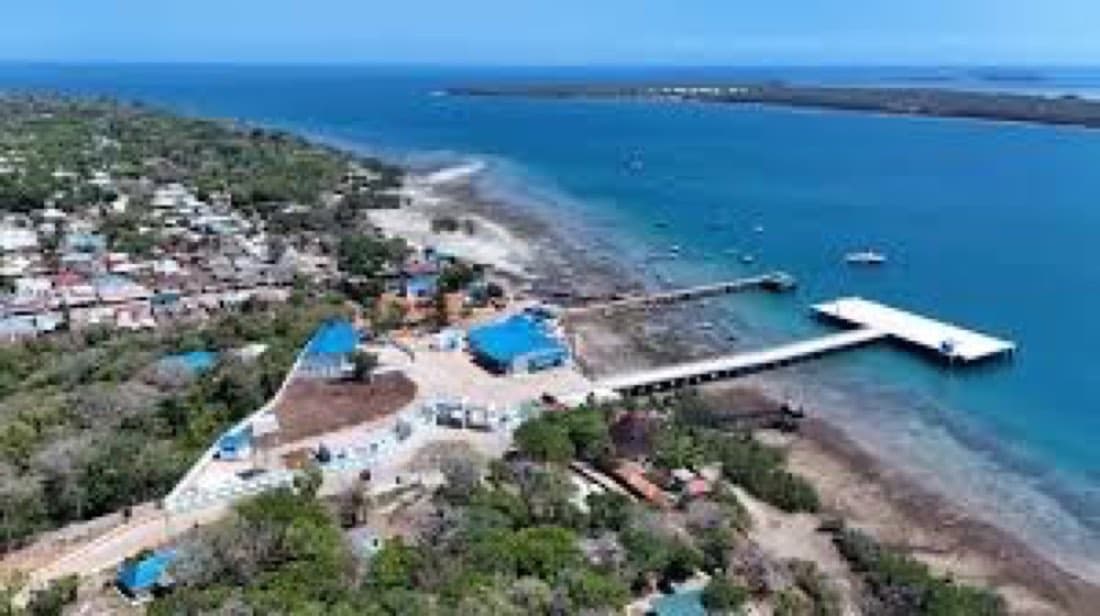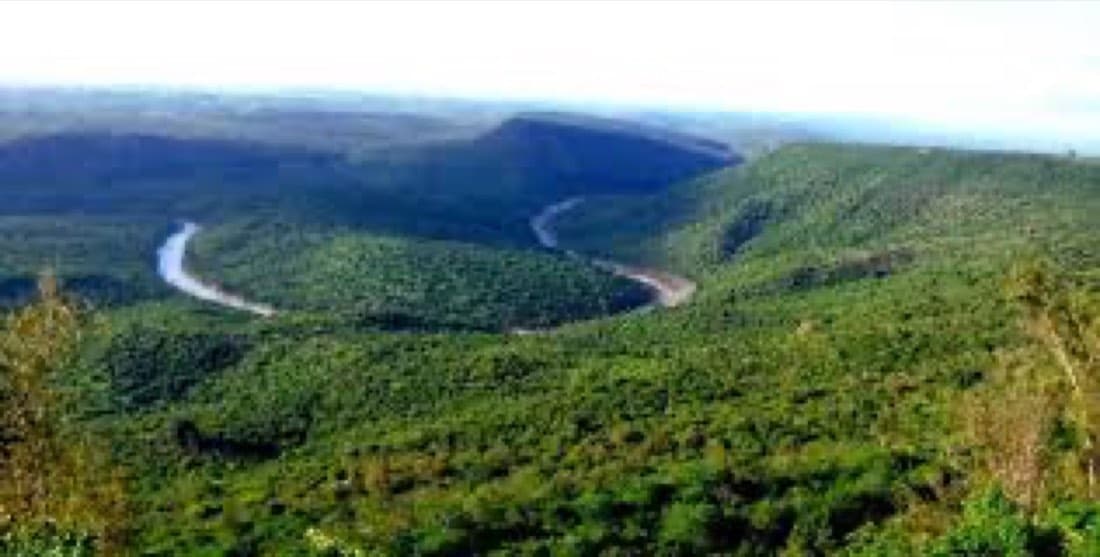


KWALE COUNTY:
This is a 2-part look into the workings of ESG within County 002 of the Jumuiya ya Kaunti za Pwani. We will be looking at the past, the present and the future of ESG in the six counties along the Coast.
PART 1: History and Frameworks of ESG
The history of Environmental, Social, and Governance (ESG) principles in Kwale County has evolved from traditional natural resource management to a formalized, policy-driven framework focused on sustainable mining, climate action, and community welfare. It is characterized by the need to balance significant industrial activity (mining and tourism) with the preservation of sensitive coastal ecosystems and the improvement of local livelihoods. As we move from the past into the present, these are the ESG pillars on which the county continues to build and focus on:
- Environmental (E): Focus on the rehabilitation of mined areas, protecting marine resources (blue economy), managing waste, and conserving forests.
- Social (S): Focus on elevating the role of women and youth in decision-making, increasing literacy rates, reducing land-related conflicts, and improving water access.
- Governance (G): Implementation of GIS-based spatial planning (2022-2032) to guide sustainable land use and the creation of a County Climate Change Fund to manage resources efficiently.
Key Historical Phases and Developments:
Pre-Devolution & Early Environmental Awareness (Before 2013):
Historically, Kwale relied on traditional conservation efforts, such as the management of Kayas (sacred forests) by the Mijikenda community, which served as early forms of environmental protection. Environmental degradation, however, increased due to charcoal production, sand harvesting, and unregulated waste disposal, particularly from tourism activities.

Sacred Mijikenda Kaya Forests: Long before modern ESG terminology, the Mijikenda people maintained “Kayas” (sacred forests) as centers of ritual power and identity. In 2008, eleven of these sites were inscribed as a UNESCO World Heritage Site, marking an early milestone in formalizing environmental and cultural “S” (Social) and “E” (Environmental) governance.
The Mining Era (2013–Present):
A major turning point for ESG in Kwale was the commencement of mining operations by Base Titanium. This initiated a heightened focus on corporate social responsibility (CSR) and environmental stewardship in the region. The mine, which became a significant employer, introduced formal sustainability reporting.
Industrial Integration: The Mining Sector – The entry of large-scale mining shifted ESG from voluntary CSR to a core operational requirement.
Base Titanium Operations: As a major employer (1,746 workers by June 2023), Base Titanium became a focal point for ESG dilemmas, balancing economic benefits with environmental rehabilitation and community welfare.
Post-Mining Land Use: In January 2026, the Kenyan government launched the country’s first Post-Mining Land Use Advisory Report in Kwale, pioneering responsible mining and land management standards.
Devolution and Strategic Planning (2013–2022):
With the introduction of the County Integrated Development Plans (CIDP 2013-2017 and 2018-2022), Kwale began embedding ESG principles into local governance, focusing on public participation in development projects.
Policy & Governance Evolution: Kwale County has increasingly codified ESG principles into its legislative framework:
Spatial & Climate Planning: The Kwale County Spatial Plan (2022-2032) and the Climate Change Action Plan (2022-2027) integrate environmental conservation and sustainable development as core pillars.
Climate Change Fund: The county established a dedicated Climate Change Fund to ensure adaptive and mitigating measures are financed and executed at the community level.
Social & Gender Inclusion: The Kwale Gender and Social Inclusion Policy 2024 was developed to address historical challenges in women’s representation and property ownership.
Environmental Stewardship & Blue Economy:
Mangrove Restoration: Recent efforts include the planting of 1.8 million mangroves in early 2026 through community forest associations, aiming to restore blue carbon ecosystems that support 70% of Kenya’s mangrove and seagrass habitats.
ESIA Mandates: New infrastructure projects, such as the Mwaepe Fish Landing Site, now require rigorous Environmental and Social Impact Assessments (ESIA) under the 2019 updated regulations.
Financial Milestones
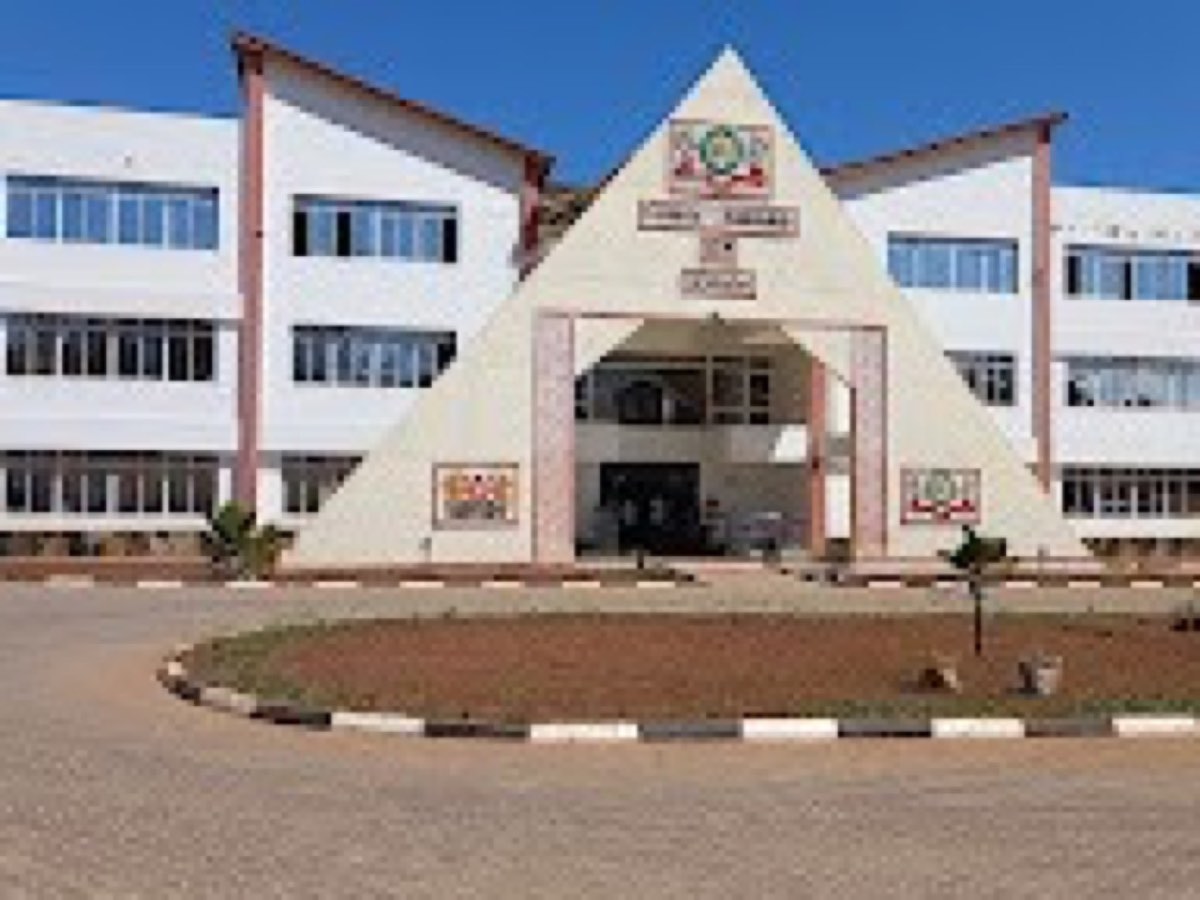
Kwale County Government – Kinango sub-county Headquarters
Launched in November 2024, this facility aims to bridge financing gaps for green projects in Kwale and other counties, matching them with private equity and development bonds.
2020s: Institutionalization of ESG: Frameworks of ESG in Kwale
In Kwale County, Environmental, Social, and Governance (ESG) frameworks are primarily shaped by a combination of national regulatory mandates and the localized operational standards of major industrial players.
National Regulatory Frameworks: Entities in Kwale must adhere to several Kenyan laws and guidelines that form the backbone of ESG compliance:
- Climate Change Act: Provides the legal framework for addressing climate change and managing carbon footprints in Kenya.
- Nairobi Securities Exchange (NSE) ESG Disclosure Manual: Provides guidance for listed companies on disclosing performance across ESG pillars.
- Central Bank of Kenya (CBK) Guidelines: Specifically the “Guidance on Climate-Related Risk Management” (2021), which affects financial institutions operating in the county.
- Companies Act 2015: Requires directors to consider the long-term impacts of business activities on the environment and community.
Localized ESG Implementation: Key projects in Kwale utilize specific ESG reporting and impact assessment standards:
Extractive Industry Standards: Major operations like Base Titanium, align with global sustainable practices to safeguard local community welfare and biodiversity, reporting on metrics like workforce diversity and community engagement.
Environmental & Social Impact Assessments (ESIA): Public and private projects, such as the proposed Kwale County Fisheries Office, , must undergo rigorous ESIA reporting to evaluate localized environmental risks before construction.
IFC Performance Standards: Some developments in the region follow the International Finance Corporation (IFC) EDGE standards, focusing on water and energy efficiency in built environments.
Common Reporting Benchmarks: Organizations in the region often adopt international frameworks to satisfy investor demands:
Task Force on Climate-related Financial Disclosures (TCFD): Used for reporting climate-related risks, particularly for projects seeking international financing.
Global Reporting Initiative (GRI): Frequently used as a practical starting point for multi-dimensional ESG reporting.
Sustainability Accounting Standards Board (SASB): Focuses on financially material ESG issues relevant to specific industries like mining and agriculture.

In a nutshell, the key drivers of ESG within Kwale County are:
Regulatory and Legal Frameworks (National & County)
- Constitution of Kenya (2010): Article 69 creates an obligation on the State and entities to protect and conserve the environment.
- Environmental Management and Coordination Act (EMCA): Governs Environmental Impact Assessments (EIAs) and Environmental Audits (EAs), critical for industries like mining and tourism in Kwale.
- Climate Change (Carbon Markets) Regulations (May 2024): These provide a structured legal framework for carbon projects, which is highly relevant to forestry and land-use initiatives in the region.
- Proposed NEMA Draft ESG Guidelines 2025: These are setting the stage for mandatory sustainability reporting.
- Mining Regulations: Specific regulations governing community engagement, rehabilitation, and environmental management for mining operators (e.g., Base Titanium).
Sector-Specific ESG Frameworks in Kwale
- Mining & Extractive (e.g. Base Titanium): Focuses heavily on the Environmental pillar (rehabilitation of mined land, water conservation) and the Social pillar (local employment, community development projects).
- Marine & Fisheries (KEMFSED Project): The Kenya Marine Fisheries Socioeconomic Development Project in Msambweni uses a framework that integrates environmental management with local, community-driven economic development.
- Tourism & Agriculture: Focus on biodiversity protection and sustainable natural resource usage.
Reporting Frameworks Applied in the Region
While many frameworks are voluntary, companies operating in Kwale often adopt international standards, including:
- Global Reporting Initiative (GRI): Frequently used for broad sustainability reporting.
- IFC Performance Standards: Used in project financing for mining and infrastructure to manage environmental and social risks.
- Task Force on Climate-related Financial Disclosures (TCFD): Used by larger entities to disclose climate-related risks.
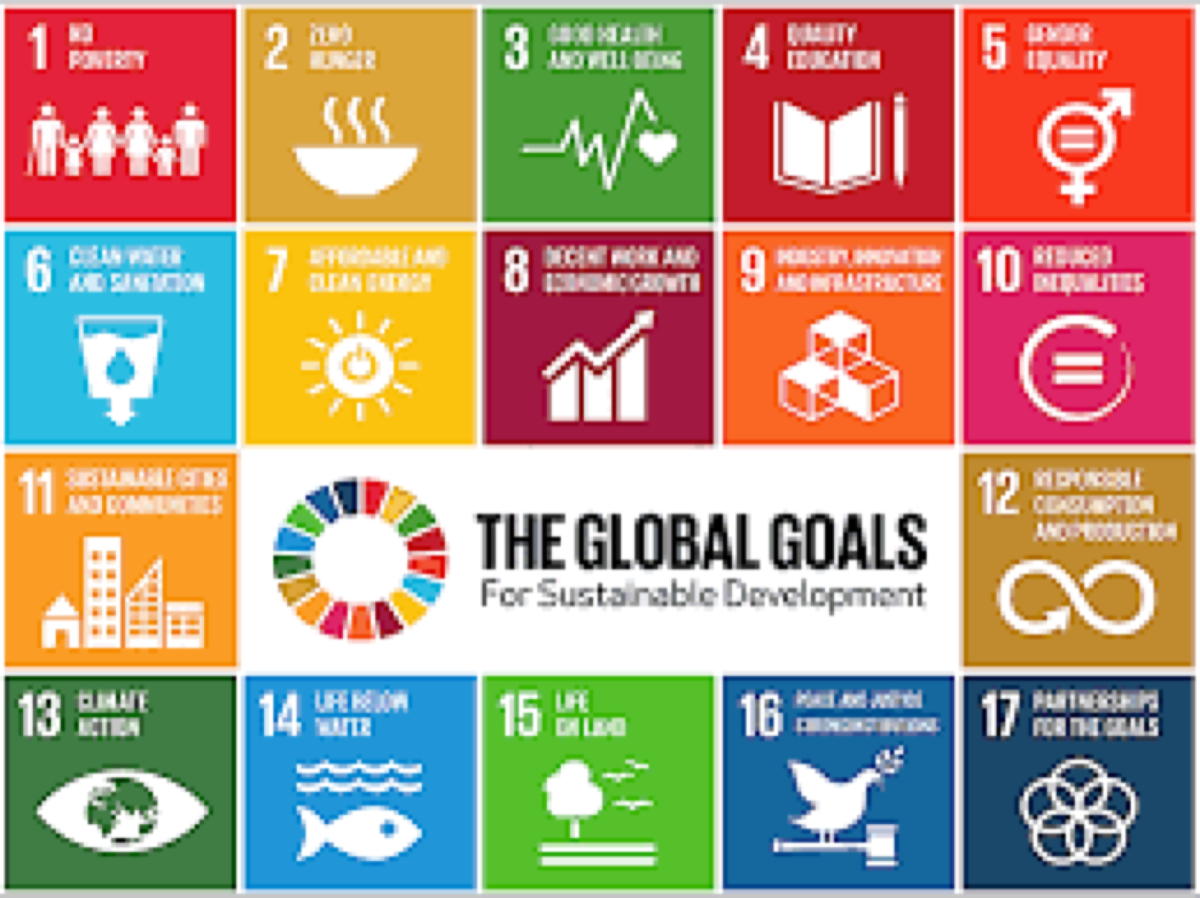
Key ESG Issues Addressed in Kwale County:
Environmental: Biodiversity conservation, waste management, water management, and rehabilitation.
Social: Community engagement, land rights, local employment, workplace safety, and management of social impacts from large-scale projects.
Governance: Compliance with local regulations, ethical conduct, and transparency in community investments.
Join us next time as we take a look into the challenges, gaps and the future of ESG in County 002 of the Jumuiya ya Kaunti za Pwani.