

Fireside Chats with the Legal Gal – A 2026 mid year review: Part 3
THE WOMEN OF THE OCEAN ECONOMY
The Invisible Workforce Becoming Visible
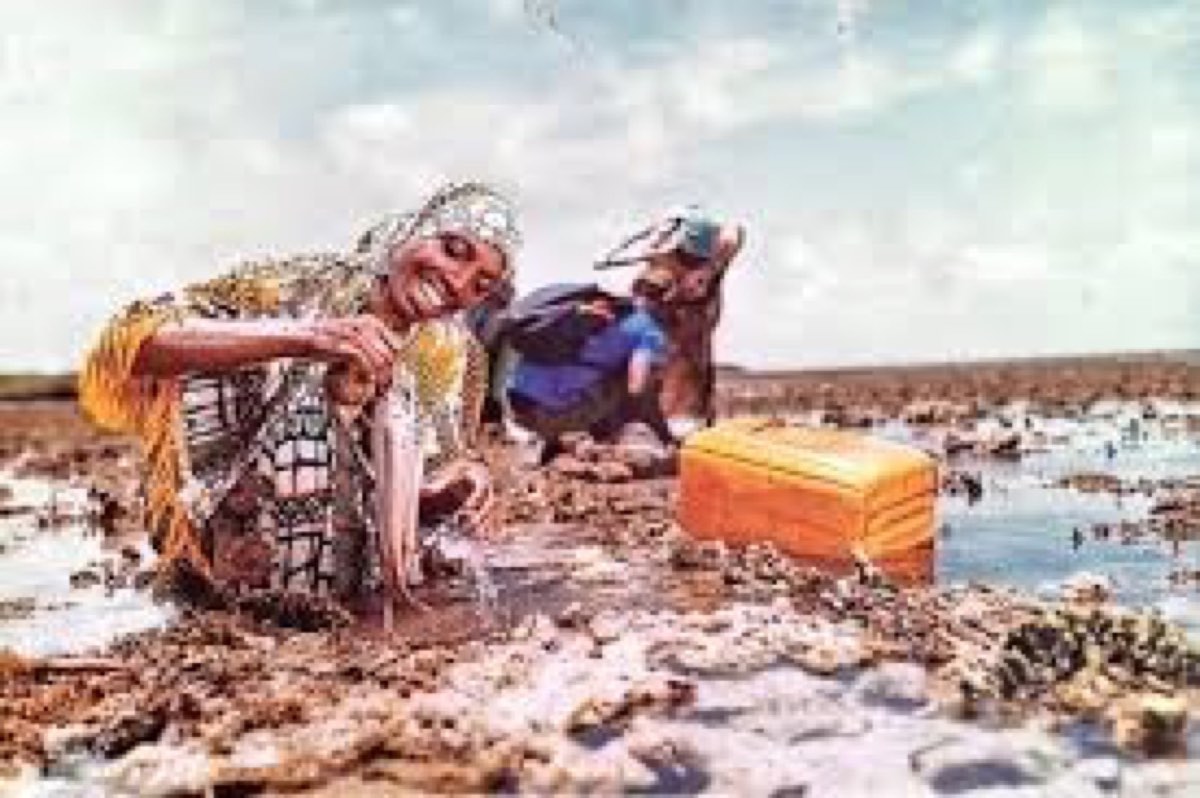
Walk through almost any fish landing site in Kwale County and a familiar pattern emerges. Boats may bring the fish ashore. But women often ensure that the value chain continues moving. They sort. They process. They preserve. They transport. They market. They manage.
Yet despite their central role within coastal economies, women have historically received less recognition than other actors operating within fisheries and marine industries. That reality is gradually changing. Across Kwale, women are increasingly being recognised not merely as participants in the blue economy but as leaders within it. The significance of their contribution extends far beyond commerce. Income generated through fish processing, trading and related enterprises often supports entire households. School fees are paid. Medical expenses are covered. Small businesses are established. Household food security improves. Community resilience strengthens.
Many development practitioners working within coastal communities note that investments targeting women frequently produce some of the most significant and far-reaching social impacts. When women gain access to economic opportunities, the benefits rarely stop with the individual. Entire families often benefit. Entire communities frequently benefit. Seaweed farming has emerged as one example of this dynamic. Along sections of the coast, women have increasingly participated in seaweed cultivation as a means of diversifying household income. The activity requires relatively modest start-up investment while creating opportunities that complement existing livelihood strategies.
Stakeholders frequently describe such initiatives as important examples of inclusive development. They demonstrate that economic growth does not always require large-scale infrastructure projects. Sometimes it begins with creating opportunities that empower people already contributing significantly to their communities. As Kwale continues positioning itself as a blue economy leader, ensuring that women remain central to planning, implementation and decision-making processes will remain essential. The story of the coast cannot be told accurately without them.
MANGROVES, MIKOKO PAMOJA AND THE FUTURE OF CLIMATE FINANCE
Few environmental success stories have captured international attention quite like the work taking place within the mangrove ecosystems of Kenya’s southern coast. At first glance, mangrove forests may appear unremarkable. Their tangled roots emerge from muddy shorelines. Their growth is slow. Their value is often overlooked. Yet these ecosystems perform some of the most important environmental functions on the planet. They protect coastlines from erosion. They provide nursery grounds for fish species. They improve water quality.
They store significant quantities of carbon. For coastal communities, healthy mangrove ecosystems are not simply environmental assets, but economic assets too. They are protective infrastructure. They are sources of resilience. This understanding lies at the heart of projects such as Mikoko Pamoja. The internationally recognised initiative has become one of the world’s leading examples of community-based blue carbon conservation. Its significance extends far beyond carbon markets. The project demonstrates how environmental protection can generate tangible community benefits. Revenue generated through conservation activities has supported local development priorities while strengthening awareness regarding ecosystem stewardship.
Perhaps most importantly, the project has helped shift perceptions. Conservation is increasingly viewed not as an obstacle to economic development but as a pathway toward it. This evolution reflects broader changes occurring throughout the coastal region. Climate change is no longer discussed solely as a future risk. Communities are experiencing its effects today; changes in rainfall patterns, coastal erosion, ecosystem degradation and shifting fisheries productivity have made climate resilience a practical necessity rather than a theoretical concept. Stakeholders working within conservation and climate adaptation frequently emphasise the importance of community ownership. Projects are most successful when local residents view themselves not merely as beneficiaries but as partners.
This principle remains one of the most valuable lessons emerging from Kwale’s conservation landscape. Sustainability cannot be imposed, it must be built collaboratively. The growing global interest in carbon finance presents both opportunities and responsibilities. While carbon markets may create new revenue streams for conservation initiatives, transparency, accountability and equitable benefit-sharing remain essential. Communities must understand how projects operate, how benefits are distributed and how decisions are made. Strong governance remains the foundation of sustainable conservation finance.

SHIMBA HILLS, CONSERVANCIES AND COMMUNITY STEWARDSHIP
When discussions turn to conservation in Kwale County, attention often focuses on wildlife. Yet modern conservation encompasses far more than protecting animals. It involves protecting ecosystems, protecting water resources, supporting livelihoods and strengthening resilience. The landscapes surrounding Shimba Hills provide a compelling example of this broader vision. Community conservancies throughout the region increasingly serve as spaces where environmental protection and economic opportunity intersect. Tourism operators, conservation practitioners, community leaders and government agencies all contribute to this evolving model.
The work is rarely simple. Balancing competing interests requires patience, dialogue and trust. Communities must see tangible benefits. Conservation actors must demonstrate accountability. Government institutions must provide enabling frameworks. When these elements align, remarkable outcomes become possible.
Community rangers have become some of the most visible symbols of this approach. Their work extends beyond wildlife monitoring. They support environmental education. They contribute to ecosystem protection. They often act as ambassadors connecting communities with conservation initiatives. Stakeholders frequently emphasise that long-term conservation success depends upon local ownership. People are more likely to protect resources when they feel connected to them. People are more likely to support conservation when they experience its benefits. This principle sits at the heart of modern ESG thinking. Environmental outcomes are strongest when social and governance considerations receive equal attention.