
Issue 05 · 23 October 2026. Legal and policy developments shaping Kwale County, and what they mean for the sectors that drive it. This newsletter tracks new, upcoming and ongoing legal and policy decisions affecting Kwale County, and what they mean economically across key sectors.
This week’s edition features analysis of respective sector statutes and policies as we dig deeper in appreciating impacts on the county.
Trade and Investment
Cashew nut processing equipment for the County Aggregation Industrial Parks — open tender
The State Department for Industry, under the Ministry of Investments, Trade and Industry, advertised an open tender for the supply, delivery, installation, commissioning, testing and training relating to cashew nut processing equipment for the Kwale County Aggregation Industrial Parks (CAIPs). Tender No. MITI/SDI/017/2026-2027 also includes two years of technical support. The tender was published on 22 September 2026, with a stated submission deadline of 30 October 2026, subject to any official revision. The tender is free of charge and requires physical submission in sealed envelopes at the designated procurement office in Nairobi. The opportunity is listed on the Public Procurement Information Portal.
Economic impact
The tender represents a practical step towards strengthening cashew processing and agricultural value addition in Kwale County. If the equipment is procured, installed and commissioned successfully, the processing facilities could enable locally produced cashew nuts to be processed into higher-value products rather than being sold predominantly in raw or minimally processed form. This could increase returns to farmers, create opportunities for processors and traders, and strengthen links between agricultural producers and industrial markets.
The project could also support employment in processing, packaging, transport, equipment maintenance and distribution. The two-year technical support component is particularly relevant to the sustainability of the investment because it may help develop local technical capacity and reduce interruptions caused by equipment failures.
Kwale County Fiscal Strategy Paper 2026: fiscal priorities and implications for trade and investment — policy analysis
The 2026 Kwale County Fiscal Strategy Paper (CFSP), prepared by the County Treasury, sets out the county government’s fiscal priorities, revenue projections, expenditure ceilings and development programmes for FY 2026/2027 and the medium term. It is prepared under section 117 of the Public Finance Management Act, 2012, and is intended to guide the preparation of the county budget in line with the County Integrated Development Plan (CIDP) 2023–2027 and the FY 2026/2027 County Annual Development Plan. The paper is guided by the county’s broader socio-economic transformation agenda and the national Bottom-Up Economic Transformation Agenda. Its five principal priorities are healthcare, economic empowerment, infrastructure development, human capital development and agricultural transformation. The county intends to pursue these priorities through increased domestic revenue mobilization, improved expenditure management, infrastructure investment, entrepreneurship support and agricultural value addition.
The CFSP is particularly relevant to Kwale because the county’s economy depends on interconnected activities including agriculture, tourism, trade, fisheries, mining and emerging industrial ventures. Its ability to fund infrastructure and economic programmes will influence the cost of doing business, the competitiveness of local enterprises and the county’s attractiveness to investors.
The policy document is dated 10 March 2026. It establishes the fiscal framework for FY 2026/2027, beginning in July 2026, and provides medium-term expenditure projections through FY 2028/2029. Its preparation is governed by section 117 of the Public Finance Management Act, 2012, which requires county treasuries to prepare the CFSP, obtain the necessary approvals and submit it to the County Assembly within the statutory budget calendar.
The CFSP is not a standalone development project with a single launch date. Its implementation takes place through annual budgets, departmental work plans, procurement, revenue administration and expenditure on approved programmes. The paper also identifies the FY 2026/2027 Annual Development Plan as the framework for identifying priority projects. Accordingly, publication of the CFSP establishes the policy direction, but does not establish that every proposed project has been funded, commenced or completed. Implementation should be assessed against the approved annual budget, actual expenditure and delivery of planned outputs.
Impact
The CFSP projects total county revenue of approximately KSh 10.137 billion for FY 2026/2027. Own-source revenue is projected at KSh 560.26 million, compared with KSh 486.04 million in the preceding year’s projection. The county intends to improve revenue collection through an upgraded automated revenue management system, recruitment and training of revenue officers, revenue mapping and reforms to tax administration. It also seeks to exceed KSh 1 billion in own-source revenue over the medium term.
These measures could strengthen the county’s capacity to finance local infrastructure and economic services without relying exclusively on transfers from the national government. More predictable revenue collection and improved administration could also reduce leakages and improve accountability.
However, the impact on businesses will depend on how the reforms are implemented. Broadening the revenue base may increase compliance costs for some traders and enterprises. A fair, transparent and predictable system is therefore important to ensure that revenue mobilization does not discourage investment or disproportionately burden small businesses. The proposed completion of the valuation roll and further revenue-raising measures will also require careful implementation. Changes affecting property rates and other county charges should be communicated clearly and administered consistently.
Trade, investment and enterprise development
The CFSP identifies the creation of a conducive environment for trade expansion and industrialization as a key county priority. It also proposes supporting youth, women and persons with disabilities through the Kwale County Biashara Revolving Fund and improving access to business capital. The development ceiling for Trade, Investment and Cooperative Development is approximately KSh 308.78 million in FY 2026/2027. This allocation provides a basis for supporting enterprise development, cooperatives and initiatives intended to expand local economic activity. Better access to business finance could help small enterprises acquire equipment, increase stock, improve services and participate in county supply chains. Support for cooperatives could also help producers aggregate goods and negotiate with larger buyers.
Roads and infrastructure
The CFSP treats infrastructure development as an enabler of economic growth. It identifies the need to accelerate investment in roads, water and other essential infrastructure to reduce the cost of doing business and improve competitiveness. The proposed FY 2026/2027 development ceiling for Roads and Public Works is approximately KSh 530.19 million. Improved roads can reduce transport costs for farmers, traders and tourism operators, improve access to markets and make it easier to move agricultural produce to aggregation and processing facilities. Better connectivity can also support rural enterprises that face difficulties accessing customers, suppliers and essential services.
Tourism
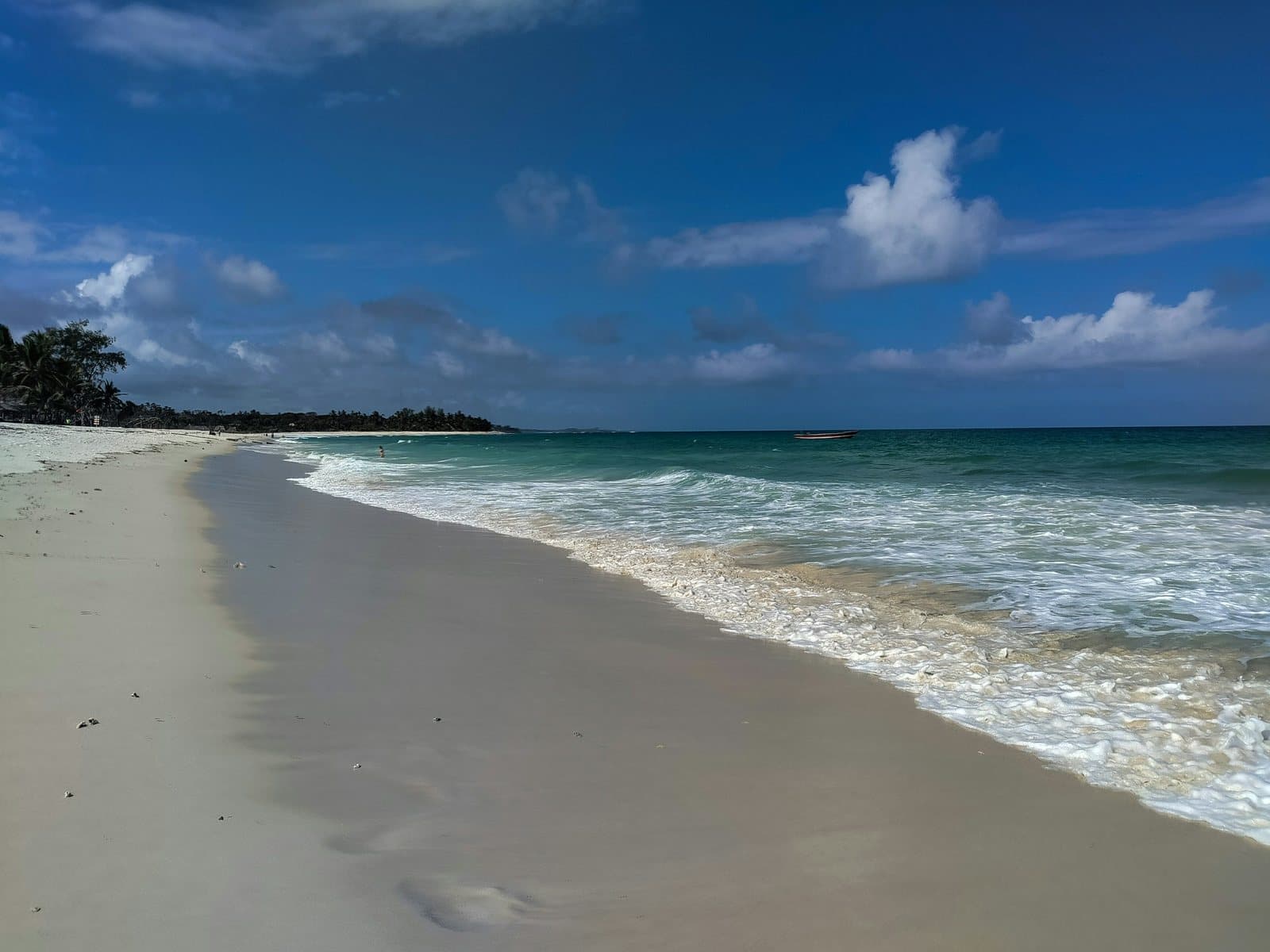
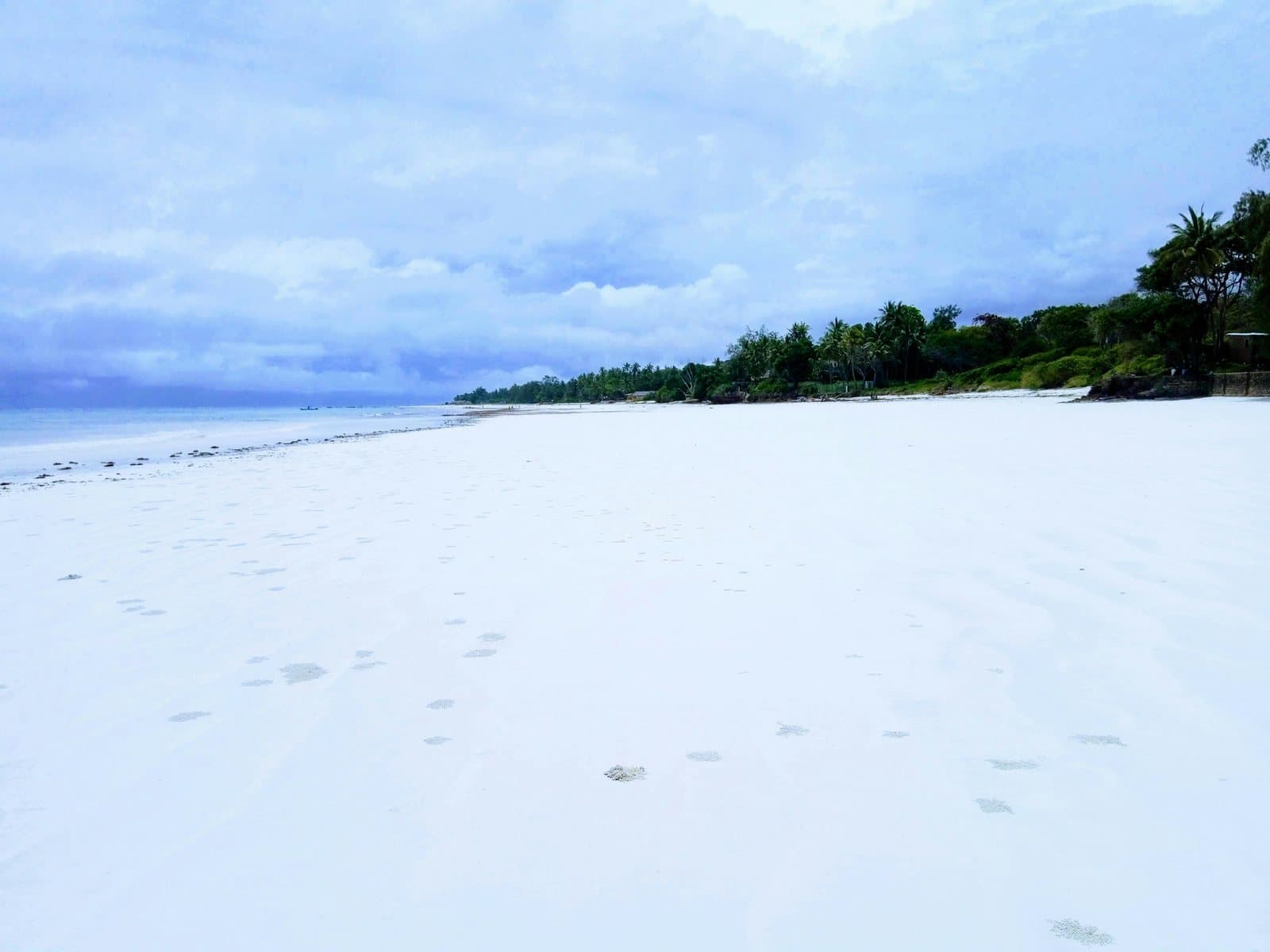
The CFSP recognizes tourism as a major contributor to Kwale’s economy, particularly through beach tourism in Diani and ecotourism associated with marine parks. It notes tourism’s links with agriculture, trade, manufacturing, transport, infrastructure and employment. The county also indicates that it will domesticate the National Tourism Policy 2025–2030 to strengthen tourism development. The proposed development ceiling for Tourism and ICT is KSh 105.4 million for FY 2026/2027.
Tourism expenditure supports accommodation providers, restaurants, transport operators, tour businesses, artisans, farmers and other small enterprises. Policies that improve tourism infrastructure, services and local enterprise participation could increase the circulation of tourism revenue within Kwale and strengthen opportunities for small businesses. However, the CFSP also identifies insecurity as a risk to tourism recovery. Criminal activity can reduce visitor confidence, weaken tourism receipts and affect connected sectors, including transport, agriculture, entertainment and trade. Climate-related pressures and wider economic uncertainty may also affect the sector.
Water, utilities and productive activity
The CFSP provides for approximately KSh 545.4 million in total funding for the water sector in FY 2026/2027, comprising KSh 116.5 million in recurrent expenditure and KSh 429 million in development expenditure. Proposed interventions include drilling boreholes, conducting hydrological surveys, testing existing boreholes and constructing medium-sized dams. Water infrastructure has direct economic significance for agriculture, livestock production, food processing, tourism and households. More reliable water supplies could improve agricultural output, support productive activities and reduce the time and cost associated with accessing water.
For enterprises, dependable water services can improve operational reliability and reduce interruptions. In agricultural areas, water infrastructure may support irrigation and help households manage periods of low rainfall. These benefits depend on the location and quality of projects, maintenance arrangements, sustainable water management and the availability of funds for completion. Planned expenditure should therefore be assessed against actual improvements in access, reliability and productive use of water.
Agriculture, fisheries and value addition
Agricultural transformation is one of the CFSP’s central priorities. The county proposes to improve agricultural productivity through micro-irrigation, farm mechanization, high-yielding seeds and seedlings, livestock interventions and support for agricultural value chains. For fisheries, the paper proposes additional fish landing sites, fishing gear, training for fisherfolk and coolers to reduce post-harvest losses. It also identifies seaweed production as an opportunity for employment and household income generation. For FY 2026/2027, the Agriculture, Rural and Urban Development sector has a proposed development ceiling of approximately KSh 820.68 million, including KSh 179.63 million for Agriculture, Livestock and Fisheries.
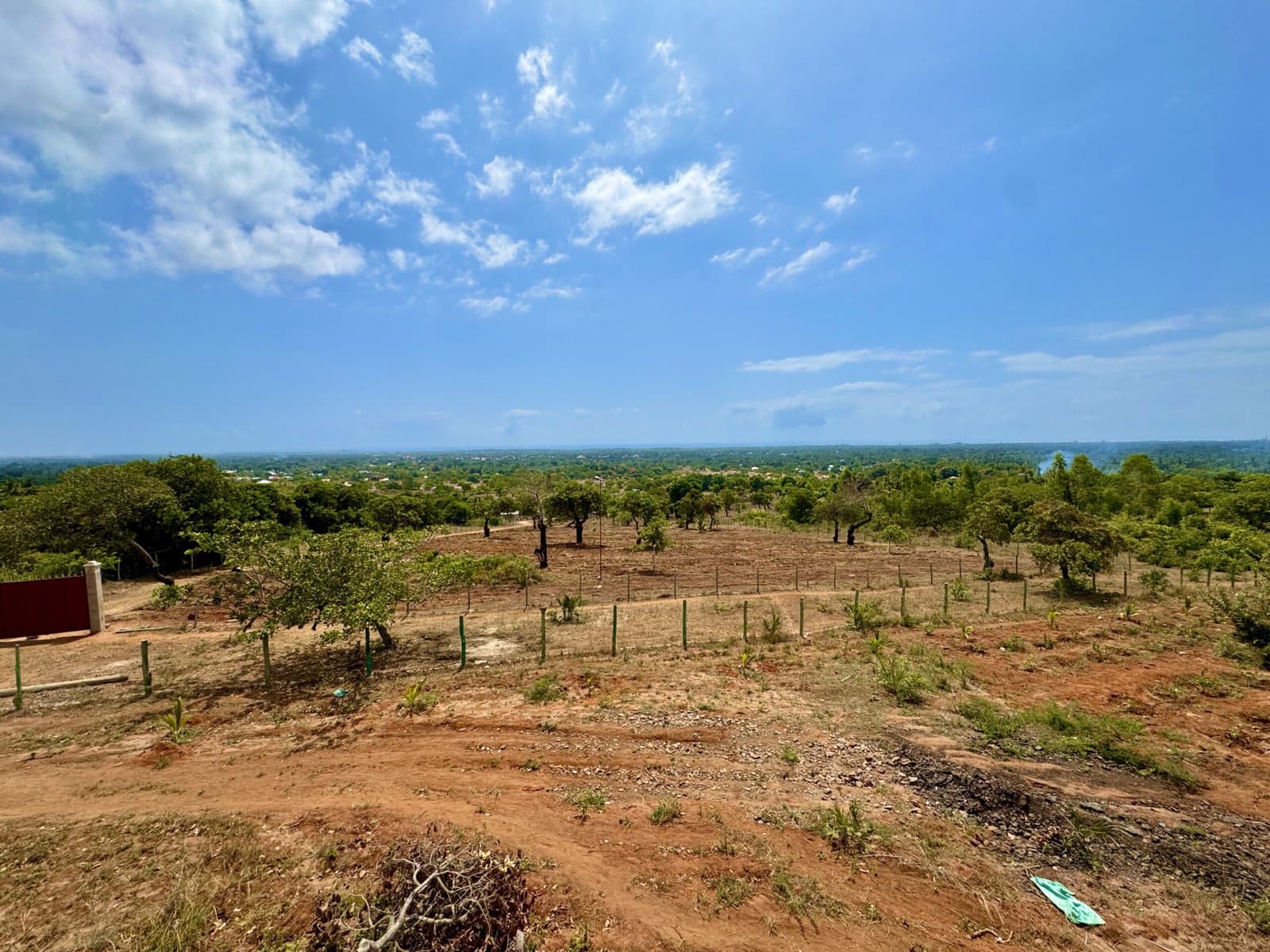
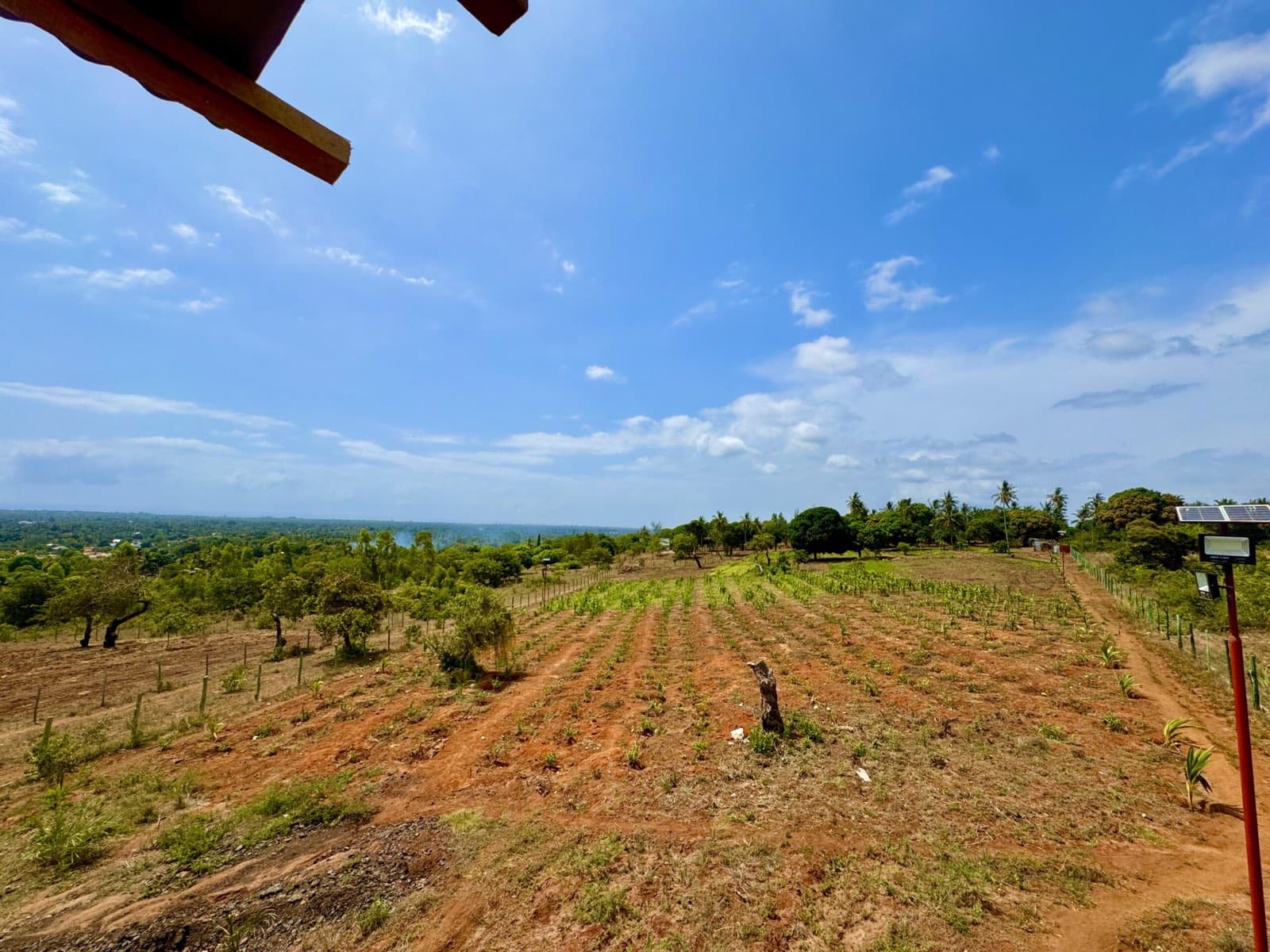
These interventions could improve productivity, increase household earnings and strengthen the supply of agricultural and fishery products to local markets and processing facilities. Better storage and reduced post-harvest losses could improve returns for small-scale producers, while irrigation and improved farming inputs could reduce vulnerability to unreliable rainfall. The economic opportunity extends beyond primary production. Processing, packaging, storage and distribution can create additional income and employment while retaining more value within the county. This is relevant to Kwale’s cashew-processing ambitions and the wider development of agricultural aggregation and industrial parks.
Ports and Maritime
Kenya Ports Authority Act (Cap. 391) — statute analysis
The Kenya Ports Authority Act (Cap. 391) is the principal legislation establishing the Kenya Ports Authority (KPA) and setting out its functions, powers and responsibilities in the development and management of Kenya’s ports. The Act empowers KPA to maintain, operate, improve and regulate ports, construct new port facilities, provide navigational services, and develop supporting infrastructure such as jetties, warehouses and access roads. Under section 8, KPA’s Board is required to promote a coordinated port system, ensure efficient and safe operations, and support the development of port facilities.
This piece of legislation is particularly relevant to Kwale County because KPA is responsible for the development and management of the Shimoni Port, a specialised fishing port located in Lunga Lunga Sub-County. The Shimoni Fish Port project, undertaken by KPA at a reported cost of KSh 2.6 billion, was completed and handed over to the Authority in 2025.
Impact
The economic significance of the Kenya Ports Authority Act for Kwale County is reflected in the development of Shimoni as a regional fishing and fish-processing centre. The port is expected to strengthen the county’s fisheries value chain by providing modern facilities for landing, preserving, processing and transporting fish. Access to cold storage and ice-making facilities can reduce post-harvest losses, improve the quality of fish products and enable local fishers to reach higher-value domestic and export markets. The development also creates opportunities for employment in port operations, fish processing, transport, storage, equipment maintenance and related commercial activities.
The port may also stimulate investment in complementary infrastructure and businesses within Shimoni and the wider Lunga Lunga area. Improved access to markets could encourage the growth of fish-trading enterprises, logistics services, processing businesses and other small and medium-sized enterprises. This could contribute to increased household incomes and strengthen Kwale’s position in the coastal Blue Economy.
However, the benefits will depend on whether local fishing communities can participate meaningfully in the port’s commercial activities. The availability of modern facilities alone does not guarantee that small-scale fishers will obtain favourable market access, employment or fair prices. In addition, an environmental assessment for the Mwaepe fish-landing-site project identifies a potential cumulative risk: improved fishing infrastructure and stronger demand for fish could increase fishing pressure and threaten marine resources if fisheries management is inadequate.
Transport
National Integrated Transport Policy (NITP) — policy analysis
The NITP is a comprehensive framework designed to harmonize rail, road, pipeline and maritime transport.
Impact
A primary objective of the NITP is the eradication of historical ‘road-dominance bias’ by fostering a seamless, multimodal logistics network. Kwale County is a critical stakeholder in this national diversification strategy across several key asset classes:
- Shimoni Port development — driven by the Kenya Ports Authority (KPA) in coordination with the Kwale County Government, this project transitions the region from informal artisanal maritime activity into a formalized commercial deep-sea hub. It focuses heavily on marine logistics, commercial industrial fishing processing, and localized cold-chain integration.
- Likoni Ferry Channel — long serving as the primary pedestrian and light vehicular link connecting Mombasa Island to Kwale County, the channel is increasingly optimized for pedestrian-heavy mass transit as commercial logistics shift to overland corridors.
- Ukunda / Diani Airport (UKA) — operating as the premier aviation gateway for the South Coast tourism hospitality network, recent runway extensions and terminal modernizations allow the facility to service daily direct commercial flights from Nairobi’s Wilson Airport, the Maasai Mara, and Amboseli, bypassing Mombasa-bound transfers.
- Madaraka Express (Standard Gauge Railway) — while primary passenger terminals sit in neighbouring Mombasa, the SGR main line traverses directly through Kwale County terrain. The county leverages this proximity by aligning local freight and industrial zoning plans with the rail corridor to capture future dry-port and logistics spillover.
Mining and Blue Economy
Mining (Mineral Royalty Sharing) Regulations 2026
Legal Notice No. 3 of 2026 · made under section 183(5) of the Mining Act, 2016 · gazetted 29 January 2026 · position as at 23 October 2026
The Regulations set out how mineral royalties are identified, collected, paid and shared between the national government, county governments and communities affected by mining. The split is 70% national, 20% county and 10% community, as provided in section 183 of the Mining Act.
The Cabinet Secretary must identify and publish the beneficiary communities within 30 days of issuing a mining licence, and community funds are to be used for projects the community identifies. The Regulations also set up a community mineral royalty management committee to approve work plans and budgets, and provide for offences, penalties and dispute resolution.
Latest updates
11 August 2026: the Treasury released about KSh 2.9 billion in long-delayed royalties held since 2016, due to 32 counties. Kwale is reported as the largest beneficiary at more than KSh 1.38 billion. The funds are described as unlocked, and receipt in county accounts has not been confirmed. Host communities and some MPs still say the 10% community share is too small and should be paid directly.
21 October 2026: the RareX–Iluka consortium submitted its technical and financial proposal for Mrima Hill in response to the Request for Proposals. The proposal covers social licence, protection of community and cultural heritage, local value chains and mine closure. There is no award date or reported government response. The tender was gazetted on 24 March 2026 and a shortlisting notice is dated 22 July 2026.
Impact
County revenue. Kwale received KSh 1,166,507,886 as its 20% share for FY 2025/26. The county’s allocation list puts KSh 700 million into six tarmac roads, KSh 124 million into the Mwabungo Polytechnic centre of excellence, KSh 55 million into two dams and the balance into hospital projects, mainly at Msambweni, Kinango, Kwale, Lunga Lunga, Samburu and Mkongani. Separately, the 11 August 2026 release of long-delayed royalties names Kwale as the largest beneficiary, at more than KSh 1.38 billion; however, receipt in the county account has not been confirmed.
Life after Base Titanium. Mining at the Kwale mine ended in December 2024, and future royalties depend on new projects. The Mrima Hill tender is the largest.
Host communities. Communities near Mrima Hill would be named only after a licence is issued, when the 30-day publication rule begins.
Lands, Public Works, Housing and Urban Development
The Physical and Land Use Planning Act, No. 13 of 2019 — statute analysis
This statute, which commenced on 5 August 2019, establishes the legal framework for physical and land-use planning and development control in Kenya. It provides for the preparation of development plans, regulation of development and coordination of land use by national and county governments.
Section 52(1) empowers a county government to declare a Special Planning Area where the area’s development potential, environmental sensitivity or planning challenges warrant specific planning measures. Section 58 provides the framework for obtaining development permission from the relevant county government before undertaking development.
Impact
Implementation of this statute is Kwale County’s declaration of Vanga Centre as a Special Planning Area through a Gazette Notice dated 10 July 2026. The designated area covers approximately 2.88 square kilometres, and the county is preparing the Vanga Town Special Area Physical and Land Use Development Plan for 2026–2036. The initiative is intended to guide development, infrastructure provision and environmental management in the area. The notice also restricts new development within the designated area unless otherwise guided by the county’s planning authority, while preserving permissions lawfully obtained before the notice.
This measure has direct implications for landowners, developers and residents in Vanga. Development proposals must take account of the applicable planning controls, while the preparation of a comprehensive plan provides an opportunity to coordinate settlement patterns, infrastructure and environmental considerations. The process may also affect the timing of proposed developments within the designated boundaries.
More broadly, the Act provides Kwale County with a legal framework for managing urban expansion and coordinating competing land uses. Effective implementation requires clear communication of planning restrictions, meaningful public participation and timely preparation of development plans. The Vanga example demonstrates how the Act can be applied to a specific local planning challenge; however, the long-term results will depend on the implementation and enforcement of the final plan.
Agriculture and Livestock
The Kenya Climate Smart Agriculture Strategy 2017–2026
The Kenya Climate Smart Agriculture Strategy (KCSAS) 2017–2026 was formulated by the Ministry of Agriculture, Livestock and Fisheries to address the compounding threats of climate variability, land degradation, and declining agricultural productivity across Kenya. Its primary objective is to transform the country’s agricultural sector into a climate-resilient, low-carbon, high-productivity engine that ensures national food and nutrition security while promoting sustainable socio-economic development.
Kwale County represents a critical snapshot of the opportunities and vulnerabilities associated with climate-smart agriculture (CSA). Characterized by recurrent droughts, erratic rainfall, and coastal ecological degradation, Kwale’s agricultural sector is extremely vulnerable to climate shocks. Through the devolution framework established by the 2010 Constitution of Kenya, Kwale County has integrated KCSAS strategic pillars into its local governance via County Integrated Development Plans (CIDP II 2018–2022 and CIDP III 2023–2027) and the Kwale County Climate Change Action Plan (KCCCAP 2023–2027).
Impact
To mitigate frequent maize crop failure, Kwale County promoted climate-resilient crop value chains — specifically green grams, cowpeas, sorghum, cassava, and drought-tolerant certified maize hybrids. The county achieved nearly 94% of its target acreage under strategic food crop reserves (18,738 acres achieved against a target of 20,000 acres). Seed distribution programmes were paired with training on conservation agriculture (minimum tillage, mulching, and crop rotation).
Water scarcity is the primary constraint to agricultural productivity in Kwale’s hinterlands. Interventions prioritized community water harvesting infrastructure:
- Earth dams and water pans — construction and rehabilitation of over 150 earth dams and water pans (for example, the Nyalani Dam rehabilitation) providing water for livestock and smallholder micro-irrigation.
- Solar-powered irrigation — deployment of solar-powered borehole pump systems and drip irrigation kits for smallholder horticulture (tomatoes, vegetables, watermelon), drastically reducing operational fuel costs for farmers.
In Kinango and Samburu sub-counties, interventions focused on pastoralist resilience:
- Breeding programmes — introduction of Sahiwal and Boran cattle breeds, alongside Galla goats, which exhibit superior heat tolerance, disease resistance, and higher milk and meat yields compared to local zebu breeds.
- Fodder and pasture management — establishment of community pasture reserves, hay storage sheds, and promotion of drought-resilient fodder crops (Brachiaria grass, Napier grass).
- Disease control — vaccination campaigns and construction of automated livestock dipping infrastructure to control vector-borne diseases expanding due to temperature rises.
Environment and Forestry
Forest Conservation and Management Act, 2016
The Forest Conservation and Management Act, 2016 sets the framework for protecting forests while allowing communities to benefit from them.
Impact
The Act lists Mrima, Shimba and Mkongani (North and West) as gazetted public forests. They fall under the Kenya Forest Service, while Kwale County has its own duties — including promoting tree planting, supporting community forestry and reporting on implementation.
Community Forest Associations can enter management agreements that support activities such as ecotourism, honey production and grazing, while also protecting sacred sites. Kwale’s Gazi and Vanga mangrove projects show how community-led forest initiatives can create local benefits. Mikoko Pamoja in Gazi Bay, for example, has channelled carbon income into school resources and clean water.
On our watch list
The 2026 amendment allows the Kenya Forest Service to grant easements and wayleaves through gazetted forests. The Green Belt Movement and Just Act have challenged the amendment, arguing that it raises concerns about public participation and oversight. The court’s determination will be important. At Mrima, the Act’s safeguards on changing forest boundaries and quarrying near sacred groves may also be relevant, although their application to mining questions will depend on the law and the court’s interpretation.
Questions on any of this week’s developments?
Speak to your MMS Advocates relationship partner, or contact the firm at info@mmsadvocates.co.ke or +254 (0) 748 998 904.
This publication reflects the law and publicly available sources as at the date of publication, which may change and have not been independently verified. Views on policy are the authors’ own. © 2026 MMS Advocates. This publication may be shared in full with attribution, but not altered.