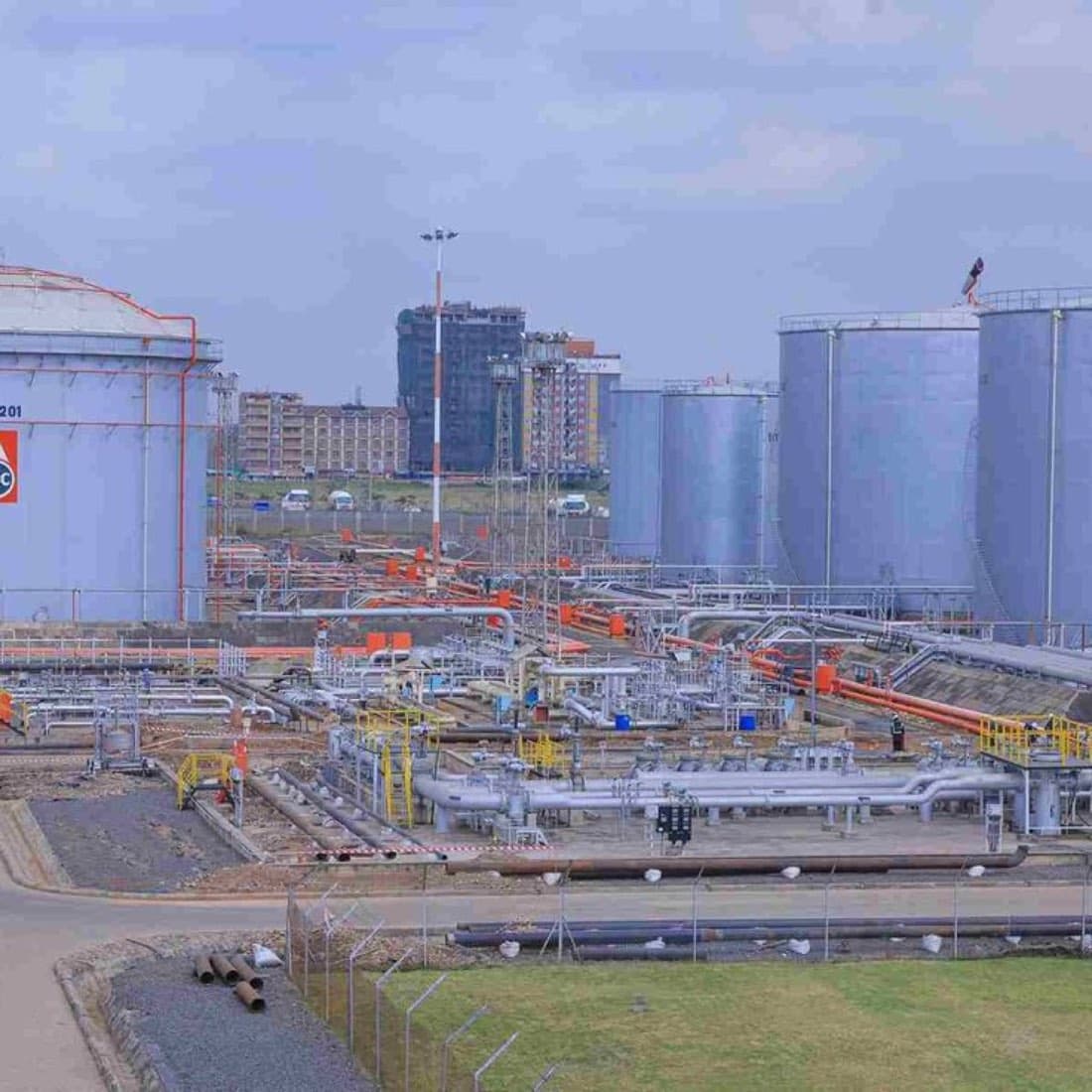
The groundbreaking of the Dangote East Africa Petroleum Refinery and Petrochemicals project in Lamu on 30th September 2026 marked an ambitious attempt to reposition Kenya, and potentially East Africa, as a centre for refining, petrochemicals and heavy industry. At an estimated US$16 billion, the project would rank among the largest private investments in Kenya’s history and could materially alter the economic significance of Lamu Port and the wider LAPSSET Corridor.
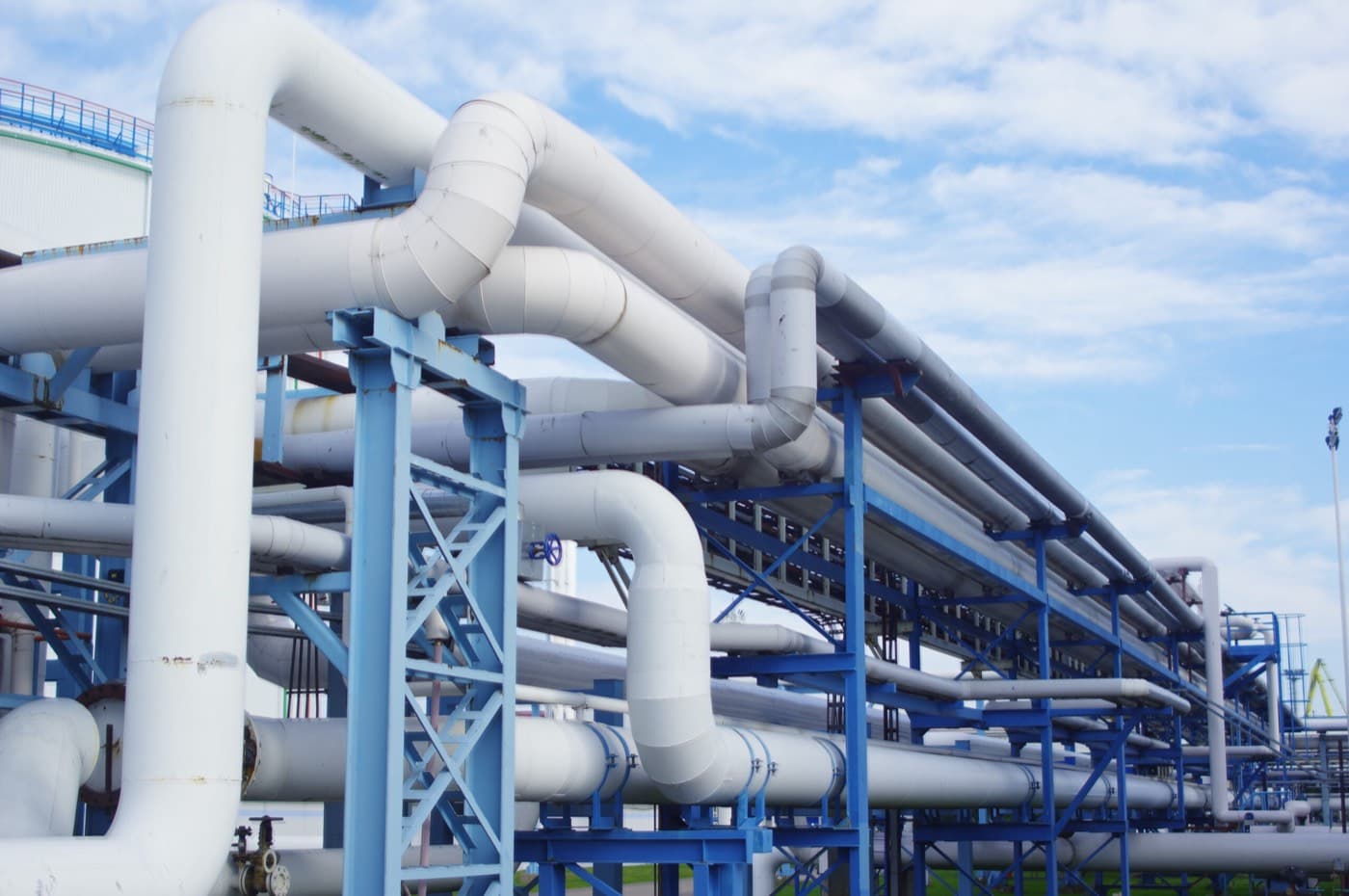
The refinery is designed to process about 700,000 barrels of crude per day, with commissioning targeted within roughly 40 months, or around 2030. The complex is expected to extend beyond conventional refining into petrochemicals, including polypropylene and base oils, alongside power generation, storage, pipelines and marine infrastructure. Honeywell Technologies will provide technology, licensing and engineering services, while Engineers India Limited has been engaged on project engineering and management.
A refinery need not sit in a major crude-producing country. Dangote has cited Lamu’s deep-water access and its capacity to receive large crude carriers as decisive factors. Kenya’s own output will cover only a sliver of demand: current projections put South Lokichar production at about 50,000 barrels per day from 2032. The refinery will therefore depend heavily on imported crude, potentially from Uganda, South Sudan, other African producers and international markets.
Seaborne supply offers flexibility and avoids dependence on a single source, however, a facility of this size needs sustained access to competitively priced crude, reliable marine infrastructure and efficient logistics over several decades. Its commercial success will turn less on installed capacity than on whether sufficient crude can be procured and delivered at viable cost. Recent reporting has identified supply as one of the project’s principal challenges.
Kenya relies heavily on imported refined products, leaving consumers exposed to global prices, freight costs and shipping disruptions. A refinery at Lamu could offer a closer source of petrol, diesel and aviation fuel for Kenya and its neighbours. Regional governments have reportedly been offered an aggregate 30 percent equity stake, and Kenya, Ethiopia and Rwanda have expressed interest.
The ambition extends past fuel. The complex is meant to anchor an ecosystem spanning petrochemicals, fertiliser, manufacturing and logistics. Dangote has announced a training school in Lamu, including a programme for 1,000 local people, and the Government expects substantial employment and economic activity. For a county that has long remained economically peripheral despite its strategic location, these are potentially important gains.
The project could also give Lamu Port its first major anchor client. The arrival of almost 2,930 tonnes of heavy construction equipment on 26th September , 2026 offered an early glimpse of that relationship. At scale, demand for vessel handling, petroleum logistics, storage, engineering and inland transport could lift activity along the LAPSSET Corridor considerably.
Yet the project’s greatest test may lie in how Kenya handles the difficult questions around implementation. The refinery is advancing amid an unresolved land dispute. On 25th September, 2026 the Malindi Environment and Land Court ordered that the status quo be maintained over LR No. 13061 in the Hindi/Manda Magogoni area pending an inter partes hearing on 14th October, 2026. The case was brought by 133 residents who claim interests in the land and allege inadequate compensation and resettlement arrangements. The court did not halt the groundbreaking, which proceeded as planned, but the litigation remains material to implementation.
The environmental and community concerns are equally weighty. Lamu’s coastal economy rests on fishing, tourism and marine ecosystems, and Lamu Old Town is a UNESCO World Heritage Site. Environmental organisations have warned of risks to mangroves, coral reefs, seagrass beds, marine life and coastal livelihoods. A compelling economic case does not make these concerns dispensable.
Land acquisition, compensation, public participation and environmental assessment must therefore be treated as substantive requirements, not procedural hurdles to be cleared after construction begins. The history of major infrastructure in Lamu makes this especially pressing. A project of this magnitude needs a social licence to operate as much as it needs capital, technology and crude.
The groundbreaking marks the start of a demanding implementation phase, not the confirmation of a foregone transformation. Lamu has the geography and port infrastructure to become a major regional energy and industrial hub. Whether it does will depend on reliable crude supply, financing, infrastructure, regulatory compliance and, above all, the ability of the State and the project sponsors to resolve legitimate land and environmental concerns.