
A Case Study on Mrima Hills with Legal Gal
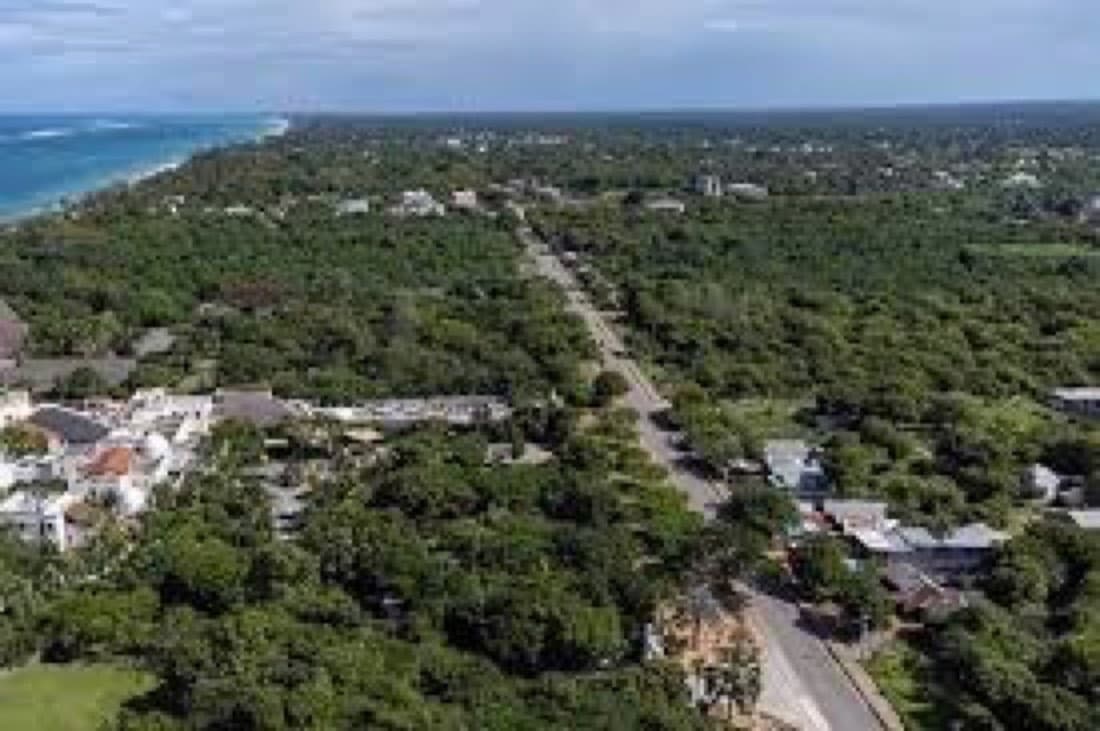
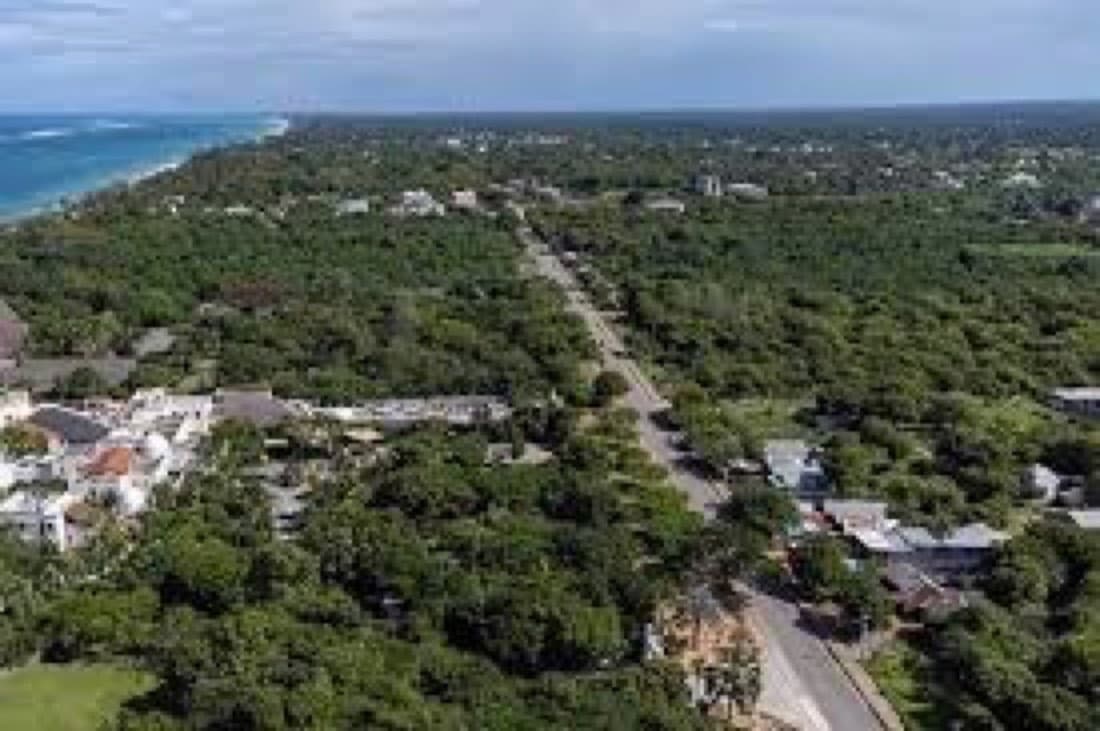
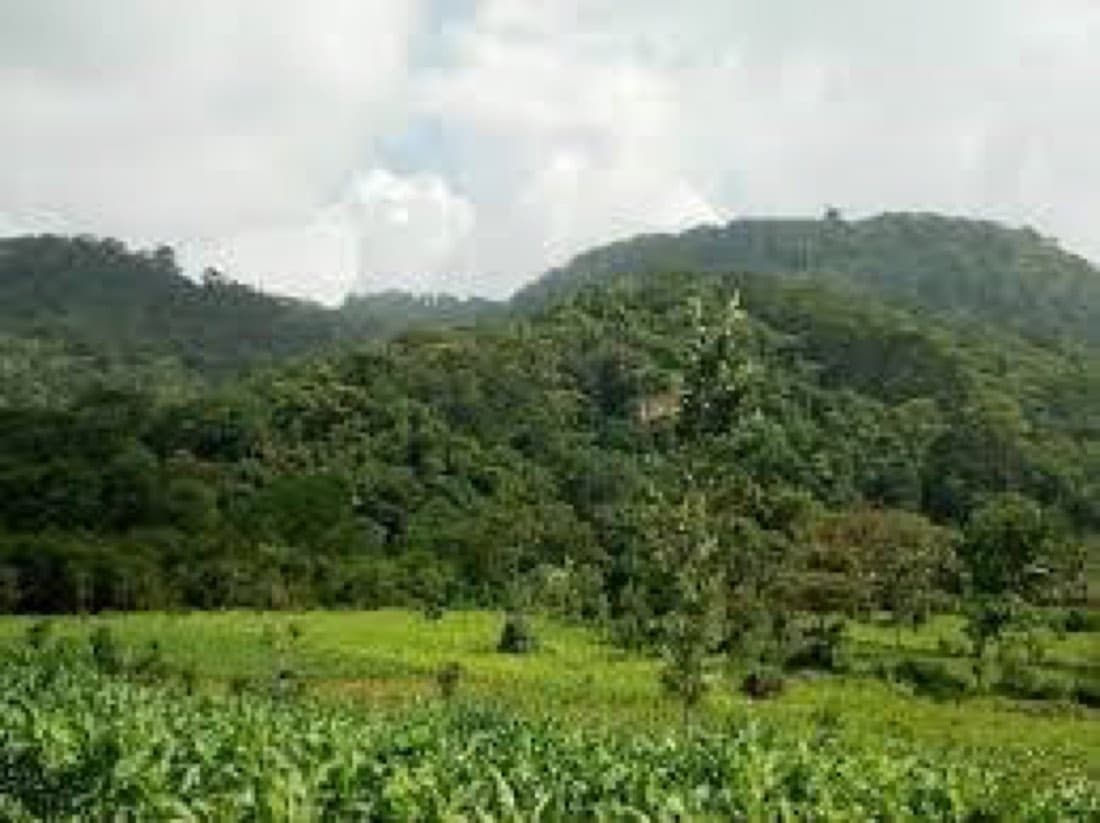
If you have ever driven along the South Coast, past the cashew trees and the red-earth roads of Kwale County; you may have caught a glimpse of Mrima Hill rising quietly in the distance. To those who grew up nearby, it is a familiar landmark, a place of cool shade, of sacred rituals, of ancestral memory. But to the rest of the world, it has become something else entirely: one of the most coveted pieces of land on the African continent.
Beneath the soil of Mrima Hill lies a deposit estimated to be worth over USD $62 billion (approximately Kshs 8.1 trillion) in rare earth elements and niobium. To put that in perspective, that is more than Kenya’s entire national budget for several years, buried in the red earth of a single hill in Kwale. The minerals found here – niobium, lanthanum, cerium, thorium, and manganese, among others – are the raw materials that power the modern world. They go into electric vehicles, smartphones, clean energy systems, and advanced military equipment. Whoever controls the supply of these minerals holds significant leverage in the 21st century global economy.
It is no surprise, then, that both the United States and China have been eyeing Mrima Hills as part of their race to secure critical mineral supply chains. Kenya finds itself at the table of a very high-stakes conversation; how we handle it will define not just Kwale’s future, but the kind of nation Kenya chooses to be.
After years of controversy – including a deeply troubling episode in which a mining license for the site was granted to a Canadian firm under terms widely criticized as a giveaway of national resources – the Kenyan government opened a fresh, competitive Expression of Interest (EOI) process in March 2026. This time, the approach is different: transparent, structured, and publicly announced. It is a second chance, and it must be handled better than the first.
Who Gets the Money? Understanding the Revenue Deal
One of the first questions any community asks when someone comes to mine their land is simple: what do we get out of it? It is a fair question, and the current framework at least attempts an answer.
Under the government’s proposed revenue-sharing formula, royalties from Mrima Hills will be split as follows: 80% goes to the national government, 15% to Kwale County, and 5% directly to the local community. On paper, this means that for every Kshs. 100 earned from the ground beneath people’s feet, Kshs 5 finds its way back to the people who have lived there for generations. Whether that figure is adequate is a conversation worth having; and it is one that community members and their representatives must actively drive.
Beyond royalties, the Ministry of Mining has made a firm policy commitment: all minerals extracted from Mrima Hills must be processed locally before they can leave Kenya. This is not a small thing. For decades, Africa has watched its raw materials – copper, gold, coltan, rare earths – shipped overseas in their unrefined form, with the manufacturing jobs, the skills, and the value-addition all happening somewhere else. The government’s insistence on local processing is an attempt to break that cycle. If enforced, it means factories, it means technicians, it means skilled jobs for Kwale County residents, not just low-wage labor during the mining phase.
The word if carries a great deal of weight in that sentence. Kenya has made similar commitments before. The test will be whether they are written into binding license conditions and enforced when investor pressure pushes back against them.
The Heart of the Matter: The Mijikenda and Their Kayas
A People, a Forest, and a Covenant
Before we talk about minerals and licenses and royalties, we need to talk about people. Specifically, we need to talk about the nine Mijikenda tribes – the Giriama, Digo, Duruma, Rabai, Kauma, Ribe, Jibana, Kambe, and Chonyi – who have called this coastline home for centuries.
The story of the Mijikenda begins with a journey. Driven from their homes in what is now southern Somalia by hostile forces around the 16th century, they migrated south and sought refuge in the dense coastal forests of what is today Kwale and Kilifi counties. Within those forests, they built fortified settlements; hilltop villages enclosed by trees so thick they served as natural walls. They called these places Kayas.
Over generations, as the communities grew and dispersed outward, the original Kaya settlements were gradually abandoned as permanent residences. But they were never forgotten. In fact, they became something more: sacred ground. The graves of the ancestors lay within. The shrines of the spirits stood there. The secret medicines known only to the elders grew in the undergrowth. The Kaya became the spiritual and cultural heartbeat of Mijikenda identity; a place where the living still went to speak to those who had passed, to seek guidance, healing, and communal resolution.
The Elders Who Hold the Keys
Each Kaya is governed by a council of elders known as the Kambi. These are not merely old men with ceremonial roles. They are the custodians of law, memory, and spiritual authority. Historically, it was within the Kaya that the Kambi settled land disputes, blessed harvests, conducted rites of passage for young people, and prayed for rain during droughts. Their authority is both sacred and practical, and among the Mijikenda, it commands deep respect.
At the centre of each Kaya’s spiritual identity is a buried talisman called the fingo– a protective charm that represents the community’s soul, its continuity, its covenant with the land. Only the elders know where the fingo rests. Only they can perform the rituals that maintain its protective power. To destroy the Kaya would not merely be to cut down trees. It would be to sever a living community from its ancestors, its identity, and its sense of self.
This is not metaphor. It is lived reality. And in the context of Mrima Hills, the Kaya elders have made their position clear: there are parts of this hill that are not for sale, not for mining, and not for negotiation. They have formally demanded that a dedicated sacred exclusion zone be established at the top of Mrima Hill, where the most significant shrines are located, ensuring that healers, practitioners, and community members can always enter, pray, collect medicines, and honor their dead.
What the World Has Said About the Kayas
The international community has not been silent on the significance of these forests. In 2008, eleven Mijikenda Kaya forests were collectively inscribed as a UNESCO World Heritage Site, recognized under criteria that acknowledge their outstanding cultural, spiritual, and community conservation value. The Mijikenda traditions tied to the Kayas are also listed under UNESCO’s Intangible Cultural Heritage in Need of Urgent Safeguarding– a designation that signals to the world that these practices are at risk of disappearing and must be actively protected.
Closer to home, Kaya Mrima, the forest that crowns Mrima Hill, has been gazetted by the Kenyan government as both a Nature Reserve and a National Monument. This ‘double-gazetted’ status is significant. It means that any investor who wants to operate at Mrima Hills must simultaneously satisfy the environmental regulator, the heritage regulator, and the community itself. No single approval is enough.
Despite all of this, the threats have not stopped. Illegal logging, land grabbing, and the pressure of large infrastructure projects have eroded Kaya forests across the coast. More chillingly, a sustained and documented pattern of elder killings has taken hold across Kwale and Kilifi counties; and the Kaya elders are among the most exposed. The mechanism is telling: family members, and sometimes hired gangs, accuse elderly men of witchcraft as a pretext to have them killed, so that ancestral land can be seized and sold. It is land greed dressed in cultural costume. At least four elders from Kaya Kauma alone were murdered between 2015 and 2018, according to investigative reporting by Mongabay. Across Kilifi County, the Haki Yetu Organisation has documented at least 89 elder murders between 2023 and 2025 alone, with land disputes confirmed as the primary driver in the overwhelming majority of cases. A report by Haki Africa found 41 killed in 2016 and 37 in 2017 in Kilifi and Kwale combined. The then-Interior Cabinet Secretary Fred Matiang’i acknowledged in 2019 that the killings were chronic and land-driven. Kaya elders are targeted precisely because they are the cultural and legal guardians of community land; the very people whose authority stands between ancestral forests and those who would take them. These are not isolated tragedies. They are a pattern of targeted violence against land rights defenders, and they demand that any legal framework protecting community rights be backed by genuine enforcement; not paper promises.
The Right to Say Yes – or No
There is a principle in international law that communities affected by resource extraction have the right to give, or withhold, their Free, Prior, and Informed Consent (FPIC). This standard, enshrined in the UN Declaration on the Rights of Indigenous Peoples (UNDRIP), which Kenya has endorsed, is not a courtesy. It is a right. It means that before a single drill goes into the ground at Mrima Hills, the Mijikenda community must have been genuinely consulted – not presented with a fait accompli, not handed a briefing after decisions have already been made, but meaningfully included in the process from the start.
The proposed framework for Mrima Hills includes ongoing community-led monitoring of air, soil, and water quality throughout any mining operation. This is a good start. But FPIC goes further; it requires that communities have real power to shape decisions, not just observe them. That distinction matters enormously.
What the Law Says — And What It Means for You
Kenya actually has a reasonably strong set of laws to protect communities in situations like this. The challenge, as always, is knowing about them and insisting they are applied. Here is a plain-language overview of the frameworks that matter most.
The Constitution of Kenya, 2010
Our Constitution does not leave natural resources to chance. Article 60 establishes that land must be held, used, and managed in a way that is equitable, efficient, productive, and sustainable. Article 62(1)(f) makes clear that all minerals belong to the Republic – not to any company, not to any individual, but to all of us, held in trust by the national government. Article 66(2) requires Parliament to ensure that any investment in land or natural resources actually benefits the local communities affected. And Articles 69 and 71 oblige the State to manage natural resources sustainably, and to ensure that any major natural resource agreement is ratified by Parliament; meaning our elected representatives must approve the deal, in public.
The Mining Act, No. 12 of 2016
The Mining Act is the engine of Kenya’s mining regulation. Under this law, all minerals in Kenya, regardless of where they sit, whether on private or community or government land, belong to the Republic. A company can only extract them under a valid license, subject to conditions the government sets.
For communities specifically, some of the most important provisions include:
- Section 38: No mining license can be granted on community land without going through specific consultative processes. This is not optional; it is a legal requirement.
- Section 40: If land must be acquired for mining, the law sets out how that must happen and what compensation is owed.
- Sections 46 & 47: Companies are legally required to employ and train Kenyan citizens, with specific preference given to people from the local community.
- Section 99: Communities and landowners must be fairly compensated for any interference with their land and surface rights.
- Community Development Agreements (CDAs): Large-scale mining license holders are legally required to enter into a binding CDA with the affected community, covering employment, social investment, and benefit-sharing. This is not optional, and it is enforceable.
The Act also specifically requires that the Kenya Forest Service Director be consulted before any license is granted near a gazetted forest, which applies directly to Mrima Hill.
The Community Land Act, No. 27 of 2016
This law is one of the most powerful tools available to the Mijikenda community, and it is one that too few people know about. The Community Land Act gives communities the legal right to formally register their ancestral lands as collective community property. Once registered, that land cannot be taken, sold, leased, or subjected to resource extraction without the community’s consent, expressed through its own elected management structures.
For the Mijikenda of Kwale County, this means that the customary authority the Kaya elders have always exercised can be given formal legal standing. The law does not replace the Kambi; it reinforces them. It converts what some might dismiss as ‘tradition’ into enforceable legal rights under Kenyan statute. If the community around Mrima Hill has not yet begun the process of formally registering their land under this Act, that conversation needs to happen now; and legal advisors who understand both customary law and this statute are a vital resource.
The Land Act, No. 6 of 2012
The Land Act governs how all categories of Kenyan land are managed and administered. It upholds the principle that communities cannot simply be displaced from land they have historically occupied, and it provides clear legal routes for compensation and dispute resolution if land is affected by commercial or public activity. It reinforces constitutional protections and gives communities a legal foundation from which to assert their rights.
Environmental and Heritage Laws You Should Know
Several other laws create layers of protection around Mrima Hill specifically:
- EMCA, 1999 (as amended 2015): The Environmental Management and Coordination Act requires a full Environmental Impact Assessment (EIA) before any project of this scale can begin. Crucially, the community has a statutory right to participate in that EIA process, and to challenge its findings if they are inadequate.
- Forest Conservation and Management Act, 2016: Any activity within or adjacent to Mrima Hill Forest Reserve requires the consent of the Kenya Forest Service Chief Conservator of Forest. This is another gate the project must pass through.
- Wildlife Conservation and Management Act, 2013: This law protects ecosystems and biodiversity within Nature Reserves, including Mrima Hill, from harm.
- National Museums and Heritage Act, 2006: This is the law that protects the Kayas as National Monuments. It creates a legal bar on damaging or destroying gazetted heritage sites; and the Mrima Hill Kaya forest is one of them.
- Natural Resources Ratification Act, 2016: Any major agreement involving Kenya’s natural resources must go before Parliament for approval. The days of deals struck behind closed doors are, at least in theory, over.
What Investors Must Commit To: The Environmental Floor
If a company wants to mine at Mrima Hills, the law and the community are agreed on one thing: there is a floor below which environmental standards cannot go. These are not wishful requests; they are preconditions, and any serious investor must accept them before a conversation about licenses can even begin.
- Zero-emission, closed-loop processing: Rare earth refining is a chemically intensive process. The government is insisting that no toxic waste be discharged and that water used in processing be recycled in closed systems, protecting the underground water tables that local communities depend on.
- Sacred exclusion zones: The top of Mrima Hill, where the most significant Kaya shrines are located, must remain entirely off-limits. No negotiation.
- Pre-funded reclamation bonds: Before extraction begins, investors must legally set aside the full cost of restoring the forest after mining ends. This is the ‘mining for closure’ principle; you plan for the end before you start.
- Radiation management protocols: Because Mrima Hill is a naturally high-radiation area, due to the presence of radioactive thorium and monazite in the deposit; specific EIA requirements address how radioactive material will be managed. This is not a minor health and safety footnote. It is a central concern.
- Community-led environmental monitoring: Local residents and Kaya elders must have independent capacity to test air, soil, and water quality throughout the project’s life, not just rely on the company’s own reports.
So, Where Does This Leave Us?
Mrima Hill has always been valuable. The Mijikenda knew it long before any geologist arrived with equipment. They understood that this land held something irreplaceable; not in monetary terms, but in terms of identity, memory, and the sacred relationship between a people and the earth they come from.
Now the world knows about a different kind of value buried in that hill. And Kenya faces the challenge that many resource-rich nations have faced before: how do you extract that wealth without losing what matters most in the process?
The legal frameworks to protect communities exist. The constitutional guarantees are in place. The recognition – from UNESCO, from the national government, from international human rights standards – is real. What is needed now is vigilance: from the community itself, from civil society, from legal practitioners who understand what is at stake, and from a government willing to enforce its own laws even when investor pressure pushes back.
The 2026 tender process is a fresh start. But a fresh start is only meaningful if the mistakes of the past are genuinely understood. Kenya cannot afford to sell Mrima Hills cheaply; not in money, and certainly not in the dignity and rights of the Mijikenda people who have protected that hill for generations.
At MMS Advocates LLP, we are watching this process closely, and we are committed to ensuring that the legal rights of communities are not just known but actively defended. This article is the first in an ongoing series. In our next piece, our Managing Partner Allan Mzungu Mwamuye turns our attention to the next major project shaping the future of Kwale County and the Coast.
Further Reading & References
News & Commentary
Mrima Hill: The Other Side of the Story (Citizen Digital): https://citizen.digital/article/opinion-the-mrima-hill-discourse-the-other-side-of-the-story-n377988
Ministry Launches Kshs 8.1 Trillion Mrima Hill Tender (Kenyans.co.ke): https://www.kenyans.co.ke/news/122118-mining-ministry-launches-ksh81-trillion-mrima-hill-rare-earth-tender-global-investors
Tension in Kwale Over Mining Operations (Nation Africa): https://nation.africa/kenya/counties/kwale/tension-in-kwale-over-mining-operations-mrima-hill-forest-5024464
Kaya Forests & Community Rights
Kaya Forests – Sacred Land Film Foundation: https://sacredland.org/kaya-forests-kenya/
Kenya’s Mijikenda Revive Sacred Homesteads (Mongabay): https://news.mongabay.com/2018/10/kenyas-mijikenda-people-revive-sacred-homesteads-to-protect-the-forest/
Kaya Kinondo Forest Conservation Group: https://kayakinondo.com/mijikenda-kaya-forests/
Elder Killings & Land Rights Defenders
Kaya Kauma elder killings and Kaya forest threats (Mongabay, 2018): https://news.mongabay.com/2018/10/kenyas-mijikenda-people-revive-sacred-homesteads-to-protect-the-forest/
Witchcraft tales in thirst for land put elders’ lives at risk (Nation Africa): https://nation.africa/kenya/counties/kilifi/Witchcraft-tales-put-Kilifi-elders-lives-risk/1183282-5069132-11emc26/index.html
Elderly man hacked to death — Haki Yetu 2023–2025 data (The Standard, 2025): https://www.standardmedia.co.ke/coast/article/2001524094/elderly-man-hacked-to-death-over-witchcraft-accusation-in-kilifi
Legal Frameworks
The Mining Act 2016: A Deep Dive (Ifile Casmir Advocates): https://ifilecasmiradvocates.com/the-mining-act-2016-a-deep-dive-into-kenyas-mineral-resource-governance/
Community Land Act – Opportunities and Challenges (MDPI): https://www.mdpi.com/2073-445X/7/1/12
African Mining Legislation Atlas – Kenya: https://www.a-mla.org/en/country/Kenya