
Heritage, Identity and the Cost of the Skyline
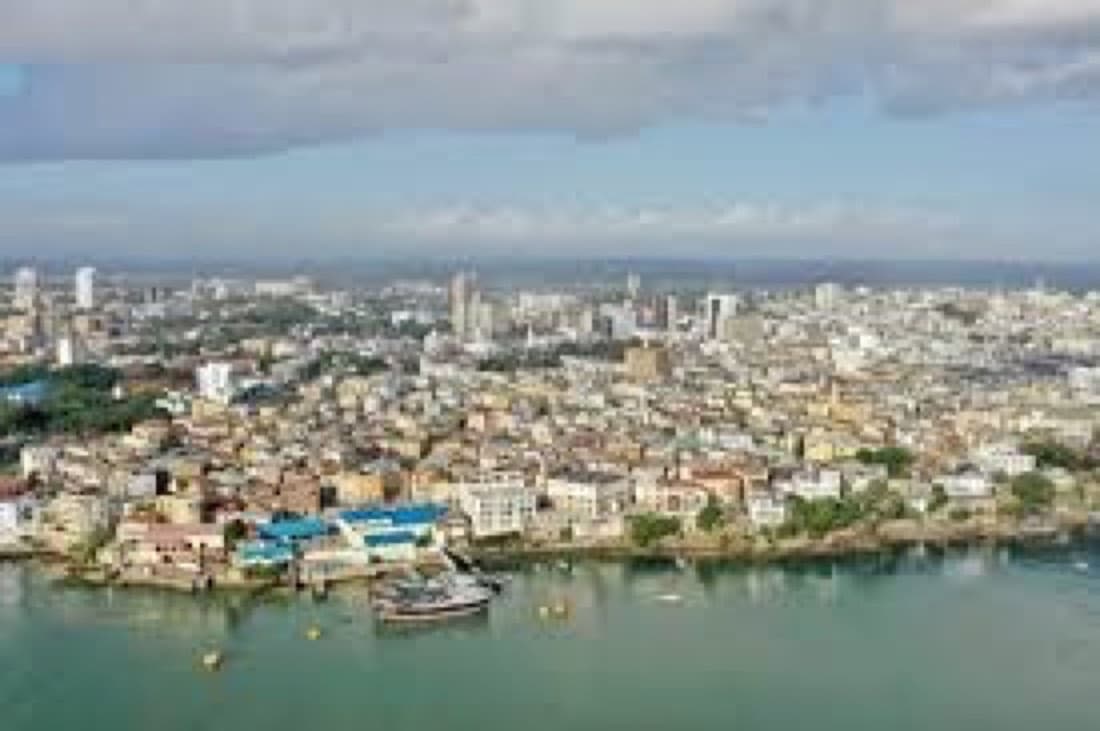
Stand on the waterfront at dawn and you can read Mombasa like a palimpsest. The Portuguese coral walls of Fort Jesus catch the first light. Beneath them, the narrow lanes of the Old Town still carry the carved wooden doors that Arab merchants installed centuries ago, the ornamental balconies of a dozen merged civilisations jutting over cobblestones worn smooth by generations. Out to sea, dhows cross the same routes that once carried ivory and cloves to Persia, India and China.
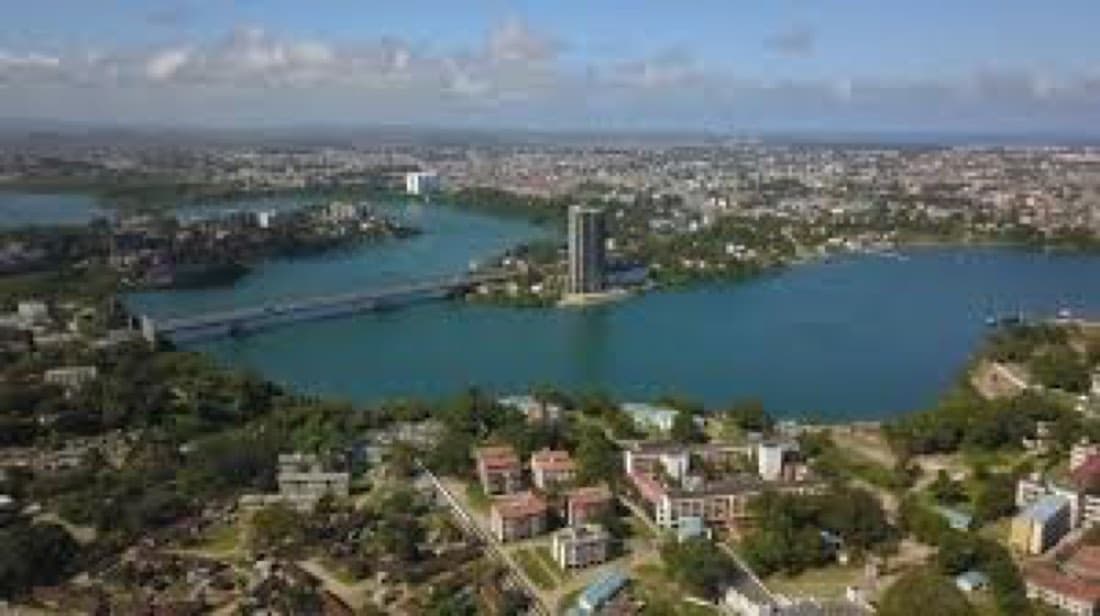
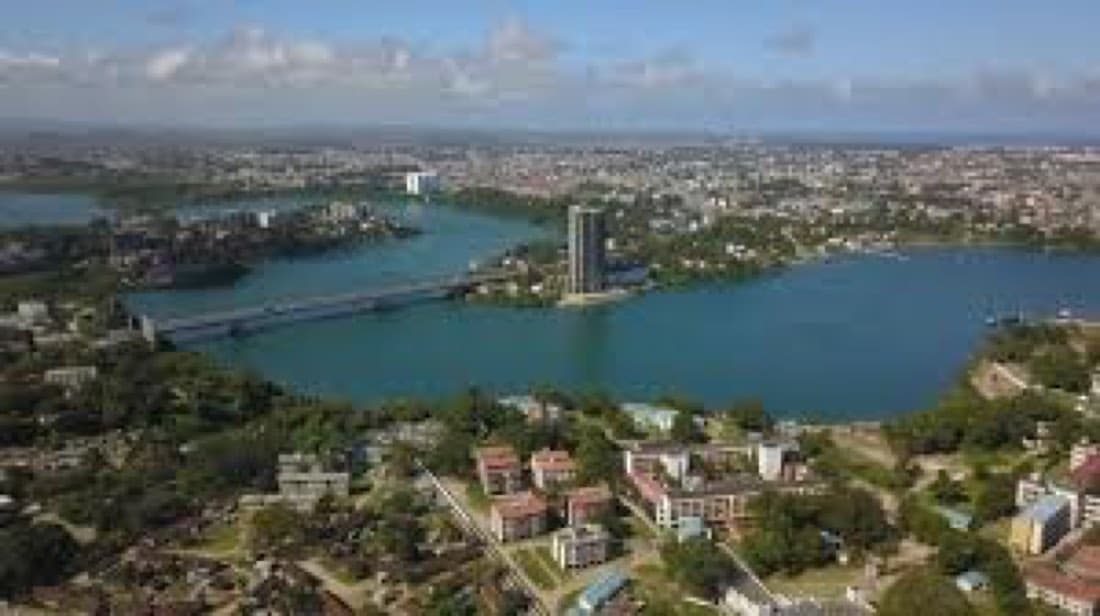
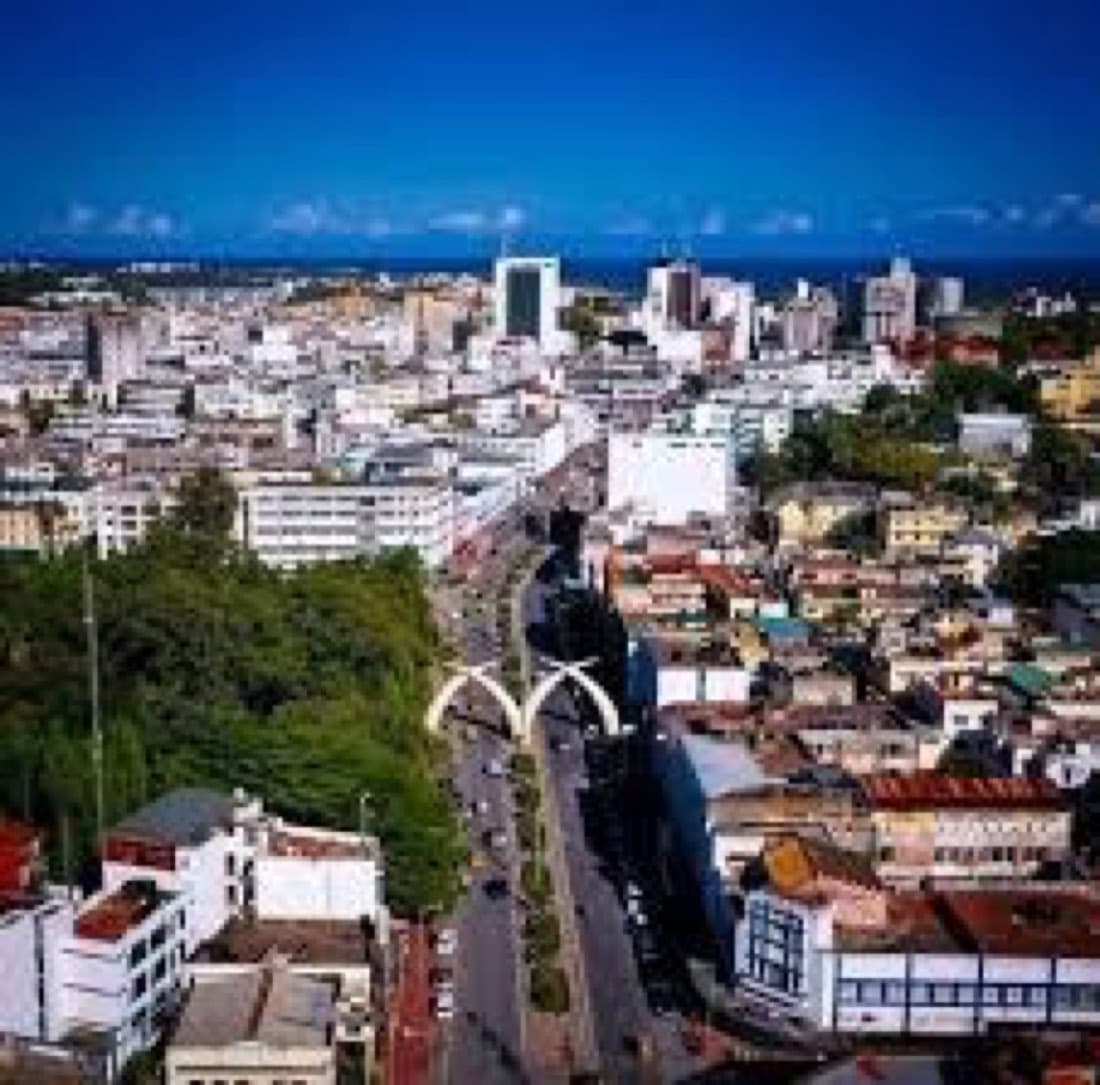
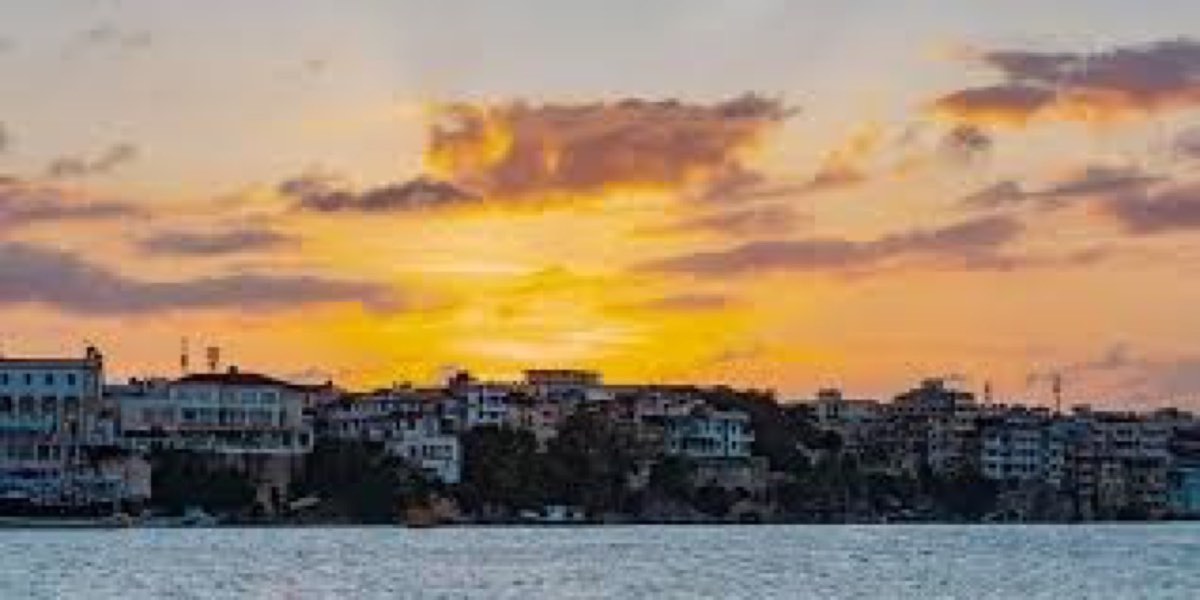
This layered identity is not merely picturesque. It is the city’s economic engine, its soft power on the global stage and the living inheritance of hundreds of thousands of Coastal Swahili people. Yet today, in neighbourhood after neighbourhood, the sound of drilling and demolition is replacing the cry of the muezzin and the rustle of palm fronds. High-rise apartment blocks, glass-fronted commercial towers and unplanned residential developments are reshaping Mombasa at a pace and scale that is alarming urban planners, heritage experts, tourism operators and, quietly, the international bodies who have invested years in recognising this city’s exceptional character.
The Changing Skyline
The pace of vertical construction has accelerated sharply over the past decade. Real estate developers cite a housing deficit of approximately 200,000 units per year and rising land scarcity on Mombasa Island as primary drivers. Neighbourhoods that were once low-density and architecturally coherent are being transformed street by street.
Majengo and the Old Swahili Quarters
Majengo, historically the most densely Swahili-character neighbourhood in the city, has drawn particular concern. Developers are systematically acquiring traditional courtyard houses and replacing them with seven-to-fifteen-storey apartment blocks. The architectural texture of the neighbourhood; its ornamental balconies, coral-lime construction and organic street pattern; is giving way to steel and concrete that bears no relationship to its context. Land rights activists at the Haki Yetu Organisation have documented how many transactions target elderly Swahili families who lack the legal resources to negotiate on equal terms with corporate developers. As Haki Yetu’s Munira Ali has written, for Mombasa’s Swahili communities land is not simply an economic asset but an anchor of identity, heritage and livelihood.
Tudor, Kizingo, Ganjoni and Nyali
Tudor and Ganjoni estates have seen rapid proliferation of residential blocks of ten to fifteen floors catering to hostel and short-term rental markets. Kizingo now accommodates luxury towers whose tenants’ ocean views are themselves compromised by further towers next door. In Nyali, former homeowners have sold up and relocated to Vipingo or Bofa in Kilifi County. Each departure represents a withdrawal from the social capital that made these places distinctive.
The Oceanic Hotel and Other Iconic Demolitions
No single demolition has crystallised the debate more sharply than the Oceanic Hotel, an art deco seafront landmark whose replacement by a modern mixed-use block was cited by Dr Kalandar Khan of the Technical University of Mombasa as emblematic of a broader pattern: modernity systematically dismantling the city’s cultural legacy. The Kenya Maritime Authority has additionally received complaints from marine pilots that rooftops and glass facades obscure navigational aids, while engineers have flagged unchecked borehole drilling that destabilises the foundations of historic neighbours.
UNESCO, Fort Jesus and the Old Town Question
Fort Jesus: A World Heritage Site Under Pressure
Fort Jesus was inscribed on the UNESCO World Heritage List in 2011, recognised as one of the most outstanding and best-preserved examples of sixteenth-century Portuguese military fortification anywhere in the world. Built between 1593 and 1596 to the designs of Giovanni Battista Cairati, it bears witness to the cultural interchange among peoples of African, Arab, Turkish, Persian and European origin. UNESCO’s inscription decision was explicit about long-term risk: protection from urban encroachment and inappropriate design in the areas adjacent to the Fort and in the surrounding Mombasa Old Town. That warning reads today as a premonition. The buffer zone intended to provide an additional layer of protection is under sustained pressure, and the Fort’s visual and atmospheric integrity is being compromised by towers rising in its sightlines.
Old Town: On the Tentative List Since 1997
Mombasa’s Old Town, the roughly 72-hectare historic core on the southeast side of Mombasa Island, has sat on Kenya’s UNESCO Tentative List since 1997. It comprises buildings dating from the eighteenth century that combine African, Arabic and European architectural influences across a street pattern reflecting centuries of organic urban growth. Full World Heritage inscription would bring international recognition, funding streams and a stronger legal framework. Yet the path is narrowing. UNESCO’s criteria require outstanding universal value, integrity and authenticity; and when a 200-year-old residential building was demolished to make way for a five-storey commercial block, and surrounding structures cracked from construction vibration, the authenticity argument became harder to sustain. Kenya’s Museums and Heritage Act of 2006 mandates protection of historic sites, but as Dr Khan observes, while there is political will, the financial will is missing. The Mombasa Old Town Conservation Organisation operates under the National Museums of Kenya but lacks the resources to match its jurisdiction.
Mackinnon Market and Leven House: Balance Is Possible
Not every story is one of loss. Dr Khan points to Mackinnon Market and Leven House as evidence that modernisation and heritage preservation can coexist when developers retain original fabric. In 2024 and 2025, the Alliance Française de Mombasa, with support from the French Embassy and the NMK, undertook a major Old Town signage project and began renovating the Fort Jesus exhibition gallery. These remain isolated interventions, but they demonstrate what political and financial will, together, can achieve.
Haller Park: Ecology Under the Shadow of the Cranes
Ten kilometres north of Mombasa, in Bamburi, lies one of East Africa’s most remarkable environmental success stories. Haller Park was established in 1971 on land devastated by limestone quarrying by Bamburi Portland Cement Company and transformed over decades by Swiss agronomist Dr René Haller into a thriving wildlife sanctuary. Today it encompasses over 300 indigenous plant species, more than 160 bird species, and habitat for hippos, elands, crocodiles and Rothschild giraffes, attracting more than 180,000 visitors annually. It was the first recipient of the UNEP Global 500 Roll of Honour award for ecological land rehabilitation and remains an internationally studied model for quarry restoration, managed by Lafarge Eco Systems.
Its significance for this analysis lies in what it represents: proof that industrial damage can be reversed through sustained commitment. But the park’s buffer is not unlimited. High-density development spreading along the Mombasa-Malindi corridor introduces noise, light pollution, borehole extraction pressure and increased impermeable surface runoff into a coastal ecosystem that depends on ecological connectivity. The park’s long-term viability is implicitly tied to the quality of urban planning decisions made in its surrounding catchment.
What the Skyline Is Costing Tourism
Tourism is the backbone of Mombasa’s formal economy. A traveller who has come specifically for the atmospheric lanes of the Old Town, for carved doors and coral architecture, for the immersive experience of a living Swahili city, is not served by a skyline that looks increasingly like any mid-tier developing city anywhere in the world. Visitors now avoid chaotic, crowded streets and confine themselves to Fort Jesus and the Old Town precisely because those spaces retain their authenticity. As the city around them becomes less distinctive, the destination as a whole diminishes even if individual heritage sites remain intact. Cultural spaces that once made Mombasa a rounded destination, including the Little Theatre Club, have declined to shadows of their former selves.
The economic contradiction is stark. Kenya’s Mombasa County Annual Development Plan for 2024/25 identifies tourism as a central economic pillar and commits to strengthening cultural assets. Yet the Youth, Gender, Sports and Culture budget line absorbed only 23.5 percent of its allocated funds in the most recent cycle. The National Museums of Kenya completed a Ksh 300 million waterfront park adjacent to Fort Jesus in late 2024, and the earlier Mama Ngina Waterfront Park has demonstrated that well-designed public coastal spaces can draw large visitor numbers. But park investment cannot substitute for the coherent urban character that once made the entire city worth exploring.
ESG Risks and the Mombasa Development Landscape
The Environmental, Social and Governance framework; now a standard lens for institutional investors and international lenders; reveals significant, systemic risk in Mombasa’s current trajectory. Viewed through each pillar, the picture is consistent: the city is accumulating liabilities that will compound over time.
Environmental Risks:
Buildings and construction globally account for approximately 39 percent of annual carbon emissions, with steel and concrete being among the most carbon-intensive approaches. Traditional coral-lime construction had inherent thermal mass that kept interiors cool without mechanical intervention; steel-and-concrete replacements require energy-intensive air conditioning in Mombasa’s humid coastal climate. Sea level modelling estimates that Mombasa and other East African coastal cities could face submergence of approximately 4,600 hectares with a sea level rise of only 30 centimetres, a scenario that may arrive by 2080. High-rise developments in low-lying coastal areas may therefore carry stranded asset risk not currently reflected in valuations. Borehole proliferation is an additional liability: aquifer drawdown accelerates ground subsidence and saltwater intrusion, destabilising the foundations of historic structures nearby.
Social Risks:
The social dimension is dominated by displacement and cultural dispossession. Swahili communities with multi-generational ties to specific urban quarters are being systematically bought out – often under financial pressure and without meaningful legal representation – in a pattern that mirrors gentrification case studies worldwide. Downstream social costs include loss of social cohesion, erosion of intangible cultural heritage (language, craft, cuisine and performance traditions) and the psychological harm of severance from ancestral place. These costs do not appear on developers’ balance sheets, but they accrue to the city as reduced social capital, increased inequality and the gradual hollowing out of the cultural authenticity that underpins the tourism economy. In Majengo, sewage systems, road networks and emergency access routes designed for Swahili neighbourhood densities are wholly inadequate for the towers replacing them; an emergency service access failure that represents a direct risk to life.
Governance Risks:
Kenya’s Museums and Heritage Act of 2006 provides a legislative framework for heritage protection, but enforcement is inconsistently applied outside gazetted site boundaries. Demolitions of historic structures within the conservation area have occurred despite county assurances that zoning rules prevent them. For international investors, the risk calculus includes reputational exposure under the EU’s Corporate Sustainability Reporting Directive and related instruments, which increasingly extend due diligence obligations to project-level impacts in markets like Kenya. The absence of a comprehensive ESG strategy in Mombasa’s county-level development planning; where cultural and environmental dimensions are treated as secondary to economic growth; is itself a material governance gap for a city whose economic identity rests on heritage tourism and ecological assets.
“Conservation does not hinder development. Development has to be controlled. We must find ways of maintaining the history of a place while allowing it to grow.” – Dr Kalandar Khan, Technical University of Mombasa
The Path Forward
Mombasa is not the first historic city to face the tension between growth and preservation, and it will not be the last. What distinguishes the current moment is the speed and scale of change relative to institutional capacity to manage it. The window for protecting the city’s architectural character is narrowing rapidly. Lamu Old Town, 350 kilometres up the coast, achieved full UNESCO inscription in 2001 and has maintained its character partly because island geography imposed natural limits on certain developments. Mombasa lacks that buffer, making deliberate governance intervention more, not less, important.
A heritage conservation economy; training local craftspeople in coral and lime construction, investing in adaptive reuse, incentivising developers to retain architectural fabric; could create jobs while protecting identity. The Go Blue project, an EU-Kenya initiative, has demonstrated at small scale that cultural heritage investment generates economic returns for grassroots organisations. The Mombasa Cultural Village and initiatives reviving Swahili gastronomy and performance tradition point toward a model that serves residents, tourists and international cultural partners simultaneously. What is needed is not a halt to development but a framework that takes seriously what makes Mombasa irreplaceable. A city of generic towers can be built anywhere. A living Swahili city, layered with centuries of Indian Ocean trade culture, anchored by a UNESCO World Heritage fort and surrounded by the world’s most celebrated quarry rehabilitation park, cannot.
Further Reading:
- Nation Africa: Is Mombasa losing its cultural identity? Key expert interviews, Jan 2025
- The Elephant: Dispossession, Gentrification and Loss of Heritage Land rights analysis, Mar 2025
- Standard Media: Clash of culture versus modernity Latest skyline debate reporting, May 2026
- UNESCO World Heritage Centre: Fort Jesus, Mombasa Official inscription and conservation documentation
- Springer: Urban Renewal in East African Port Cities Academic analysis of heritage conservation tensions
- Bamburi Group: Bamburi Haller Park (official) Conservation mission and visitor programme
- The Flipflopi: Revitalising Mombasa Old Town Alliance Française and NMK conservation projects, 2024/25