
History, Current Projects, and Future Prospects: an introductory article into the county’s workings within the Go Blue Project.
1. Introduction
1.1 Defining the Blue Economy
The Blue Economy encompasses the sustainable utilization of ocean and coastal resources to drive economic growth, improve livelihoods, and ensure environmental conservation. It integrates traditional sectors such as fisheries and maritime transport with emerging industries including marine biotechnology, offshore renewable energy, and ocean-based tourism, creating a holistic framework for sustainable development.
1.2 Strategic Importance of Mombasa County
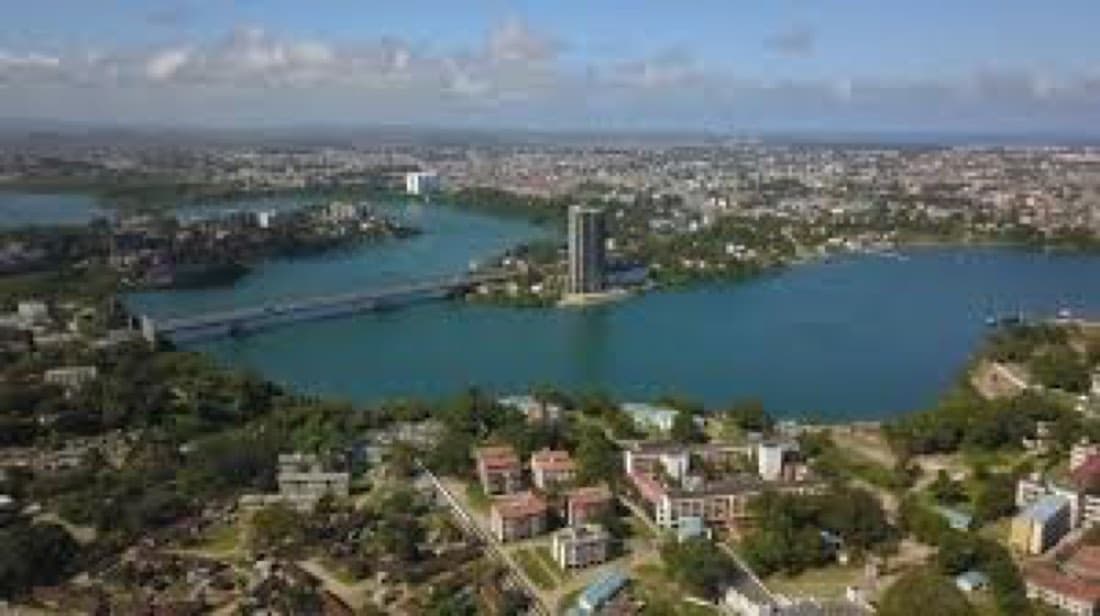
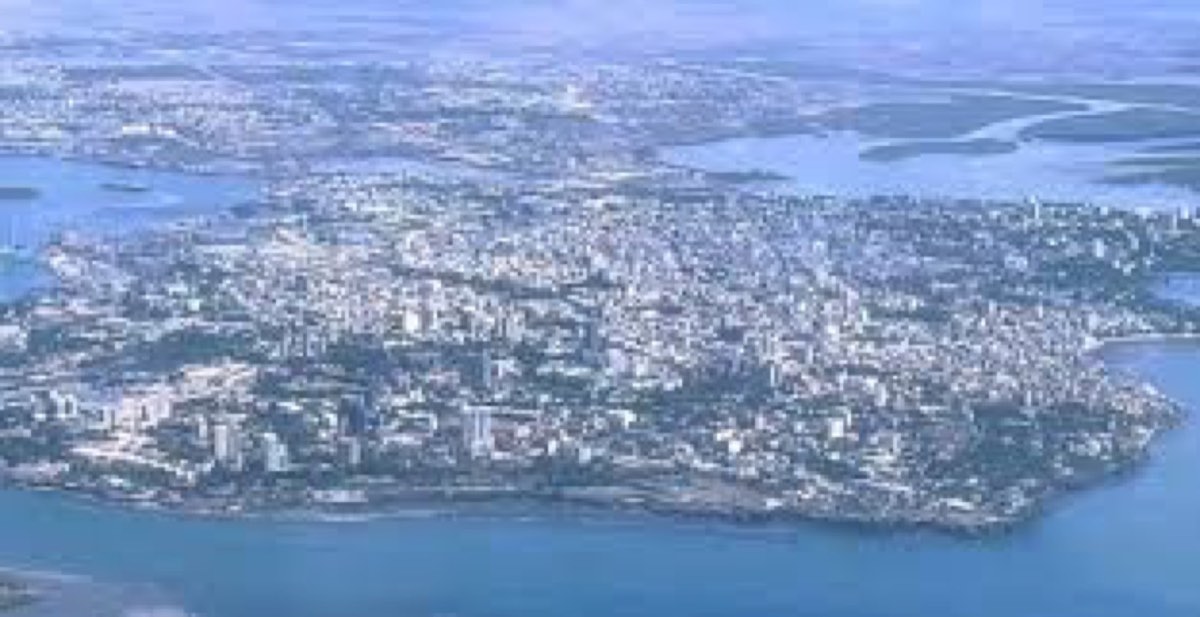
Mombasa County occupies a uniquely strategic position as Kenya’s principal coastal and maritime hub. Its location along the Indian Ocean positions it as a gateway not only for Kenya but also for landlocked countries such as Uganda, Rwanda, South Sudan, and parts of the Democratic Republic of Congo. This makes Mombasa a central node in regional trade and logistics, reinforcing its importance in both national and continental economic systems.
1.3 Key Economic Linkages
The Blue Economy in Mombasa connects multiple interdependent sectors, including maritime transport and logistics, coastal tourism and hospitality, fisheries and aquaculture, and marine ecosystem services. Together, these sectors form a complex and mutually reinforcing system that supports local livelihoods while contributing significantly to national economic growth.
2. Historical Development
2.1 Pre-Colonial and Early Coastal Trade
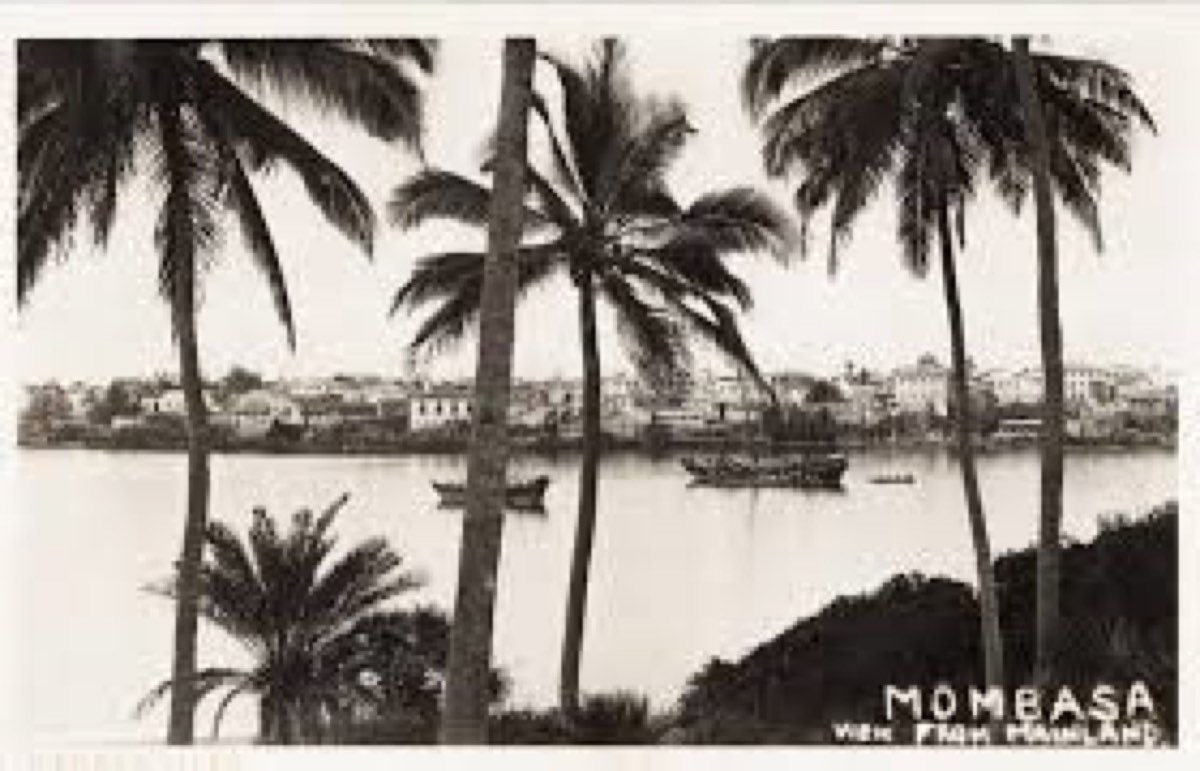
Historically, Mombasa was a vibrant trading hub within the Indian Ocean trade network. Coastal communities engaged in fishing, dhow-based trade, and cultural exchange with traders from Arabia, Persia, and Asia, making marine resources central to both economic and social life.
2.2 Colonial and Post-Independence Shifts
During the colonial period, maritime infrastructure such as the Port of Mombasa was developed primarily to serve inland extractive economies. Following independence, Kenya’s development focus shifted inland, which resulted in the relative underinvestment in marine sectors despite their significant potential for growth and sustainability.
2.3 Emergence of Tourism and Fisheries
From the late 20th century, coastal tourism began to flourish, driven by Mombasa’s beaches, coral reefs, and cultural heritage sites. At the same time, fisheries expanded, though largely remaining artisanal in nature, with limited modernization and investment in value addition.
2.4 Formalization of the Blue Economy Agenda
The 2010s marked a turning point with the integration of the Blue Economy into national frameworks such as Vision 2030. The 2018 Sustainable Blue Economy Conference hosted in Nairobi further elevated the sector’s importance by attracting global attention, fostering partnerships, and encouraging structured investment in marine resources.
3. Current Projects and Initiatives
3.1 Integrated Coastal Development: The Go Blue Project
A central pillar of Mombasa County’s contemporary Blue Economy landscape is the Go Blue Project, a European Union–funded initiative that exemplifies the shift toward inclusive, sustainable, and climate-resilient coastal development. Rather than functioning as a standalone intervention, the project operates as an integrative framework that cuts across fisheries, waste management, tourism, and enterprise development.
The Go Blue Project is designed to address structural gaps within the coastal economy by simultaneously promoting environmental protection and economic opportunity. Its approach aligns closely with Kenya’s Vision 2030 and the broader Sustainable Blue Economy Strategy, reinforcing the transition from extractive use of marine resources toward regenerative and circular economic systems.
3.1.2 Target Beneficiaries
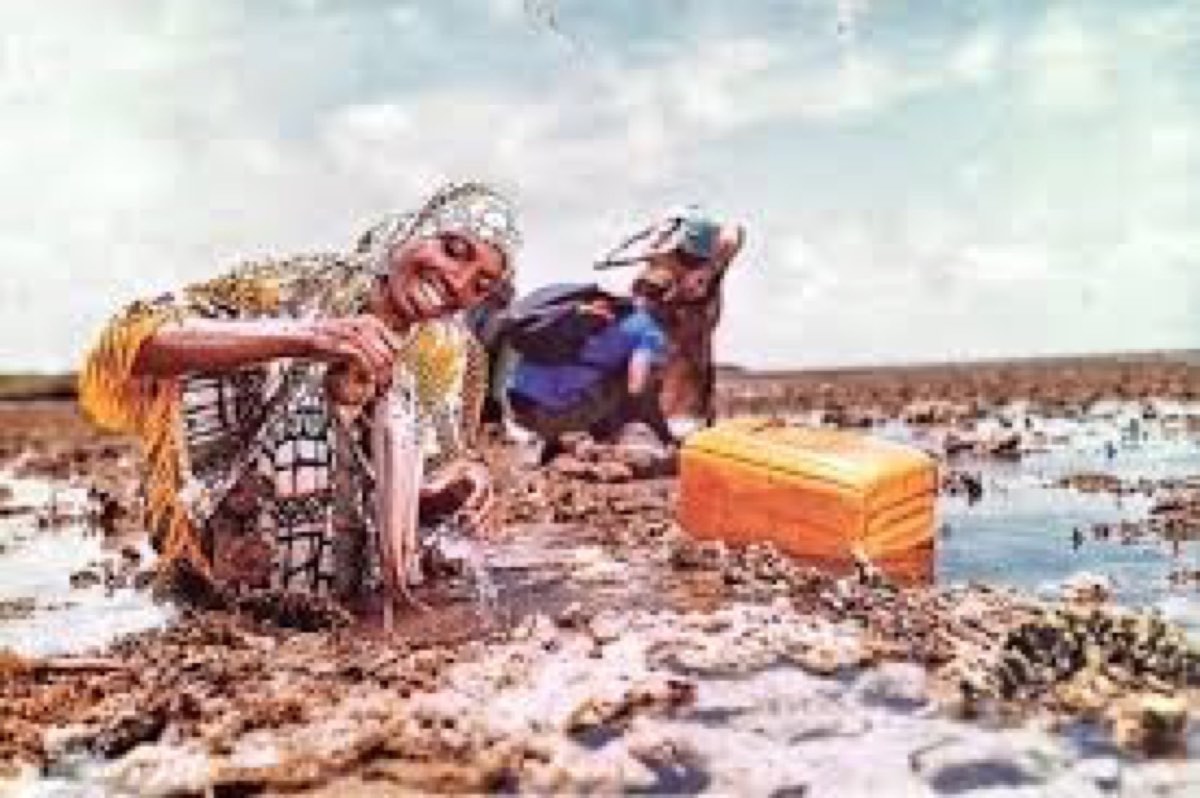
At the community level, the project prioritizes youth and women as primary beneficiaries, recognizing their critical role in driving grassroots economic transformation. Through targeted training programmes, access to financing, and enterprise incubation, it supports the development of small and medium-sized enterprises in sectors such as aquaculture, eco-tourism, and recycling. This has contributed to the gradual formalization of previously informal economic activities, enhancing both income stability and regulatory compliance.
3.1.3 Key Intervention Areas
In the fisheries and aquaculture sector, Go Blue complements existing county initiatives by promoting sustainable practices, including improved fish handling, value addition, and diversification into seaweed farming. These interventions reduce pressure on wild fish stocks while increasing productivity and resilience within coastal livelihoods.
Equally significant is the project’s contribution to addressing marine pollution. By supporting circular economy models, particularly in waste collection and recycling, Go Blue strengthens urban-coastal linkages and reduces the volume of plastic and other pollutants entering marine ecosystems. These efforts directly reinforce conservation strategies, including mangrove restoration and marine protected area management.
3.2 Port Infrastructure Development
3.2.1 Expansion and Modernization
Ongoing expansion of port infrastructure includes upgrades to container terminals, improvements in cargo handling systems, and the digitalization of logistics operations. These enhancements are designed to increase efficiency, reduce turnaround times, and accommodate growing trade volumes.
3.2.2 Regional Trade Integration
The Port of Mombasa supports regional corridors such as the Northern Corridor, significantly improving trade efficiency across East and Central Africa while strengthening Kenya’s role as a regional economic hub.
3.3 Fisheries and Aquaculture Development
3.3.1 Artisanal Fisheries Enhancement
Efforts to enhance artisanal fisheries focus on improving fishing gear and vessels, strengthening fish handling and storage practices, and expanding market access. These improvements aim to increase productivity while ensuring sustainability.
3.3.2 Aquaculture and Seaweed Farming
Aquaculture and seaweed farming are being promoted as alternative livelihood options that reduce pressure on wild fish stocks, enhance food security, and provide stable income streams for coastal communities.
3.4 Civil Society and Community Programs
3.4.1 Community Empowerment
Civil society organizations are actively engaged in building capacity within coastal communities by promoting sustainable resource use, strengthening local governance structures, and encouraging community participation in decision-making processes.
3.4.2 Climate Resilience Initiatives
Climate resilience programs focus on coastal protection, disaster risk reduction, and adaptation to sea-level rise, helping communities better withstand environmental and climate-related challenges.
4. Mombasa County Policies and Statistics
4.1 Policy Frameworks
4.1.1 County Integrated Development Plans (CIDPs)
The CIDPs prioritize sustainable coastal resource management, economic diversification, and infrastructure development, aligning county-level strategies with national Blue Economy objectives.
4.1.2 Spatial Planning and Zoning
Marine and coastal spatial planning helps reduce conflicts between sectors, protect sensitive ecosystems, and guide both public and private investment in a structured and sustainable manner.
4.2 Fisheries Infrastructure Development
The county has invested in modern fish landing sites, cold storage facilities, and value addition infrastructure, all of which contribute to reducing post-harvest losses and improving market efficiency.
4.3 Economic Contributions and Statistics
4.3.1 Port Activity
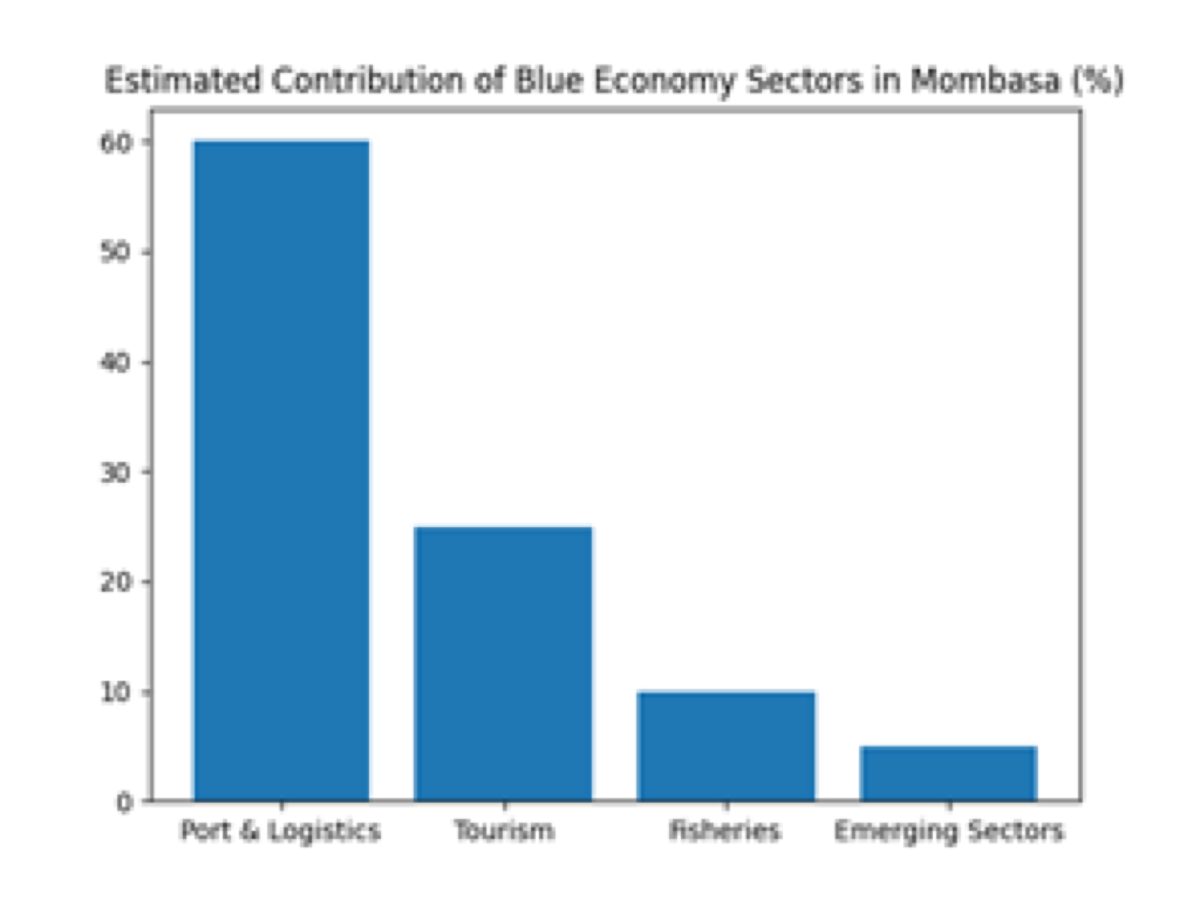
The Port of Mombasa handles over 30 million tonnes of cargo annually, making it the largest port in East Africa. It serves as a major employer and a critical source of revenue for both the county and the country.
4.3.2 Fisheries Sector
The fisheries sector employs thousands of households and supports both subsistence and commercial activities, playing a vital role in local economies and food systems.
4.3.3 Tourism Sector
Tourism remains a major source of foreign exchange, closely tied to marine ecosystems such as coral reefs and beaches, which attract both domestic and international visitors.
The chart below illustrates estimated sector contributions within Mombasa’s Blue Economy.
5. Economic and Social Benefits
5.1 Job Creation and Employment
The Blue Economy generates employment across multiple sectors, including shipping and logistics, tourism and hospitality, and fisheries and aquaculture, thereby contributing to economic stability and growth.
5.2 Support for Small and Medium Enterprises
Small and medium enterprises benefit through participation in supply chains, engagement in value addition activities, and provision of services such as transportation, processing, and tourism-related operations. Initiatives such as the Go Blue Project have played a catalytic role in strengthening SMEs by providing technical training, access to markets, and innovation support, particularly in emerging sectors like recycling and sustainable aquaculture.
5.3 Community Livelihoods
5.3.1 Income Generation
Coastal communities benefit from both direct income derived from fishing and tourism and indirect income from supporting industries, creating a diversified and resilient economic base.
5.3.2 Food Security
Fish and other marine products provide affordable and accessible sources of protein, contributing significantly to the nutritional well-being of local populations.
5.4 National and Regional Impact
At a broader level, the Blue Economy enhances GDP growth, strengthens regional trade integration, and boosts foreign exchange earnings, making it a key pillar of Kenya’s economic development strategy.
6. Environmental Importance
6.1 Marine Ecosystems in Mombasa
6.1.1 Coral Reefs
Coral reefs support rich biodiversity, attract tourism, and provide critical habitats for fish species, making them essential to both ecological health and economic activity.
6.1.2 Mangrove Forests
Mangrove forests play a crucial role in protecting coastlines from erosion, serving as breeding grounds for marine life, and sequestering carbon, thereby contributing to climate change mitigation.
6.2 Conservation Efforts
These conservation efforts are increasingly reinforced by integrated programmes such as the Go Blue Project, which link ecosystem restoration with livelihood creation, ensuring that environmental sustainability is economically viable for local communities.
6.2.1 Marine Protected Areas
Marine protected areas help preserve biodiversity and regulate fishing activities, ensuring that marine resources are used sustainably. These conservation efforts are increasingly reinforced by integrated programmes such as the Go Blue Project, which link ecosystem restoration with livelihood creation, ensuring that environmental sustainability is economically viable for local communities.
6.2.2 Mangrove Restoration Projects
Mangrove restoration initiatives aim to rehabilitate degraded ecosystems and enhance climate resilience while supporting biodiversity.
6.3 Addressing Marine Pollution
The Go Blue Project has been instrumental in advancing waste management solutions in Mombasa, particularly through community-based recycling enterprises and awareness campaigns aimed at reducing plastic pollution along the coastline.
6.3.1 Waste Management Challenges
Urbanization and industrial activities contribute to marine pollution, posing significant threats to ecosystems and livelihoods.
6.3.2 Sustainable Solutions
Sustainable solutions include recycling initiatives, plastic reduction programs, and community awareness campaigns that promote environmental responsibility.
7. Future Prospects
7.1 Emerging Blue Economy Sectors
7.1.1 Offshore Renewable Energy
There is growing potential for offshore renewable energy, including wind, wave, and tidal energy, which could provide sustainable power sources and reduce reliance on fossil fuels.
7.1.2 Marine Biotechnology
Marine biotechnology offers opportunities in pharmaceuticals, cosmetics, and industrial applications, leveraging marine biodiversity for innovation and economic growth.
7.2 Cruise Tourism Development
The expansion of cruise tourism is expected to increase visitor numbers, generate new revenue streams, and promote cultural exchange, further strengthening the tourism sector.
7.3 Investment and Innovation Opportunities
Future growth will depend on public-private partnerships, technological innovation, and skills development, all of which are essential for scaling up Blue Economy initiatives.
7.4 Key Challenges
7.4.1 Climate Change
Climate change poses risks such as rising sea levels, coral bleaching, and increased storm intensity, all of which threaten coastal ecosystems and infrastructure.
7.4.2 Resource Management
Challenges include overfishing, habitat degradation, and governance gaps, which must be addressed to ensure sustainable resource use.
7.5 Pathways to Sustainable Growth
Achieving sustainable growth will require strengthening governance frameworks, enhancing stakeholder collaboration, and promoting environmentally responsible practices across all sectors.
8. Conclusion
8.1 Summary of Key Insights
The Blue Economy represents a critical opportunity for Mombasa County to leverage its coastal assets for sustainable development by integrating economic growth with environmental stewardship and social inclusion.
8.2 Strategic Importance for Kenya
As Kenya’s primary maritime hub, Mombasa plays a central role in advancing national Blue Economy goals and strengthening regional trade integration.
8.3 The Way Forward
Sustained investment, effective governance, and active community engagement will be essential to unlocking the full potential of the Blue Economy while safeguarding marine ecosystems for future generations.
In the next article on this project within Mombasa county, we will be doing taking a deeper look at the various projects mentioned, as well as having the perspectives of those who work closely with them.
References:
Government of Kenya. (2023). Blue Economy Strategy.
Mombasa County Government. (2023). County Integrated Development Plan.
United Nations Environment Programme. (2022). Go Blue Project.
Kenya Ports Authority. (2024). Annual Port Statistics Report.
https://repository.kippra.or.ke/collections/e9bf87d7-18d1-4c66-a2e8-20046b6a09be