
Kenya Wildlife Service v Sea Star Malindi Limited, Petition E022 of 2024, [2025] KESC 42 (27
June 2025)
Some disputes outlive the buildings they are about. This one began in 1997, when a
hotel was going up beside the Malindi Marine National Park and a wildlife authority
told the builders to stop. Nearly three decades later, the Supreme Court of Kenya has
said something that every public body, and every developer, should take to heart: being
told you acted unfairly is not the same as being told you must pay.
How it started
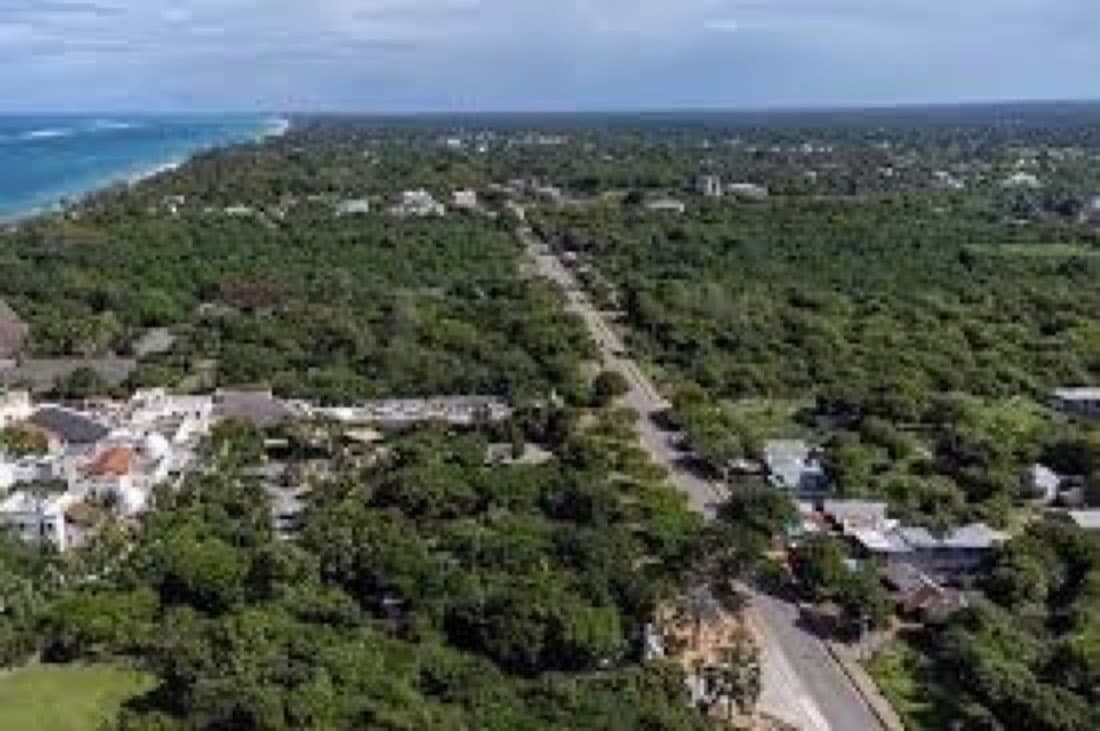
In 1996, Sea Star Malindi Limited obtained approval from the Municipal Council of
Malindi to build a hotel on its land next to the Marine Park. Construction was due to
finish in December 1997. Then, in August 1997, the Kenya Wildlife Service (KWS)
ordered the work stopped. Its position was that the building encroached on a protected
strip, 100 feet from the high-water mark of the Indian Ocean, and risked harming the
Park’s delicate ecosystem.
Sea Star went to the High Court for judicial review and asked for the stop order to be
quashed. In 2002 it succeeded: the order was set aside as procedurally unfair. Sea Star
then did what many successful applicants do next. It sued for damages, saying the stop
order had caused it heavy financial loss and violated its property rights.
The shortcut the lower courts took
The Environment and Land Court (ELC) and later the Court of Appeal found KWS
liable, with damages in excess of KSh 120 million reported at the ELC stage. The Court
of Appeal later reduced the general damages. Both courts leaned heavily on the earlier
judicial review ruling, treating it as having already settled the question of KWS’s
liability.
KWS appealed to the Supreme Court. Its complaint, in essence, was that the courts
below had not properly examined the evidence on liability before awarding damages.
What the Supreme Court said
The Supreme Court allowed the appeal. Its reasoning turned on what judicial review
actually is. The 2002 case was decided under the old procedural regime of Order 53 of
the Civil Procedure Rules, before the 2010 Constitution and the Fair Administrative
Action Act. In that setting, judicial review asked whether a decision was lawful, rational
and procedurally fair. It did not ask whether the decision-maker owed anyone money.
A ruling that a decision was procedurally improper, the Court held, cannot
conclusively resolve every question of liability in a later civil suit. Findings from the
judicial review may support a claim for compensation, but they cannot take the place
of a fresh hearing on the merits. The Court described the omission as fundamental,
because liability has to be established before damages can sensibly be assessed.
The result: the liability findings were set aside, and the suit against KWS was sent back
to the Court of Appeal to re-evaluate the evidence and decide liability and the
consequential issues. Each side was left to bear its own costs.
Why this matters
For public bodies, the decision is a measure of relief but not a licence. An agency that
loses in judicial review does not automatically face a damages bill. It does, however,
face the prospect of a full trial where its conduct will be tested on the evidence.
For developers and investors, the lesson is just as practical. Quashing a stop order, a
revoked permit or a refused approval is a victory on process, and it may be a very
important one. But if you have lost money, you must be ready to prove your case from
the beginning: the decision, the loss, the link between them. Treating the judicial
review judgment as the finish line can cost years.
There is also a quieter point about how Kenyan courts treat their own history. Judicial
review has changed a great deal since 2010, and the Supreme Court was careful not to
read today’s expansive approach back into a 2002 decision. Old judgments are to be
understood in the legal world in which they were made.
Where things stand
The dispute is not over. The Court of Appeal now has to look at the evidence again.
Whether KWS acted lawfully in protecting a sensitive marine boundary, and whether
Sea Star is entitled to compensation for the halt to its project, remain to be decided.
The Supreme Court has simply insisted that those questions be answered properly, on
evidence, and not by inference from an earlier ruling on a different question.
For anyone working in environmental regulation, land and construction law, or public
liability, the case is a useful reminder: procedure and liability are different questions,
and the road from one to the other is a trial, not a shortcut.
Sources
Supreme Court of Kenya, Media Summary and Judgment, SC Petition No. E022 of 2024 (27 June 2025); Kenya
Law, [2025] KESC 42 (KLR) and Weekly Case Digest; Business Daily Africa, 2 July 2025.