
Issue 07 · 6 November 2026. Legal and policy developments shaping Kwale County, and what they mean for the sectors that drive it. This newsletter tracks new, upcoming and ongoing legal and policy decisions affecting Kwale County, and what they mean economically across key sectors.
Tourism and Wildlife
The Model County Wildlife Conservation and Management Bill, 2026 seeks to establish a harmonised legislative framework for wildlife conservation and management across Kenya’s counties. Launched on 29 October 2026 through a partnership between the Council of Governors and the Kenya Wildlife Conservancies Association, the Model Bill provides a legislative template that counties can adopt or adapt to strengthen wildlife governance, support community-led conservation and integrate wildlife protection into county land-use planning.
The framework is intended to clarify the respective roles of county governments in managing national reserves within their jurisdictions, including the preparation of management plans and the coordination of conservation activities. It also seeks to strengthen the recognition and governance of community and private conservancies, improve responses to human–wildlife conflict and provide a more structured approach to conservation financing.
Impact
Management of wildlife reserves: The framework presents an opportunity for Kwale County to strengthen the administration of Shimba Hills National Reserve through clearer management responsibilities, planning and resource allocation. This is particularly important given the reserve’s ecological significance within the wider Shimba Hills ecosystem.
Community conservancies and livelihoods: Recognition and support for community and private conservancies could strengthen existing conservation initiatives, including Mwaluganje Elephant Sanctuary. Improved governance and benefit-sharing arrangements could create more predictable economic incentives for communities participating in wildlife conservation.
Human–wildlife conflict: Stronger county-level coordination and conservation planning could improve responses to wildlife-related crop and property damage, particularly in communities surrounding Shimba Hills and Mwaluganje. This would complement the existing role of County Wildlife Conservation and Compensation Committees in reviewing compensation claims.
Tourism and conservation financing: More effective reserve management and community participation could strengthen Kwale’s nature-based tourism offering while creating opportunities for sustainable conservation financing and local economic activity.
Maritime Investment Policy and Maritime Incentive Regime — stakeholder engagement
The Kenya Maritime Investment Policy and the associated Maritime Incentive Regime represent a national framework developed by the Ministry of Mining, Blue Economy and Maritime Affairs alongside the Kenya Maritime Authority (KMA). Designed to position Kenya as a premier global maritime hub, the policy addresses long-standing structural gaps by establishing a competitive, predictable and supportive environment for domestic and international maritime investments.
The principal objective is to harness Kenya’s extensive 640 km Indian Ocean coastline and 10,700 km (approx.) navigable inland waters to drive rapid industrialisation, attract private sector capital, generate jobs, and elevate the maritime sector’s contribution to the national Gross Domestic Product (GDP).
The core pillars of the framework include:
Hybrid open ship registry: Establishing an efficient and more open ship registry to attract vessel owners and increase national tonnage.
Port and facility upgrades: Expanding and modernising port infrastructure, small-scale jetties and cold chain logistics hubs across coastal and inland water bodies to facilitate continuous cargo and passenger transport.
Fiscal incentives: Proposed competitive tax exemptions, customs duty reliefs on specialised maritime equipment, and favourable licensing structures for shipping lines and marine enterprises.
Ease of doing business: Streamlining regulatory compliance, vessel registration procedures and certification processes to reduce administrative bottlenecks and operational overheads.
Seafarer placements: Aligning with national targets to train, certify and place tens of thousands of skilled, competitive Kenyan seafarers onto international and domestic vessels.
Institutional training: Strengthening maritime education standards through institutions like the Bandari Maritime Academy to ensure compliance with international STCW (Standards of Training, Certification and Watchkeeping) conventions.
Stakeholder engagements led by the State Department for Shipping and Maritime Affairs have rolled out across the coastal region, with members of the public weighing in with their thoughts. In Mombasa, the discussions revolved around the need for a unified maritime investment office to reduce bureaucratic processes that deter investors, faster resolution of maritime court cases, and maximising the training curriculum to take advantage of the investment opportunities.
While successful implementation will depend on sustained multi-agency collaboration, community engagement and transparent resource management, Kwale County is strategically positioned and endowed with rich maritime resources and a vital marine footprint to make this a reality. This policy framework will serve as a catalyst to unlock the county’s untapped economic potential.
Impact
Capital inflow: Tax incentives, customs duty exemptions on specialised maritime equipment and streamlined licensing frameworks encourage domestic and foreign direct investment (FDI) into local marine enterprises.
Value chain expansion: Stimulating commercial fishing, cold storage facilities, fish processing plants and boat-building yards, shifting the local economy from raw extraction to value-added processing.
Seafarer employment: Aligning with national targets to train, certify and place skilled Kenyan seafarers onto international and domestic vessels, directly absorbing Kwale’s youth into formal maritime careers.
Local skills training: Promoting localised maritime education and vocational training in boat maintenance, navigation, safety gear manufacturing (such as life jacket production initiatives) and port logistics.
Landing sites and jetties: Upgrading fish landing sites, cold storage chains and small jetties along the Kwale coastline to reduce post-harvest losses and improve trade logistics.
Digital integration: Connecting local operators to the Kenya Maritime Data Bank, eliminating information silos and enhancing operational transparency for small and medium-scale marine enterprises.
Trade and Investment
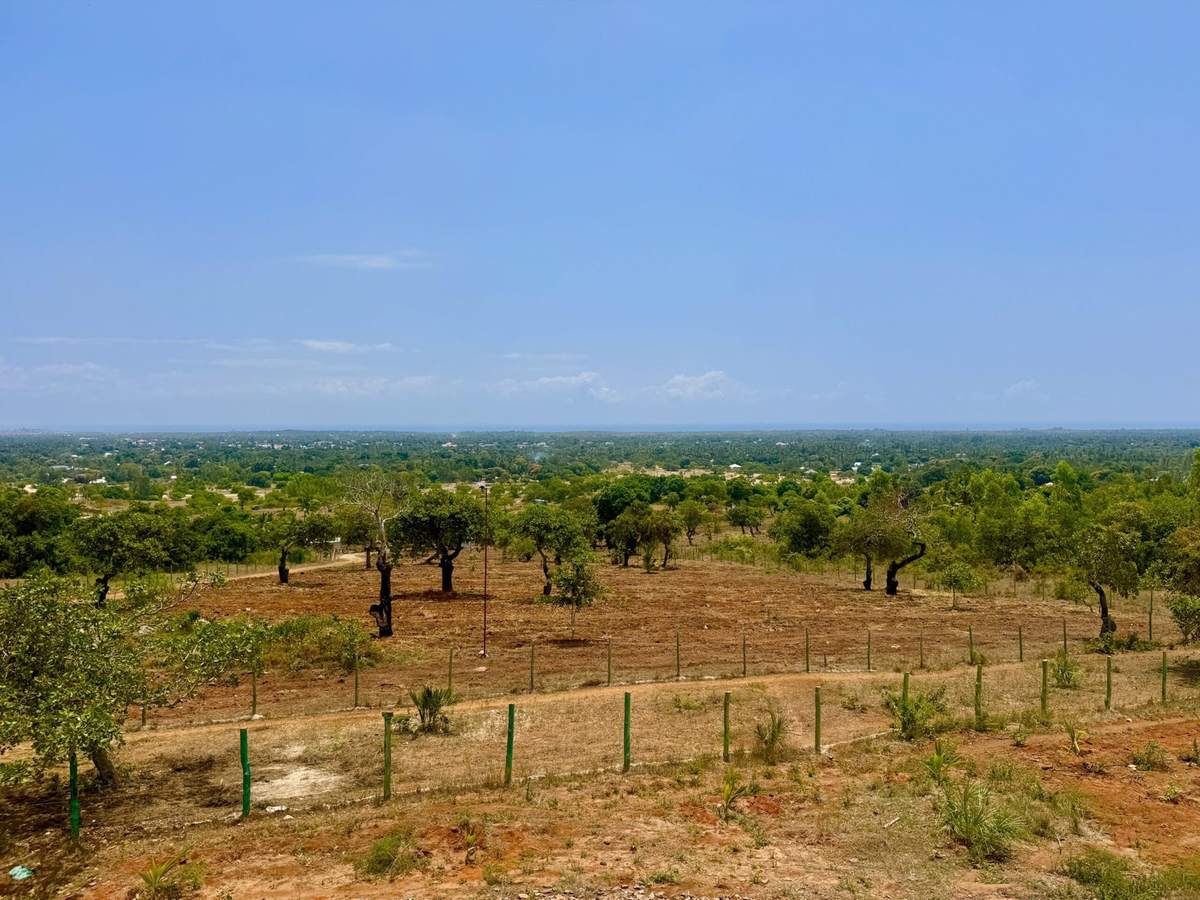
On 2 November 2026, the County Government of Kwale, through its Department of Water Services, issued a tender notice inviting eligible bidders to undertake two water infrastructure projects in the 2026/2027 financial year. The projects comprise the construction of Dzeruni Dam in Karyaka, incorporating the installation of a solar system in Puma (Tender No. 2674936-2026/2027), and the extension of the water pipeline from Kagotoni to Dzisuhuni Primary School in Mackinon Ward (Tender No. 2675000-2026/2027). Both tenders were advertised under the open category, with submissions due through the government’s e-procurement platform by 10 November 2026 at 11:00 a.m.
The two projects reflect the county’s continued investment in water infrastructure as an essential component of local economic development. The proposed Dzeruni Dam construction is particularly significant because dam infrastructure can improve water storage capacity and provide a more reliable supply of water, particularly in areas experiencing seasonal shortages. The additional installation of a solar system in Puma introduces a renewable energy component into the proposed water infrastructure, potentially supporting more sustainable and cost-effective water operations.
Impact
The proposed projects could strengthen Kwale’s rural economic infrastructure by improving water access, supporting agricultural productivity and creating opportunities for local enterprises. The integration of solar energy may also contribute to lower operational costs and improve the sustainability of water supply systems. In addition, the procurement process provides opportunities for contractors, suppliers and service providers to participate in county-funded projects, potentially stimulating employment and local commercial activity. In the longer term, improved water infrastructure could enhance the attractiveness of underserved areas to investors, particularly in agriculture and agro-processing.
However, these benefits will depend on the successful award, implementation and operationalisation of the projects.
Ports
Merchant Shipping Act, 2009 (No. 4 of 2009) — legislation analysis
The Merchant Shipping Act, 2009 provides the legal framework governing maritime transport and shipping activities in Kenya. It regulates matters relating to the registration and licensing of ships, safety of vessels, maritime navigation, prevention of marine pollution, seafarer training and certification, and the regulation of shipping operations. The Act also establishes the responsibilities of the Kenya Maritime Authority (KMA) in overseeing maritime safety, security and compliance with applicable international maritime standards.
Impact
The Act has several implications for trade and investment in Kwale County. First, it provides a regulatory environment that can improve investor confidence in maritime transport. Businesses involved in shipping, vessel operations, cargo handling, marine logistics and port-related services benefit from clearer safety and operational requirements. This is particularly important as Shimoni develops its capacity to handle larger volumes of fish and other maritime-related commercial activities.
Secondly, the Act creates opportunities for employment and skills development. Its provisions on seafarer training, certification and maritime labour provide a framework for developing a skilled maritime workforce. Kwale residents could benefit from training and employment opportunities in vessel operations, maritime safety, port services and marine transport, provided that appropriate training and recruitment opportunities are made accessible locally.
Third, the legislation strengthens environmental protection by regulating marine pollution and imposing safety obligations on shipping activities. This is important for Kwale because its economy depends significantly on fisheries, tourism and other marine resources. Effective enforcement can help protect the coastal environment upon which local businesses and fishing communities depend.
However, compliance requirements may increase operational costs for small-scale fishing operators and local maritime businesses, particularly those that lack the financial capacity to meet vessel safety, licensing and certification requirements. There is therefore a need for accessible regulatory guidance, training and support for local operators.
Lands, Public Works, Housing and Urban Development
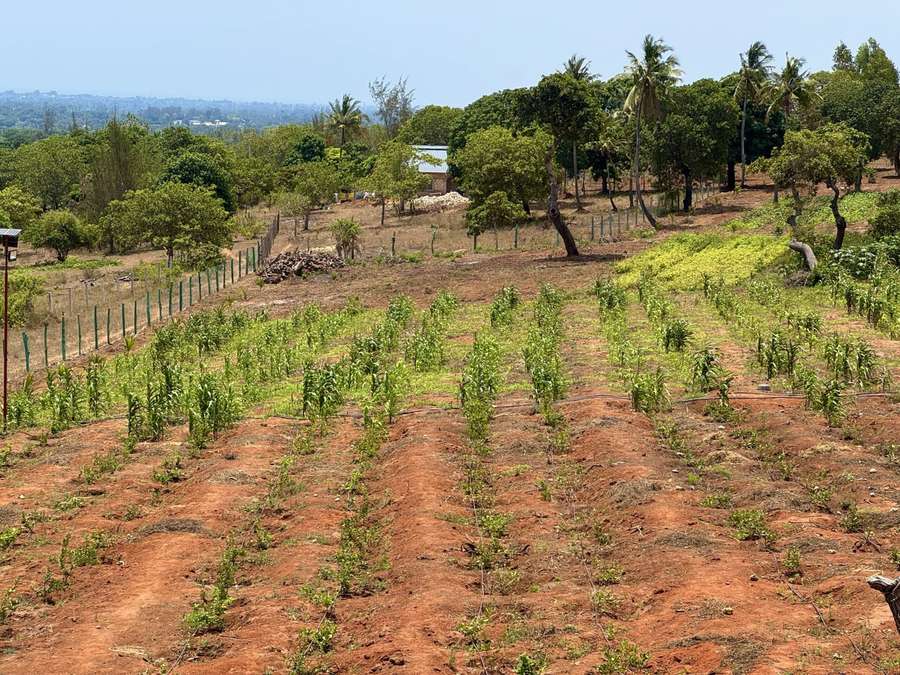
On 2 November 2026, the County Government of Kwale advertised a tender for the extension of a water supply pipeline from Kagotoni to Dzisuhuni Primary School in Mackinon Ward. The project, listed under Tender Number 2675000, is intended to extend existing water infrastructure to the project area.
The proposed works go beyond the installation of a pipeline. Details contained in the tender documentation indicate that the project will involve approximately 5.5 kilometres of new high-density polyethylene (HDPE) pipeline, rehabilitation of approximately 200 metres of an existing uPVC pipeline and installation of three communal water points. The official procurement portal lists the publication date as 2 November 2026 and the submission deadline as 10 November 2026.
Impact
The proposed extension could improve access to water for households and institutions along the project route. The inclusion of communal water points is particularly relevant because it provides for water collection points beyond the immediate connection to the primary school. If successfully implemented, the project could reduce the distance residents have to travel to access water and ease the burden on existing water sources.
The rehabilitation of the existing pipeline and provision for a standby pump also point to the importance of maintaining water infrastructure and supporting continuity of supply. However, the actual reliability of the service will depend on the availability of the water source, effective operation of the pumping system and regular maintenance of the network.
For Dzisuhuni Primary School, improved access to water could support sanitation, hygiene and the school’s daily operations. At community level, more accessible water infrastructure may also support small-scale economic activities that depend on a reliable water supply.
Agriculture and Livestock
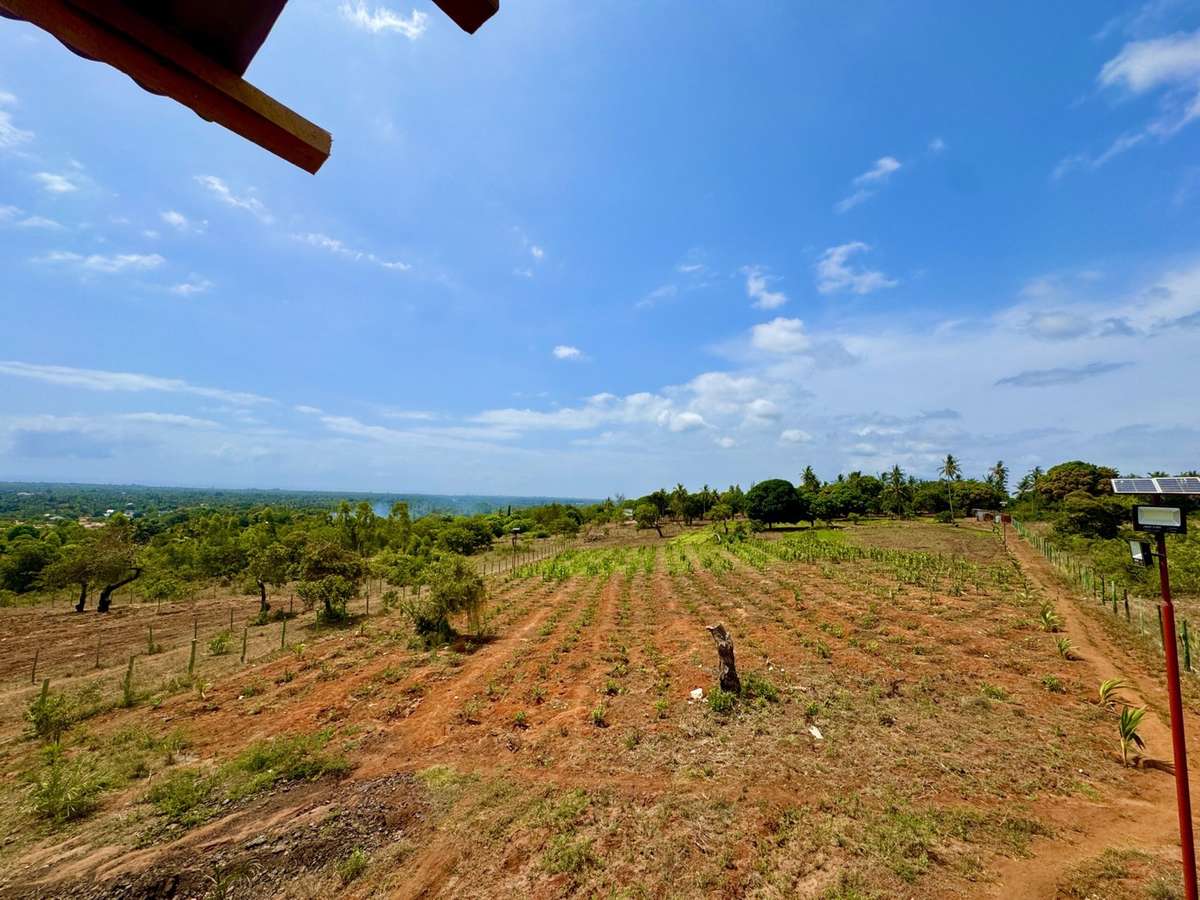
Kenya Agricultural Data, Information and Digital Policy — analysis
The Kenya Agricultural Data, Information and Digital Policy establishes a unified national framework designed to overhaul the country’s agricultural sector through modern digital technologies, data governance and integrated information systems. Historically, Kenya’s agricultural landscape has lacked consistent data collection across national and county registries. This policy resolves these structural inefficiencies by establishing centralised coordination mechanisms, specifically the Kenya Agricultural Digital Information Centre (KADIC), to harmonise data flows across value chains, research bodies and devolved county governments.
At its core, the policy prioritises smallholder empowerment, climate-smart agriculture, financial inclusion and strict adherence to data protection regulations, such as the Data Protection Act and the Computer Misuse and Cybercrimes frameworks.
Impact
Climate adaptation and early warning: The policy integrates localised climate-smart weather apps to give farmers precise advisories useful for drought mitigation and moisture retention. This is particularly valuable for inland sub-counties like Kinango, which experience frequent dry spells.
Market linkages for cash crops: Digital integration will allow direct connection to key markets, potentially avoiding predatory middlemen.
Questions on any of this week’s developments?
Speak to your MMS Advocates relationship partner, or contact the firm at info@mmsadvocates.co.ke or +254 (0) 748 998 904.
This publication reflects the law and publicly available sources as at the date of publication, which may change and have not been independently verified. Views on policy are the authors’ own. © 2026 MMS Advocates. This publication may be shared in full with attribution, but not altered.