
Issue 08 · 13 November 2026. Legal and policy developments shaping Kwale County, and what they mean for the sectors that drive it. This newsletter tracks new, upcoming and ongoing legal and policy decisions affecting Kwale County, and what they mean economically across key sectors.
Trade and Investment
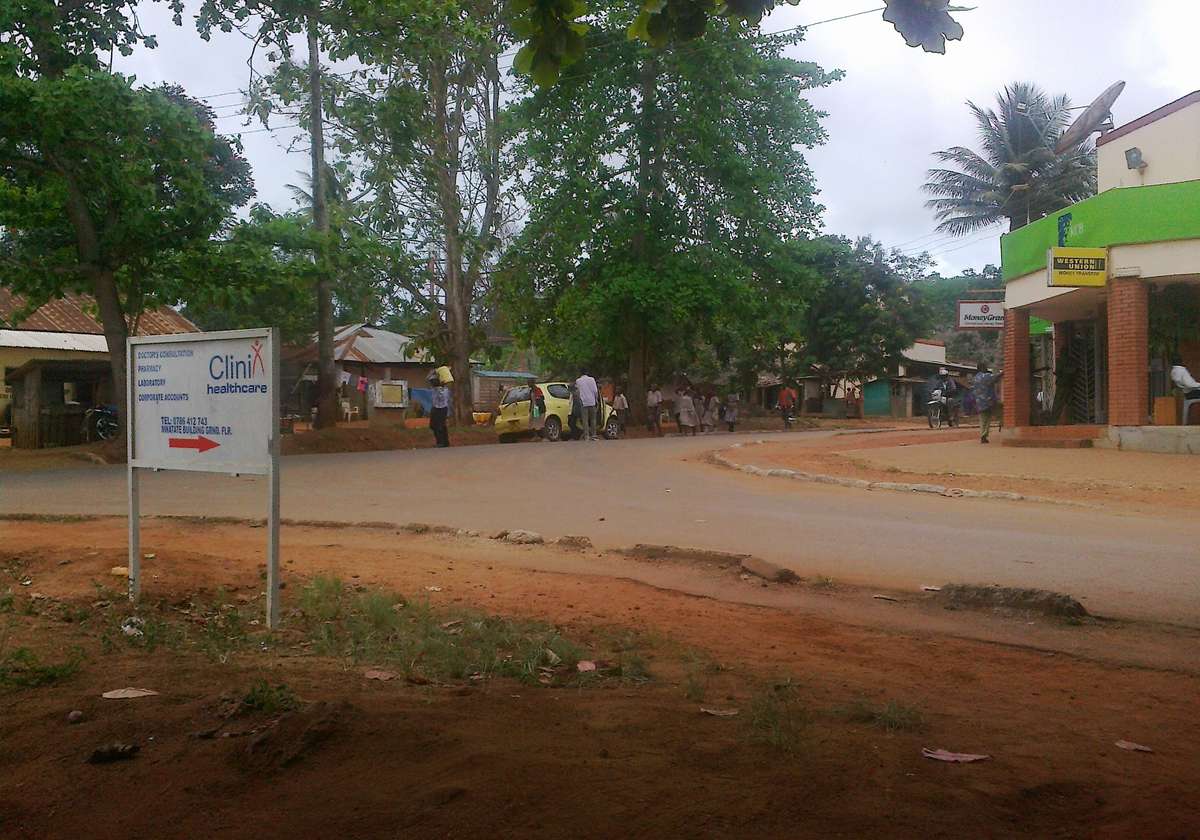
Kwale County Investment Corporation Bill, 2026: countywide public participation and a proposed framework for managing county investments
On 10 November 2026, forums were scheduled in Mwereni, Vanga, Dzombo, Samburu/Chengoni and Pongwe/Kikoneni wards. The exercise continued on 11 November in Waa Ng’ombeni, Tiwi, Ukunda, Tsimba Golini and Bongwe Gombato, among other areas. The forums were moderated by members of the County Assembly’s Planning, Trade, Tourism and Cooperative Development Committee.
The Assembly’s programme also provided for further engagements between 11 and 13 November 2026 in areas including Ndavaya, Puma, MacKinnon Road, Kubo South and Mkongani. The designated venues included Ndavaya Social Hall, Vigurungani Social Hall, Taru Social Hall, Lukore Social Hall and Kirewe Social Hall, respectively. The meetings were scheduled to commence at 10:00 a.m., providing residents with an opportunity to present their views at ward level rather than having to travel to a single countywide venue.
Impact
Strengthening Kwale County’s investment environment: by creating a dedicated institutional framework for managing county-owned investments and commercial assets. If effectively implemented, it could improve investment coordination, promote prudent use of public resources and enhance the county’s capacity to generate revenue from its investments. This could, in turn, create opportunities for private-sector partnerships, business expansion and employment.
Improved investor confidence: for local businesses and investors, a clearly defined investment-management structure will improve confidence in the county’s ability to identify and manage viable investment opportunities.
Increased emphasis on operational safeguards: clear financial reporting obligations, transparent procurement procedures, independent audits and effective oversight will be necessary to prevent mismanagement of public assets and unnecessary administrative expenditure. The public participation process is therefore important in ensuring that the final legislation reflects the county’s economic priorities while protecting public interests.
Tourism and Wildlife
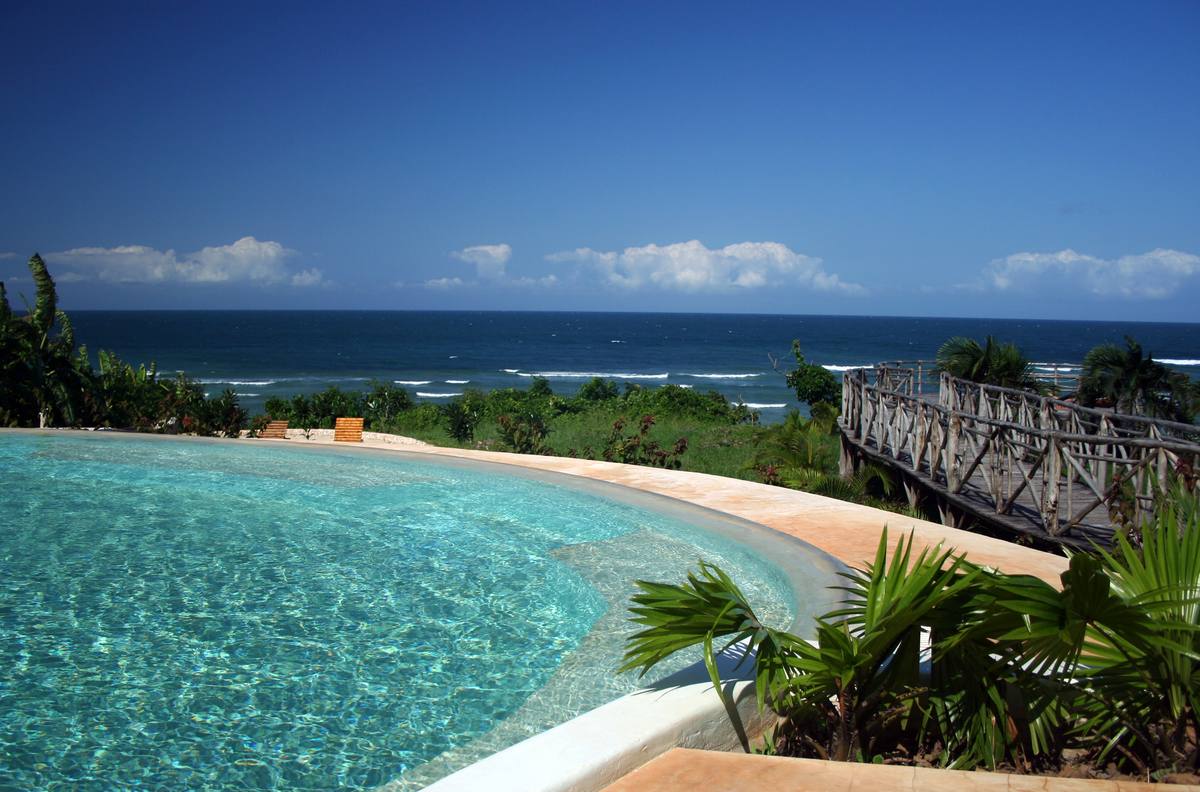
Tourism (Tourism Enterprises) Regulations, 2026: Senate scrutiny over county licensing powers
The Tourism (Tourism Enterprises) Regulations, 2026 (Legal Notice No. 127 of 2026) seek to strengthen the licensing, standardisation and regulation of tourism enterprises under the Tourism Act, 2011.
On 5 November 2026, the Council of Governors (CoG), through its Tourism and Wildlife Committee, urged the Senate Committee on Delegated Legislation to reject the Regulations in their entirety. The CoG argues that the framework gives the Tourism Regulatory Authority (TRA) a dominant licensing role that could subordinate county licences and encroach on county functions under Part Two of the Fourth Schedule to the Constitution, including trade licensing and local tourism.
The dispute concerns the relationship between the TRA’s national mandate to regulate and license tourism activities under section 98 of the Tourism Act and the counties’ constitutional responsibilities. The Senate Committee questioned the Regulations’ implementation before completion of the parliamentary scrutiny process and resolved to engage the Cabinet Secretary and relevant Principal Secretaries before making its recommendations.
Impact
Tourism businesses in Kwale: hotels, resorts, tour operators and travel agents may be affected by the eventual clarification of national and county licensing requirements.
County regulatory powers: the outcome could clarify the respective roles of the TRA and county governments in regulating tourism enterprises and issuing trade licences.
Compliance and investment: greater clarity on licensing obligations and regulatory costs would help tourism operators plan for compliance and provide a more predictable environment for investment in Kwale’s coastal tourism sector.
Agriculture and Livestock
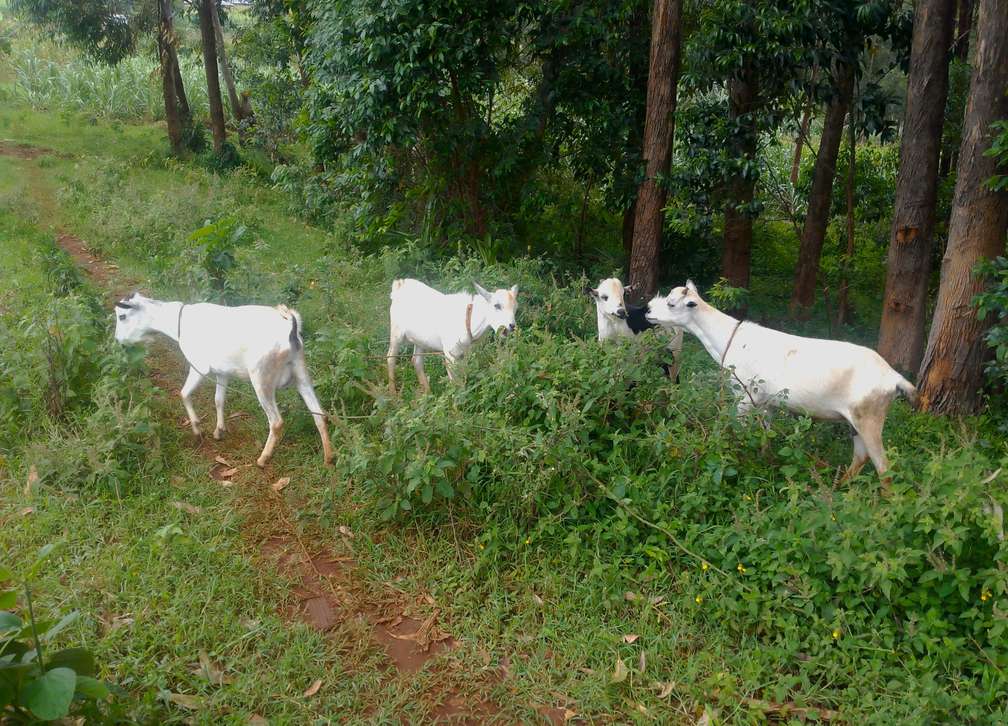
Livestock and veterinary policies overhaul
The Ministry of Agriculture and Livestock Development initiated stakeholder consultations across 10 counties to review and overhaul Kenya’s Livestock Policy and Veterinary Policy. The reforms target gaps in animal disease surveillance, veterinary staffing, pasture development, antimicrobial resistance (AMR), climate resilience and zoonotic disease control.
Impact
Livestock and veterinary extension: Kwale’s semi-arid hinterlands — Kinango, Lungalunga and Samburu sub-counties — rely heavily on pastoralism and agro-pastoralism. The revised Veterinary and Livestock policies will guide county-level recruitment of veterinary officers, strengthen cross-border livestock disease surveillance, especially along the Tanzania border in Lungalunga, and improve pasture management.
Education
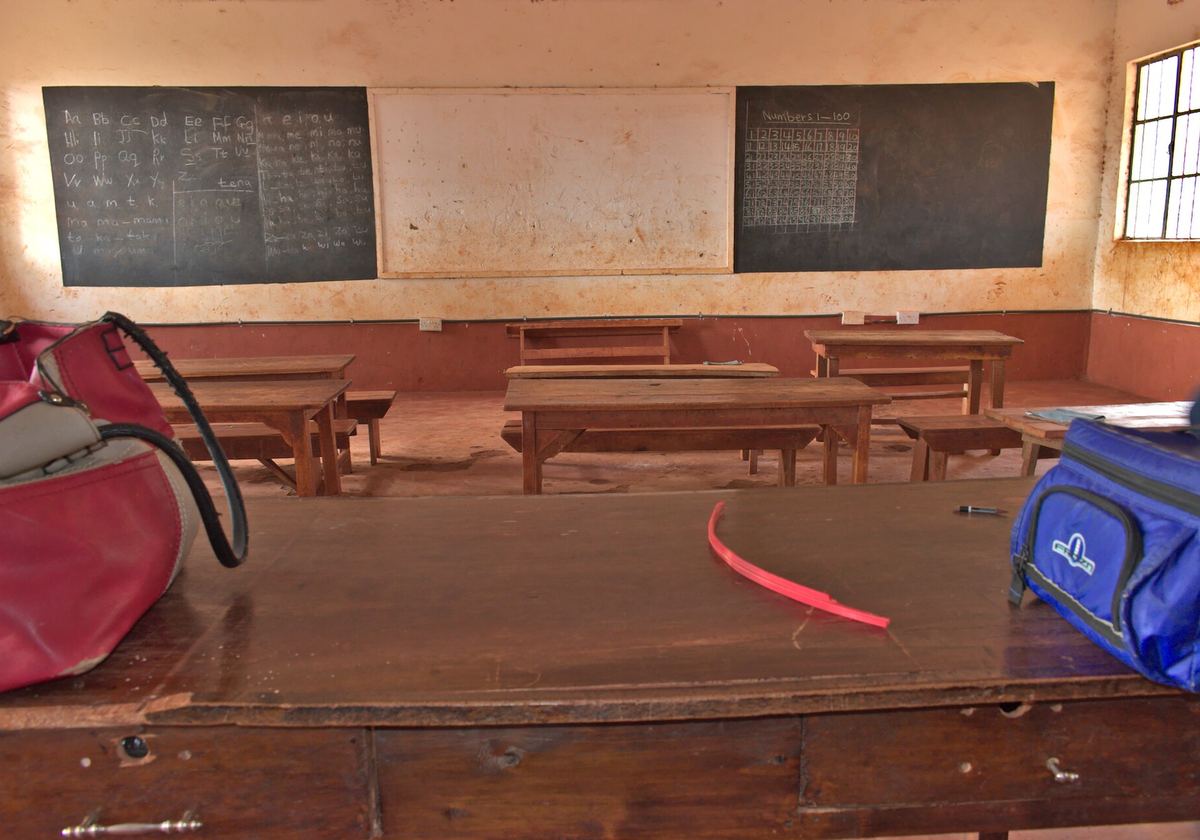
The Teachers Service Commission advertises 7,720 replacement teaching posts
The Teachers Service Commission opened applications, closing 23 November 2026, for 7,720 permanent and pensionable replacement vacancies: 5,609 primary, 25 junior school and 2,086 secondary. The President additionally announced plans to recruit a further 20,000 teachers in December 2026.
Impact
Addressing teacher shortages: Kwale County has historically faced acute teacher deficits in rural wards such as Ndavaya, Puma and Mwereni. The 7,720 replacement slots and the forthcoming 20,000 recruitment drive offer immediate relief for local schools and employment opportunities for trained, unemployed teachers from Kwale.
Health
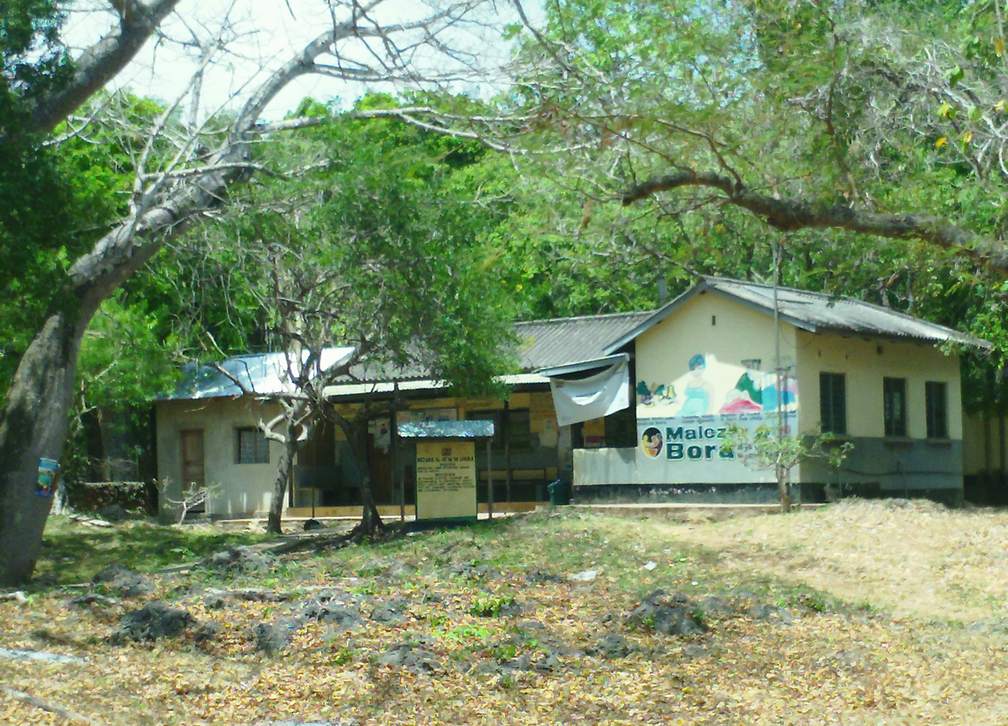
Nationwide SHA field compliance drive
The Social Health Authority (SHA) Chief Executive Officer, Dr Mercy Mwangangi, announced a nationwide door-to-door and field registration and compliance exercise commencing 16 November 2026, promoting the Lipa SHA Pole Pole instalment option.
Digital Health Agency recruitment and cross-border surveillance
The Digital Health Agency advertised 63 technical vacancies to operationalise digital health systems, while the Ministry of Health maintained active cross-border surveillance protocols.
Impact
Cross-border health surveillance: given Kwale’s busy Lungalunga border post with Tanzania and the coastal tourism traffic in Diani, the heightened national port-of-entry health surveillance and the Digital Health Agency rollouts will directly strengthen local disease preparedness.
Labour and Social Protection
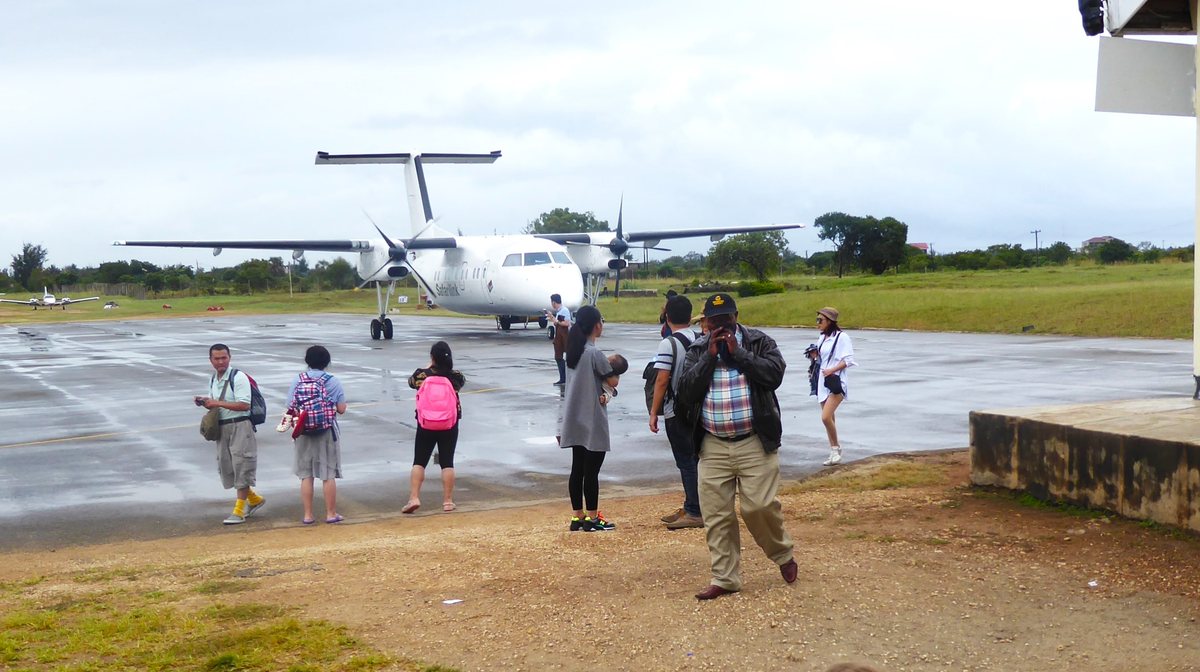
Kenya–Saudi Arabia bilateral labour annex and recruitment fee pilot
On 11 November 2026, the Cabinet Secretary for Labour, Dr Alfred Mutua, signed a technical annex and Letter of Intent with Saudi Arabia in Riyadh, establishing a three-month pilot programme on voluntary, market-competitive recruitment fees for domestic workers.
Impact
Safe labour migration and remittances: youth from Kwale seeking employment in the Gulf States have previously faced exploitation by rogue recruitment agents. The regulated bilateral framework, the capped pilot recruitment fees and formal openings in hospitality and driving provide safer, structured pathways for Kwale jobseekers and support diaspora remittances.
Lands, Public Works, Housing and Urban Development
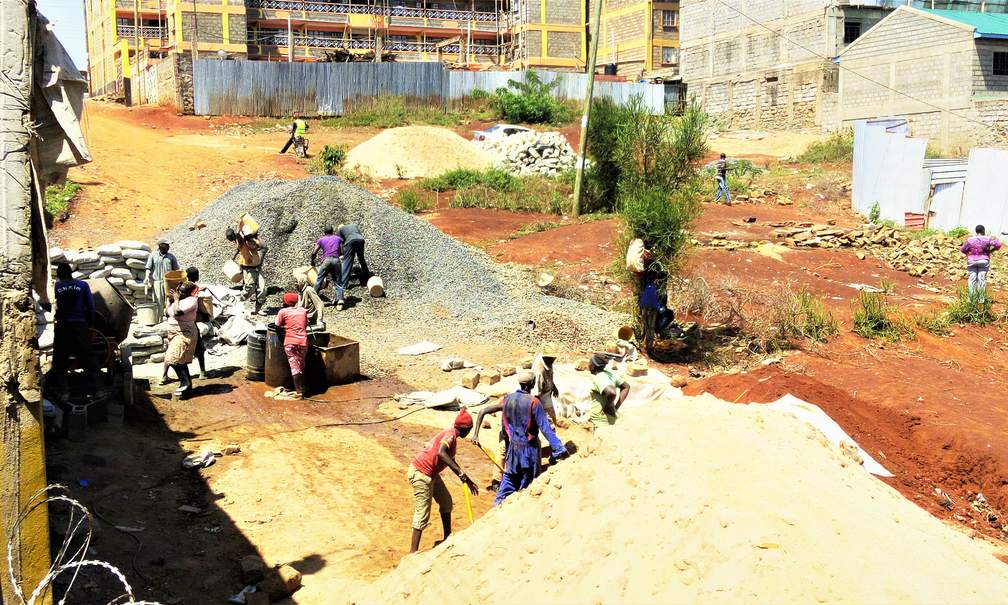
Inspection of the Diani (White House) Affordable Housing Project
On 10 November 2026, Deputy President Kithure Kindiki inspected the ongoing Diani (White House) Affordable Housing Project in Msambweni Constituency, Kwale County. The project, listed by the State Department for Housing and Urban Development as ongoing, is designed to provide social, affordable and market-rate housing units. Its planned facilities include access roads, parking, pedestrian walkways, a children’s play area and a wastewater treatment plant.
Impact
Housing provision: the project presents an opportunity to increase the supply of formal housing in Diani and provide residential options for different income groups.
Local economic activity: construction and eventual occupation of the development may create opportunities for local suppliers, contractors and businesses providing goods and services.
Urban infrastructure: the planned roads, pedestrian walkways and wastewater treatment facilities could support more organised residential development and improve the surrounding area’s infrastructure.
Project implementation: the project’s long-term benefits will depend on its completion, the affordability of the units and the delivery of the planned facilities.
Environment and Forestry
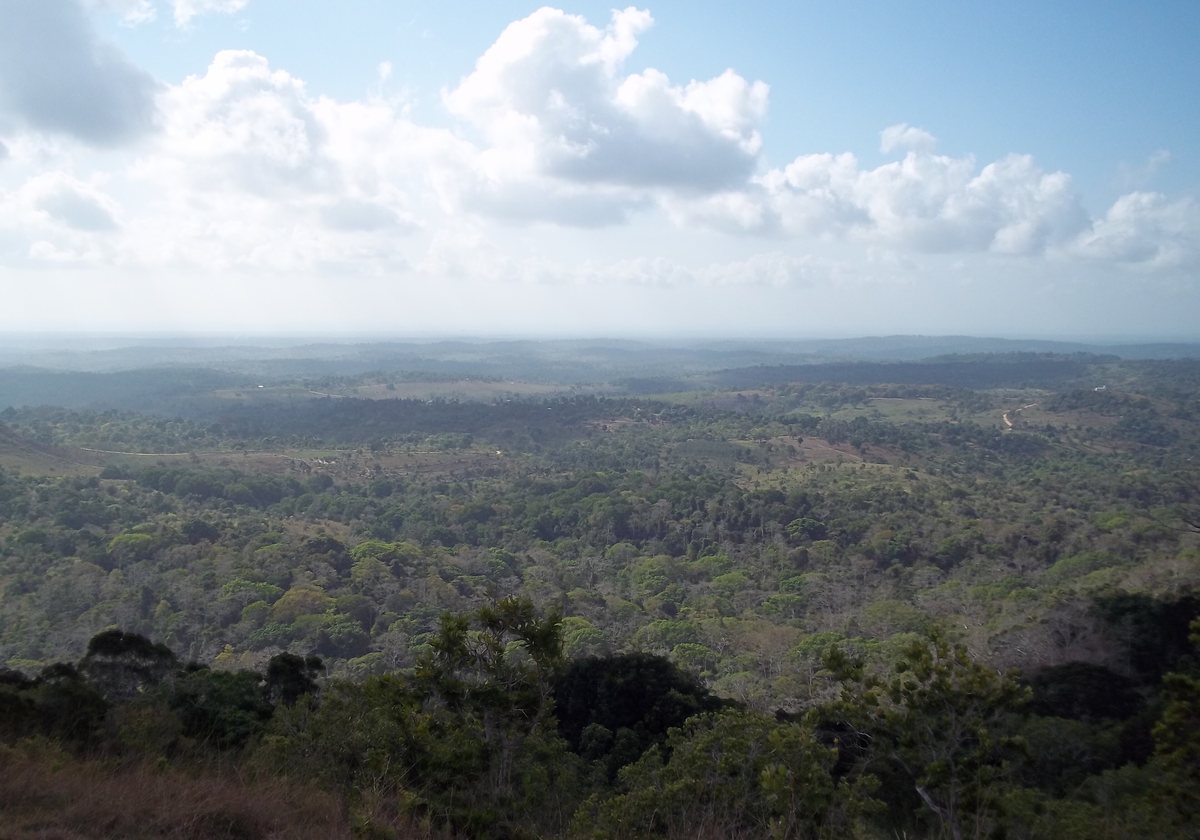
Launch of the KSh 26 billion landscape restoration programme
On 2 November 2026 the National Government launched a five-year, KSh 26 billion project to rehabilitate 500,000 acres of degraded ecosystems and enhance rural livelihoods across 12 counties. The priority landscapes are Marsabit Hills, Marmanet Hills, Nyambene Hills, Chyulu Hills and Shimba Hills.
The key objectives are stronger watershed planning and governance, sustainable land management on private and community land, and sustainable management of gazetted forests.
Impact
Shimba Hills ecosystem restoration: as one of the priority landscapes under this programme, the area will undergo active restoration and sustainable land management. This will help protect critical biodiversity and strengthen coastal water towers.
Questions on any of this week’s developments?
Speak to your MMS Advocates relationship partner, or contact the firm at info@mmsadvocates.co.ke or +254 (0) 748 998 904.
This publication reflects the law and publicly available sources as at the date of publication, which may change and have not been independently verified. Views on policy are the authors’ own. © 2026 MMS Advocates. This publication may be shared in full with attribution, but not altered.