
History, Present State, the Go Blue Project, Legal Frameworks, and Future Outlook
1. Introduction
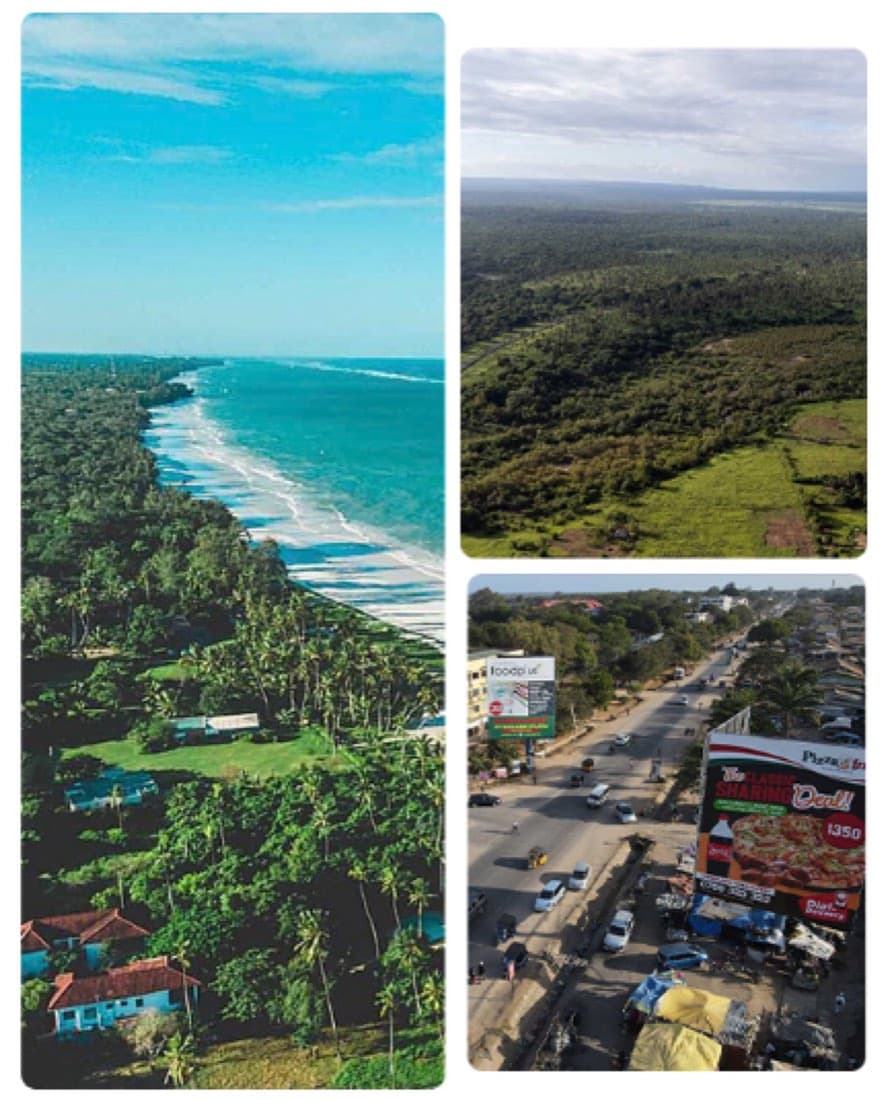
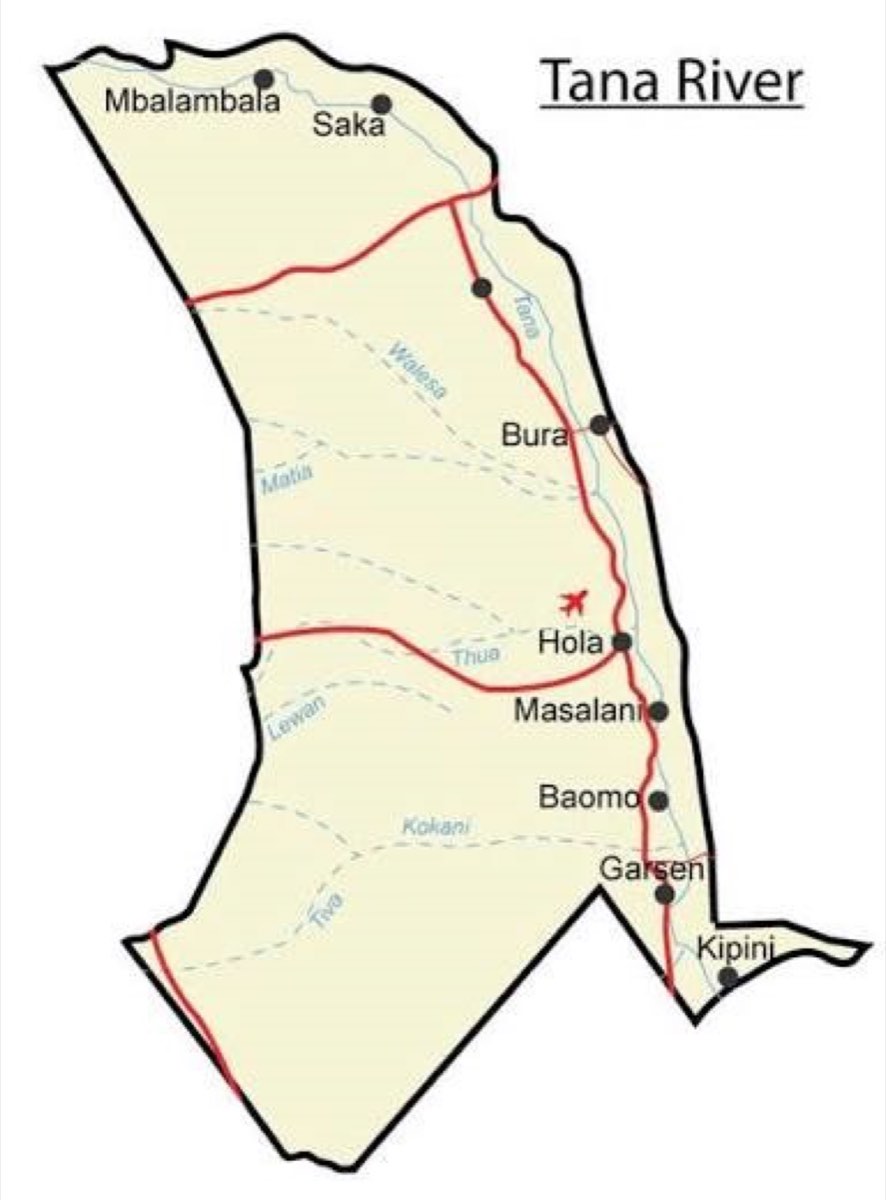
The Blue Economy in Tana River County represents a unique intersection between inland water systems, coastal ecosystems, and socio-economic development. Unlike other coastal counties that are predominantly ocean-facing, Tana River’s Blue Economy is shaped by both its 76 km coastline and the expansive Tana River Delta, one of the most ecologically significant wetland systems in East Africa. This dual identity positions the county as both a marine and freshwater Blue Economy hub, with opportunities spanning fisheries, aquaculture, ecosystem conservation, and climate resilience.
The county’s Blue Economy is still emerging, owing to its historical reliance on pastoralism and subsistence agriculture. Recent national and county-level initiatives, including the European Union-funded Go Blue Project, are increasingly recognising its untapped potential in fisheries, aquaculture, and riverine resource management.
2. Historical Development of the Blue Economy in Tana River
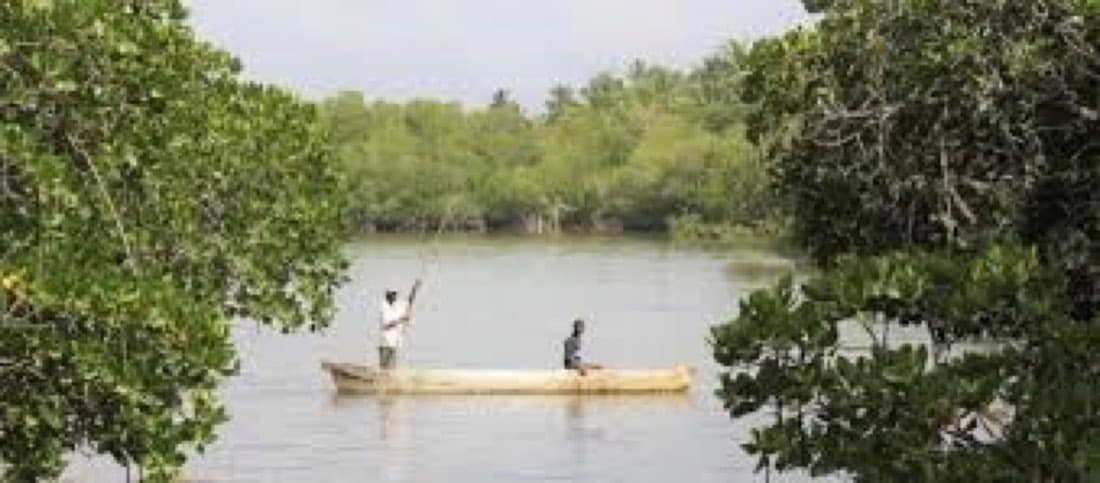
Historically, communities in Tana River County, including the Orma, Pokomo, and Wardei, relied heavily on the river and delta ecosystems for survival, with fishing, floodplain farming, and livestock grazing closely intertwined with seasonal river cycles. Traditional ecological knowledge guided sustainable use of water resources, and the delta ecosystem supported biodiversity that made it a critical ecological and cultural landscape.
During the colonial period, limited investment was directed toward fisheries or marine infrastructure in Tana River, with focus remaining on agricultural production and administrative control. After independence, government interventions continued to prioritise agriculture and irrigation, while fisheries and aquaculture remained peripheral despite fish resources existing in both the river and coastal waters such as Ungwana Bay.
The promulgation of the 2010 Constitution marked a significant shift, devolving fisheries and local economic development functions to county governments. Tana River County began to institutionalise its Blue Economy through its Department of Fisheries, focusing on aquaculture promotion, fisheries regulation, and sustainable resource management, and aligning with national Blue Economy strategies through its County Integrated Development Plans.
3. Present State of the Blue Economy in Tana River
The fisheries sector is primarily concentrated along the Tana River Delta and the coastal waters of Ungwana Bay, supporting both artisanal marine fishing and inland fisheries, with approximately 1,600 fishing households relying on these resources for their livelihoods. Fish species in the region include prawns, tuna, mullets, snappers, and other pelagic and demersal species, making the area one of Kenya’s important yet underutilised fishing zones, though production remains low due to limited infrastructure, inadequate storage, and weak market linkages.
Aquaculture is increasingly promoted as a key growth area, with government programmes supporting the construction of over 900 fish ponds across constituencies under earlier economic stimulus initiatives. The county has allocated significant funding toward aquaculture development to improve food security, create jobs, and reduce pressure on natural fish stocks, although access to quality inputs, technical expertise, and markets continues to limit full-scale commercialisation.
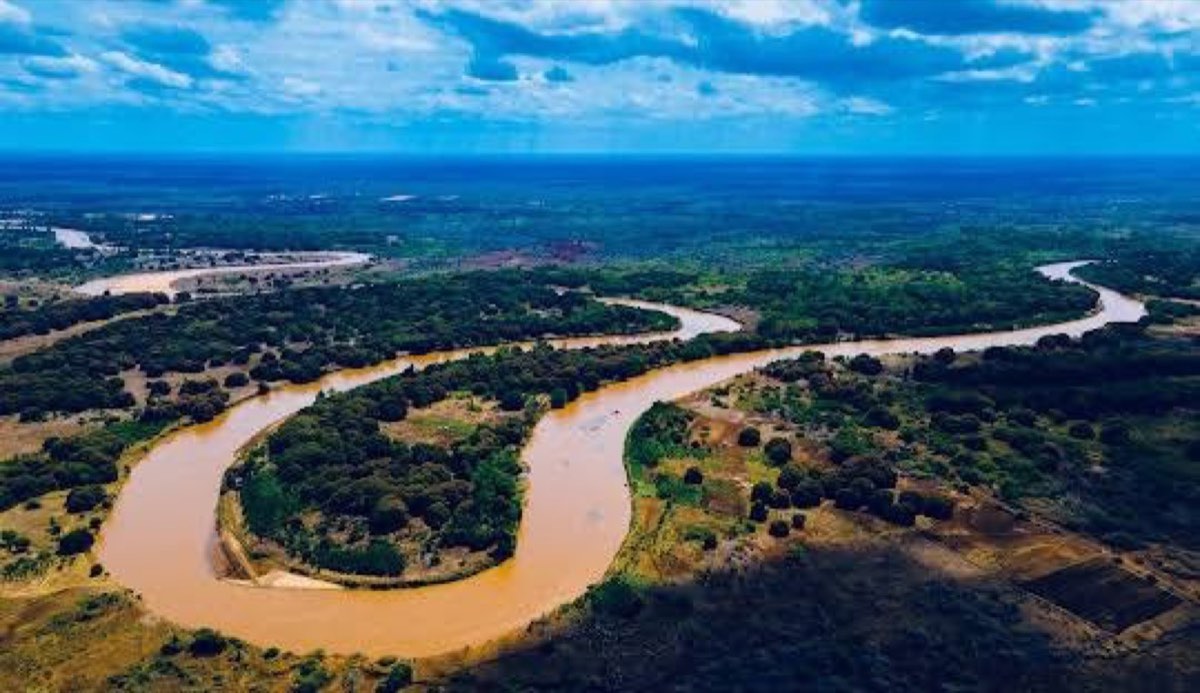
The Tana River Delta plays a central role in the county’s Blue Economy, supporting irrigation, fishing, livestock watering, and biodiversity conservation, while the river itself is a national asset providing water for millions of Kenyans and contributing to hydropower generation. This interconnected system underscores the importance of integrating water resource management with economic development.
4. The Go Blue Project in Tana River County
The Go Blue Project is a joint initiative of the European Union and the Jumuiya ya Kaunti za Pwani (JKP), the regional economic bloc bringing together Kenya’s six coastal counties of Mombasa, Kwale, Kilifi, Tana River, Lamu, and Taita Taveta, implemented over four years, from 2021 to 2024, at a cost of approximately EUR 25 million. The project seeks to advance the Blue Economy agenda across the coastal region by harnessing coastal and marine resources sustainably while creating jobs for over 3,000 youth and women. It is delivered through a joint steering committee and a technical committee comprising agencies from Germany, Italy, Portugal, and France, alongside two United Nations agencies, UN-Habitat and UNEP, each responsible for specific components in collaboration with the county governments, the JKP Secretariat, and national government ministries and agencies.
The project is structured around three main pillars. Go Blue Growth, implemented in part by the Italian Agency for Development Cooperation (AICS), focuses on strengthening fishery and agriculture value chains, including cassava, and supporting the JKP Secretariat, alongside skills development and micro, small, and medium enterprise support. Connecting People, Cities and the Ocean, jointly implemented by UN-Habitat and UNEP at a cost of approximately EUR 7 million, promotes innovative land-sea planning and management, data centre establishment, waste management, urban public space enhancement, and blue carbon initiatives. Go Blue Maritime Security and Safety, implemented by Expertise France, strengthens maritime security governance, search and rescue capacity, and community efforts against illegal, unreported, and unregulated fishing.
In Tana River County specifically, AICS has worked closely with the Kipini Beach Management Unit (BMU), following a scoping mission that identified priority needs among local fisherfolk. Support has included the procurement of information and communication technology equipment and modern fishing gear, along with a revolving fund for the purchase of boats, aimed at improving the productivity of fisherfolk operating out of Kipini. Fisherfolk in the area have also received training in modern fishing methods as part of the capacity development support extended under the project.
Beyond fisheries, the Go Blue Project has supported cultural and eco-tourism initiatives in Tana River County, with local organisations championing the promotion of cultural heritage, biodiversity conservation, and poverty alleviation through cooperative societies engaged in cultural tourism, marketing, and related value chain activities. The county has also participated in the Jumuiya, Agriculture and Blue Economy Investment Conference (JABEIC), a JKP platform for showcasing investment opportunities across the coastal Blue Economy, with Tana River County hosting the fourth edition to highlight its potential in fisheries, agriculture, mining, and tourism.
Although the Go Blue Project formally concluded in 2024, its interventions are intended to be sustained through full integration within county government structures beyond the project timeline, ensuring that the gains made in fisheries infrastructure, community capacity, and cultural tourism in Tana River continue to inform the county’s Blue Economy trajectory.
5. Other Current Developments and Ongoing Projects
In addition to the Go Blue Project, Tana River County continues to benefit from the Kenya Marine Fisheries and Socio-Economic Development (KEMFSED) Project, implemented by the national government with World Bank support. KEMFSED focuses on improving fisheries governance, enhancing livelihoods, and promoting sustainable use of marine and coastal resources across five coastal counties, including Tana River, with targeted support to communities in Garsen Sub-County covering fisher groups, capacity building, and value chain strengthening, with particular attention to vulnerable and marginalised communities.
Youth empowerment initiatives have also expanded participation in fisheries and aquaculture, with over 200 young entrepreneurs supported to engage in Blue Economy ventures, addressing unemployment while strengthening local economies. Research and development efforts led by institutions such as the Kenya Marine and Fisheries Research Institute (KMFRI) are helping to map resources and guide investment in aquaculture and fisheries, efforts considered critical to unlocking the county’s untapped potential.
6. Legal Frameworks and Policy Environment
The Blue Economy in Tana River County operates within a framework of national and county laws designed to promote sustainability, equity, and economic growth. The Fisheries Management and Development Act regulates fishing practices, licensing, and conservation measures, providing the legal foundation for sustainable fisheries management. The Community Land Act is particularly relevant given that much of the land in Tana River, including the delta, is communally owned, governing access, use, and management of land and associated natural resources.
Environmental protection is guided by the Environmental Management and Coordination Act, which requires environmental impact assessments and safeguards ecosystems such as wetlands and mangroves. At the policy level, the county aligns with the national Oceans and Fisheries Policy and participates in initiatives such as Marine Spatial Planning, which balances competing uses of marine resources including fishing, conservation, and transport. County-level governance structures further support implementation through departments responsible for fisheries, livestock, and natural resource management, which oversee aquaculture development, licensing, and enforcement.
7. Challenges Facing the Blue Economy in Tana River
Despite its potential, the Blue Economy in Tana River faces structural and environmental challenges. Infrastructure deficits, particularly in fish landing sites, cold storage, and transport systems, limit market access and value addition, while high poverty levels constrain investment and adoption of modern technologies. Environmental challenges such as flooding, drought, and climate change impacts further complicate resource management, with the fragile Tana River Delta ecosystem particularly vulnerable to degradation. Conflicts over land and water resources have also historically affected the region, underscoring the need for inclusive and conflict-sensitive approaches to Blue Economy development.
8. Future Outlook of the Blue Economy in Tana River
The future of the Blue Economy in Tana River County is promising, with significant opportunities for growth and transformation. Expansion of aquaculture presents one of the most viable pathways for increasing fish production and improving livelihoods, while investment in fish processing, storage, and marketing infrastructure could unlock access to regional and international markets. The county is well positioned to benefit from integrated water resource management, leveraging the Tana River and its delta for irrigation, energy, and ecosystem services, with eco-tourism linked to the delta’s biodiversity offering a further avenue for sustainable development.
The legacy of the Go Blue Project, together with ongoing initiatives such as KEMFSED and Marine Spatial Planning, is expected to strengthen governance, enhance sustainability, and attract further investment. If effectively sustained through county-level integration, these initiatives could transform Tana River into a key Blue Economy hub in Kenya, balancing economic growth with environmental conservation and community empowerment.
Conclusion
The Blue Economy in Tana River County is still in its formative stages but holds immense potential for driving inclusive and sustainable development. With the right mix of policy support, investment, and community engagement, including the continued integration of gains made under the Go Blue Project, the county can transform its riverine and coastal resources into engines of economic growth. The integration of legal frameworks, ongoing projects, and future planning provides a strong foundation for this transformation, positioning Tana River as a critical player in Kenya’s Blue Economy landscape.
Key Resources and Further Reading
Go Blue Project (Jumuiya ya Kaunti za Pwani): https://jumuiya.org/home/service/the-go-blue-project/
Go Blue Project (Nairobi Convention): https://www.nairobiconvention.org/go-blue-project/
Kenya Marine Fisheries and Socio-Economic Development (KEMFSED): https://kemfsed.org/
Tana River County Government: https://tanariver.go.ke/
State Department for Blue Economy and Fisheries: https://www.kilimo.go.ke/