
History, Current Developments, Legal Frameworks, and Future Outlook
1. Introduction
The Blue Economy refers to the sustainable use of ocean and coastal resources for economic growth, improved livelihoods, and ecosystem health. In Kenya, this concept has evolved into a central pillar of national development strategy, reflecting a broader global shift toward sustainable and climate-resilient economic systems. Coastal counties such as Kilifi are at the forefront of this transformation due to their direct interface with the Indian Ocean and the rich marine and coastal ecosystems that underpin their economies.
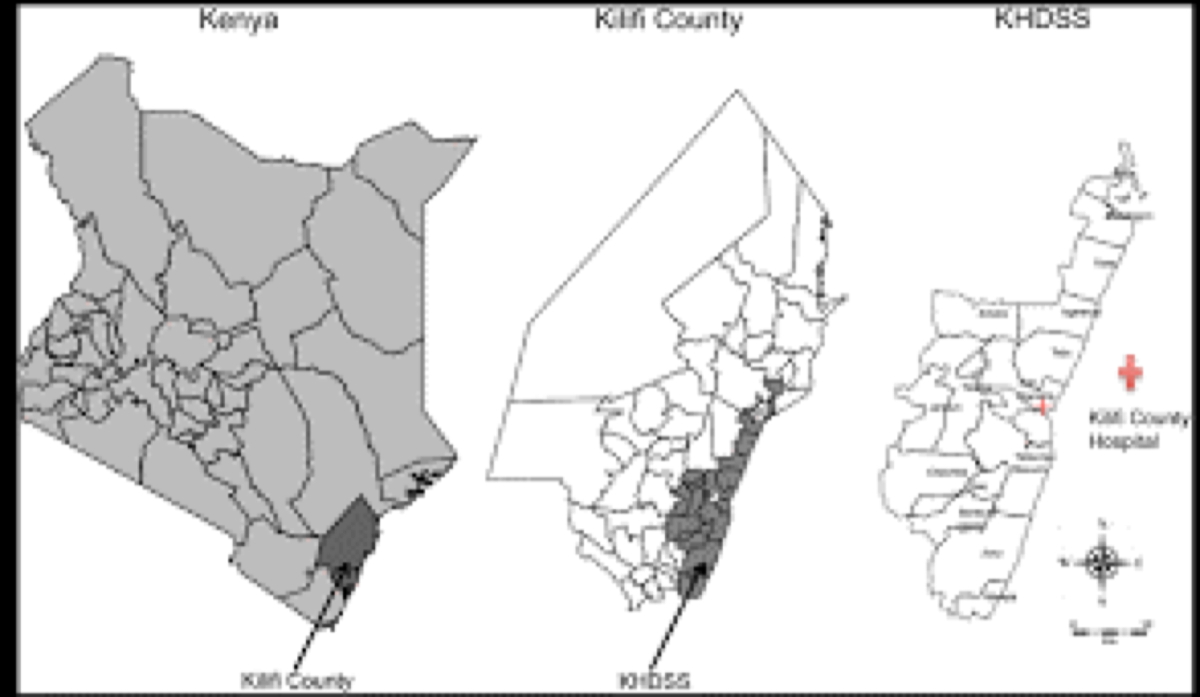
Kilifi County, with over 300 kilometres of coastline, occupies a strategically significant position within Kenya’s Blue Economy framework. Its coastal and marine assets—including coral reefs, mangrove forests, creeks, estuaries, and sandy beaches—support a wide range of economic activities, from fisheries and tourism to emerging sectors such as aquaculture, seaweed farming, and marine biotechnology. These ecosystems not only provide livelihoods for thousands of residents but also contribute to national food security, foreign exchange earnings, and biodiversity conservation.
However, the Blue Economy in Kilifi must be understood not merely as a collection of sectoral activities, but as an integrated system that links economic productivity with environmental sustainability and social inclusion. The county’s fisheries sector, for example, is deeply interconnected with coastal ecosystem health, while tourism depends heavily on the preservation of marine biodiversity and scenic landscapes. This interdependence underscores the need for a holistic and coordinated approach to development.
From an investment perspective, Kilifi presents a compelling opportunity as an emerging Blue Economy hub. The county offers untapped potential across multiple value chains, including fisheries processing, aquaculture expansion, eco-tourism infrastructure, and marine-based renewable energy. At the same time, the growing emphasis on Environmental, Social, and Governance (ESG) principles in global capital markets positions Kilifi as a viable destination for sustainable investment.
The introduction of large-scale programmes such as the Go Blue Project further strengthens this positioning by providing institutional support, capacity building, and financing mechanisms that bridge the gap between policy frameworks and community-level implementation. As such, Kilifi’s Blue Economy is not only a driver of local development but also a critical component of Kenya’s broader ambition to become a regional leader in sustainable ocean-based economies.
2. Historical Development of the Blue Economy in Kilifi
2.1 Pre-Colonial and Early Coastal Trade
The foundations of Kilifi’s Blue Economy date back centuries, rooted in the Swahili-Arab trade networks that connected the East African coast to Asia and the Middle East. Coastal communities, particularly the Mijikenda, maintained strong cultural and economic ties to the ocean. Fishing was primarily a subsistence activity, while coastal trade involved the exchange of goods such as spices, ivory, and textiles. These interactions positioned Kilifi as part of the broader Indian Ocean trade system.
2.2 Colonial and Post-Colonial Period
During the colonial period, fisheries in Kilifi remained largely artisanal, with minimal investment in infrastructure or modernization. Economic development efforts were concentrated in other areas, particularly around Mombasa, leaving Kilifi relatively underdeveloped. After independence, fisheries continued to operate on a small scale, with government policies focusing more heavily on agriculture than marine sectors. As a result, the Blue Economy remained largely untapped despite its significant potential.
2.3 Devolution Era (Post-2010 Constitution)
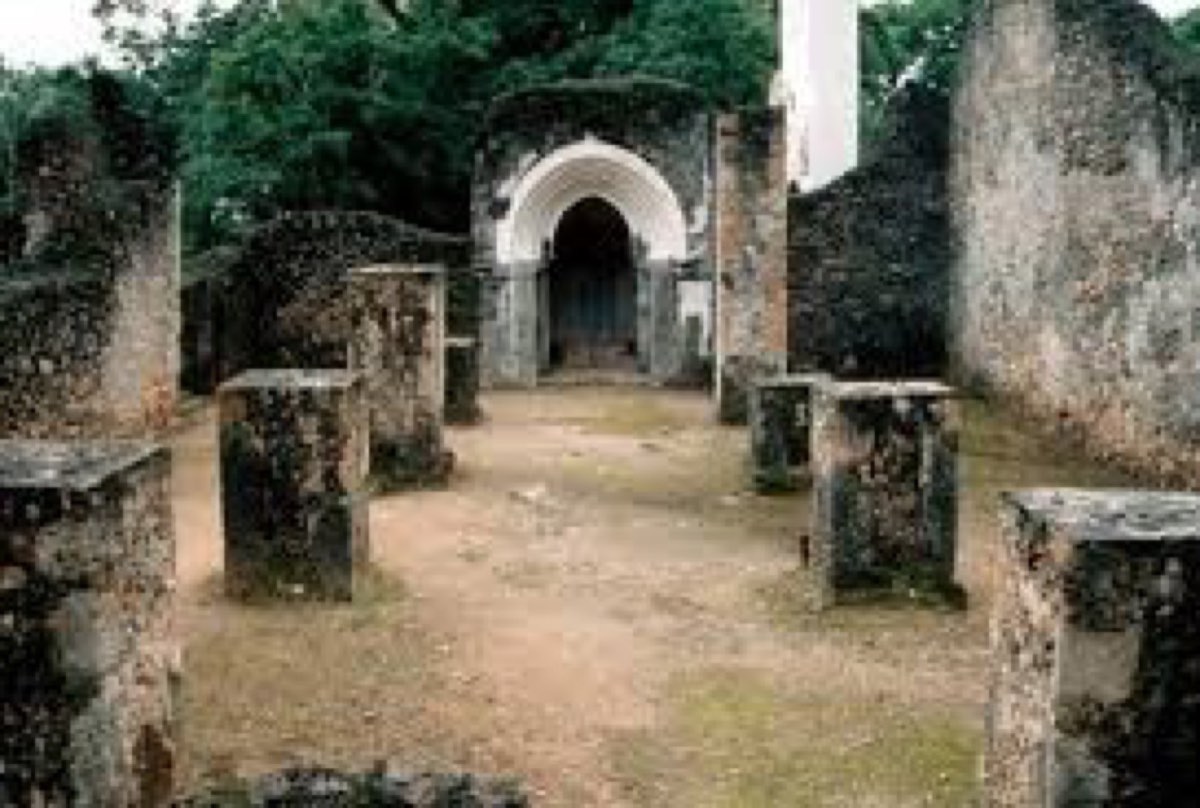
The promulgation of the 2010 Constitution marked a turning point, as devolution transferred significant responsibilities to county governments. Kilifi County established its Department of Agriculture, Livestock and Blue Economy, enabling more localized planning and investment. County Integrated Development Plans (CIDPs) began prioritizing marine resource development, setting the stage for more structured growth of the Blue Economy.
3. Current State of the Blue Economy in Kilifi
3.1 Fisheries and Aquaculture
Fisheries remain the backbone of Kilifi’s Blue Economy, supporting thousands of livelihoods along the coastline. Over 7,000 fishermen operate in the county, contributing to both income generation and food security. Annual fish production reaches approximately 2,885 metric tonnes, valued at over KSh 500 million. However, the sector faces significant challenges, including overdependence on nearshore fishing, limited cold storage and processing facilities, and the prevalence of illegal and unregulated fishing practices.
3.2 Aquaculture and Mariculture
Aquaculture and mariculture remain underdeveloped but present immense potential for growth. Activities such as fish farming, shrimp cultivation, and lobster rearing could significantly boost production if supported by investment in technology, inputs, and training. Expanding this sector would reduce pressure on wild fish stocks while increasing income opportunities for local communities.
3.3 Marine Tourism
Kilifi’s coastline is home to some of Kenya’s most attractive tourist destinations, including Watamu, Malindi, and Kilifi Creek. The region’s beaches, coral reefs, and marine parks make it a prime location for eco-tourism. The success of marine tourism is closely tied to environmental conservation, as healthy ecosystems are essential for sustaining tourist activities and preserving biodiversity.
3.4 Seaweed Farming
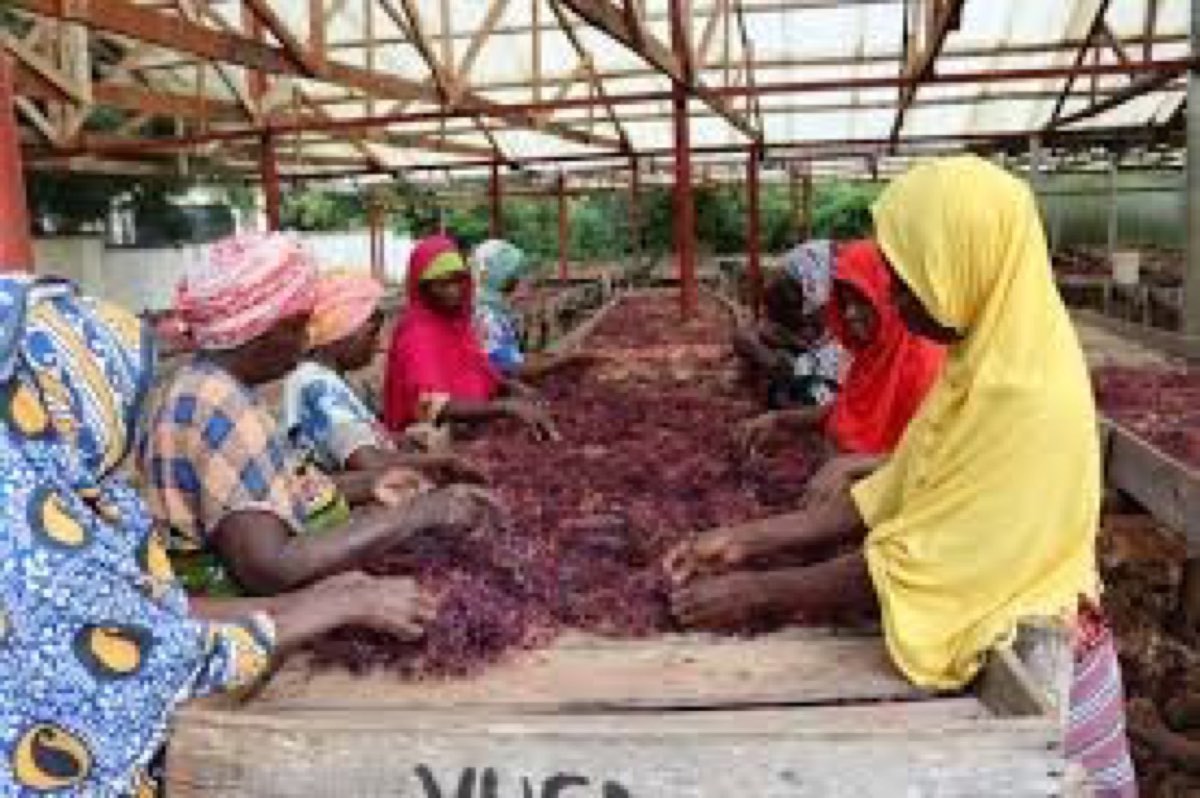
Seaweed farming is an emerging sector with significant promise, driven by growing global demand for seaweed-based products such as food, cosmetics, and biofuels. In Kilifi, this activity offers a unique opportunity for women and youth to participate in income-generating ventures. However, its growth depends on improved technical knowledge, market access, and infrastructure development.
4. Key Blue Economy Projects and Initiatives
4.1 The Go Blue Project: Integrated Coastal Transformation in Kilifi
The Go Blue Project, funded by the European Union and implemented in collaboration with national and county governments, represents one of the most comprehensive and transformative Blue Economy interventions currently shaping Kilifi County. Unlike sector-specific programmes, Go Blue operates as a multi-dimensional framework that integrates economic development, environmental sustainability, and social inclusion into a unified coastal development strategy.
In Kilifi, the project plays a critical bridging role between high-level policy frameworks and community-level implementation. While initiatives such as KEMFSED focus on fisheries productivity and infrastructure, Go Blue ensures that the benefits of these investments are equitably distributed across communities, particularly among women, youth, and informal sector actors.
A central pillar of the project is enterprise development and employment creation. Through targeted training, business incubation, and access to financing, Go Blue has supported the emergence of small and medium enterprises in areas such as aquaculture, eco-tourism, waste management, and marine services. These interventions are gradually transforming the structure of Kilifi’s coastal economy from subsistence-based activities into diversified and commercially viable enterprises.
In the fisheries and aquaculture sectors, the project complements existing programmes by strengthening value chains rather than duplicating infrastructure investments. It promotes improved post-harvest handling, cold-chain awareness, and value addition, enabling fisherfolk to access higher-value markets. At the same time, it actively supports mariculture activities such as seaweed farming and small-scale aquaculture, particularly among women-led groups, thereby diversifying income sources and reducing dependence on nearshore fishing.
The Go Blue Project also plays a pivotal role in advancing circular economy systems within Kilifi’s coastal towns. In areas such as Watamu and Kilifi Creek, community-based waste collection and recycling enterprises supported by the project are addressing marine pollution while simultaneously generating income. This approach links environmental conservation directly to economic incentives, ensuring sustainability is not treated as a separate objective but as a core economic driver.
In addition, the project contributes to climate resilience and ecosystem restoration, particularly through mangrove conservation initiatives. Community-led mangrove restoration in areas such as Mida Creek enhances coastal protection, supports biodiversity, and contributes to carbon sequestration, aligning local interventions with global climate goals.
By strengthening institutional coordination between county departments, national agencies, community organizations, and development partners, the Go Blue Project enhances governance within the Blue Economy sector. Its integrated approach ensures that Kilifi’s Blue Economy development is not only growth-oriented but also inclusive, environmentally sustainable, and resilient.
4.2 Complementary National and Regional Programmes
Beyond the Go Blue Project, Kilifi’s Blue Economy is supported by several complementary national and regional initiatives that collectively strengthen the sector’s development trajectory. Programmes such as the Kenya Marine Fisheries and Socio-Economic Development (KEMFSED) Project focus on enhancing fisheries productivity, improving infrastructure, and strengthening governance systems.
These initiatives provide critical investments in landing sites, cold storage facilities, and institutional capacity, creating an enabling environment for private sector participation. The interaction between Go Blue and these programmes is particularly significant, as it ensures that infrastructure investments are complemented by enterprise development, value chain strengthening, and community engagement.
4.3 County-Led Development Initiatives
Kilifi County Government has also implemented its own Blue Economy initiatives, particularly through its CIDPs and sectoral strategies. These include efforts to modernize fish landing sites, expand aquaculture production, and promote eco-tourism.
The county’s role is crucial in aligning local priorities with national policies and development partner interventions. By providing regulatory oversight and facilitating stakeholder coordination, the county government acts as a central node in the Blue Economy ecosystem.
4.4 Private Sector and Community-Based Initiatives
Private sector actors and community-based organizations play an increasingly important role in Kilifi’s Blue Economy. Investments in hospitality, marine tourism, and aquaculture are expanding, while community cooperatives and Beach Management Units are strengthening local governance and resource management.
These grassroots initiatives are particularly important for ensuring inclusivity and sustainability, as they directly involve communities in economic activities and decision-making processes.
5. Kilifi-Specific Policies and Governance Framework
5.1 County Policy Frameworks and Strategic Planning
Kilifi County’s Blue Economy trajectory is anchored in its County Integrated Development Plans (CIDPs), which serve as the principal instruments for translating national policy into localized development action. These plans prioritise sectors such as fisheries, tourism, infrastructure development, and environmental conservation, all of which intersect within the Blue Economy framework. The CIDPs are complemented by Annual Development Plans and sector-specific strategies, which provide operational detail and budgetary alignment.
What distinguishes Kilifi’s policy approach is the gradual shift from sectoral planning toward integrated coastal zone management. This reflects a growing recognition that fisheries, tourism, and environmental conservation cannot be managed in isolation. Instead, policy frameworks are increasingly designed to promote cross-sectoral coordination, ensuring that economic growth does not undermine ecological sustainability. This integration is particularly important in managing trade-offs between tourism development and ecosystem preservation, as well as balancing artisanal fisheries with commercial interests.
5.2 Institutional Architecture and Stakeholder Coordination
The governance of the Blue Economy in Kilifi is characterised by a multi-layered institutional architecture that includes county departments, national agencies, development partners, and community-based organisations. Key county departments—such as those responsible for fisheries, environment, trade, and tourism—play central roles in policy implementation and service delivery.
However, the multiplicity of actors introduces coordination challenges that can lead to policy fragmentation and inefficiencies. Effective governance therefore depends on the establishment of inter-agency coordination mechanisms, including joint planning forums, technical working groups, and stakeholder platforms. These mechanisms are essential for aligning priorities, sharing information, and ensuring coherent implementation of Blue Economy initiatives.
The role of development partners, particularly through programmes like Go Blue, further adds complexity but also provides opportunities for capacity building and institutional strengthening. By embedding technical expertise within local governance structures, these partnerships can enhance the effectiveness and sustainability of interventions.
5.3 Role of Beach Management Units (BMUs)
Beach Management Units (BMUs) represent a cornerstone of community-based fisheries governance in Kilifi. Established under national fisheries legislation, BMUs are responsible for regulating fishing activities, enforcing conservation measures, and facilitating community participation in resource management.
Their role extends beyond regulation to include conflict resolution, data collection, and capacity building. In many cases, BMUs serve as the primary interface between government authorities and local fishing communities. Strengthening these institutions is therefore critical for achieving sustainable fisheries management and ensuring compliance with regulatory frameworks.
However, BMUs face challenges related to limited financial resources, governance capacity, and enforcement authority. Addressing these constraints requires targeted investments in training, institutional development, and financial sustainability mechanisms.
5.4 Integration of Go Blue into Governance Systems
The Go Blue Project enhances Kilifi’s governance framework by introducing structured approaches to planning, implementation, and monitoring. It supports the development of integrated coastal management plans, strengthens institutional capacity, and facilitates stakeholder coordination.
Importantly, Go Blue acts as a catalyst for policy coherence by aligning county-level initiatives with national strategies and international frameworks. This alignment is critical for attracting investment, as it provides assurance that projects are embedded within a stable and predictable policy environment.
5.5 Data Governance, Monitoring, and Decision Support Systems
An emerging dimension of governance in Kilifi’s Blue Economy is the role of data and information systems. Effective policy implementation requires accurate, timely, and accessible data on fisheries production, environmental conditions, and economic performance.
The integration of digital tools and monitoring systems can enhance decision-making, improve transparency, and support adaptive management. However, significant gaps remain in data collection and analysis, highlighting the need for investment in information systems and technical capacity.
6. Legal Framework Governing the Blue Economy
The Blue Economy in Kilifi is governed by several national legal frameworks. The Community Land Act (2016) regulates community ownership of land, which is particularly important for coastal areas, fisheries landing sites, and community conservancies. The Fisheries Management and Development Act (2016) provides guidelines on fishing practices, licensing, and conservation measures to ensure sustainability. Environmental protection is guided by the Environmental Management and Coordination Act (EMCA), which governs environmental impact assessments and ecosystem conservation. Maritime and shipping laws further regulate marine transport and offshore activities.
6.1 Community Land and Coastal Resource Rights
The Community Land Act provides a legal basis for the recognition and protection of communal land rights, which are particularly relevant in coastal areas where communities depend on shared resources such as beaches, mangroves, and fishing grounds. This legislation empowers communities to participate in decision-making processes and benefit from resource utilisation.
However, the implementation of community land rights is often constrained by issues such as unclear boundaries, limited documentation, and competing claims. Resolving these challenges is essential for ensuring equitable access to resources and preventing conflicts.
6.2 Fisheries and Marine Resource Regulation
The Fisheries Management and Development Act establishes a comprehensive framework for regulating fishing activities, including licensing, gear restrictions, and conservation measures. This framework is designed to prevent overfishing, protect marine biodiversity, and ensure the sustainability of fisheries resources.
In Kilifi, the effectiveness of this legislation depends on enforcement capacity, which is often limited by resource constraints. Strengthening enforcement mechanisms, including surveillance and compliance systems, is therefore critical.
6.3 Environmental Protection and Impact Assessment
Environmental governance is primarily guided by EMCA, which mandates environmental impact assessments (EIAs) for development projects. This requirement is particularly important for tourism infrastructure, aquaculture facilities, and other Blue Economy investments that may have significant environmental impacts.
EIAs serve as a key tool for balancing development with conservation, but their effectiveness depends on rigorous implementation and monitoring. Weak enforcement can undermine environmental safeguards and lead to unsustainable practices.
6.4 Maritime, Shipping, and Coastal Zone Regulations
Maritime laws regulate activities such as shipping, navigation, and offshore operations, ensuring safety and compliance with international standards. While Kilifi does not host a major port, its proximity to regional maritime routes underscores the importance of these regulations.
Coastal zone management regulations further govern land use along the coastline, addressing issues such as erosion, development setbacks, and habitat protection.
6.5 Investment Law, PPPs, and Blue Finance Regulation
The legal framework for investment in the Blue Economy is shaped by the Public Private Partnerships Act, investment promotion laws, and emerging regulations related to sustainable finance. These frameworks provide mechanisms for structuring projects, allocating risks, and ensuring accountability.
The development of Blue Bonds and other innovative financing instruments introduces new legal considerations, including certification standards, reporting requirements, and investor protections. Establishing clear regulatory frameworks for these instruments is essential for attracting capital.
7. Ports and Marine Infrastructure in Kilifi
7.1 Existing Infrastructure and Functional Capacity
Kilifi’s Blue Economy infrastructure is centred around artisanal fish landing sites, including those in Watamu, Kilifi Creek, and Ngomeni; which serve as the primary nodes for fisheries activities. These sites are critical for local livelihoods but often lack modern facilities such as cold storage, processing units, and quality control systems.
The limited capacity of existing infrastructure constrains productivity and reduces the value of fish products, as post-harvest losses remain high.
7.2 Logistics, Cold Chain, and Market Access Systems
A major bottleneck in Kilifi’s Blue Economy is the absence of efficient logistics and cold chain systems. Without adequate storage and transportation infrastructure, fish products cannot be preserved or transported to high-value markets.
Developing integrated cold chain systems is therefore a key priority for enhancing competitiveness and unlocking value across the fisheries value chain.
7.3 Strategic Infrastructure Gaps and Investment Needs
Significant investment is required to upgrade existing facilities and develop new infrastructure, including modern fish ports, processing plants, and transport networks. These investments are essential for scaling up production, improving quality, and accessing export markets.
7.4 PPP Models and Infrastructure Financing
Public-Private Partnerships offer a viable mechanism for financing and developing infrastructure in Kilifi. By leveraging private capital and expertise, PPPs can accelerate project implementation and improve efficiency.
However, successful PPPs require robust legal frameworks, transparent procurement processes, and effective risk allocation mechanisms.
7.5 Integration with Regional Trade and Port Systems
Kilifi’s proximity to major ports such as Mombasa presents opportunities for integration into regional and global trade networks. Enhancing connectivity with these ports can improve market access and attract investment.
8. Benefits of the Blue Economy
Across Kilifi County, the Go Blue Project has facilitated the emergence of community-based enterprise models that integrate sustainability with economic growth. In Watamu, youth-led recycling initiatives supported by the project have created employment while reducing marine litter. In Mida Creek, mangrove restoration activities have been linked to eco-tourism and carbon credit opportunities, providing communities with alternative income streams.
Similarly, women-led seaweed farming groups are scaling production and accessing new markets through capacity-building programmes. These examples illustrate a transition toward a regenerative Blue Economy, where environmental conservation and economic development reinforce each other.
8.1 Economic Benefits
The Blue Economy generates employment opportunities across multiple sectors, including fishing, tourism, and processing industries. It contributes to foreign exchange earnings through exports and supports the growth of small and medium enterprises in coastal areas.
8.2 Community Benefits
The Go Blue Project has had a measurable and multi-layered impact on communities across Kilifi County, particularly in enhancing livelihoods, strengthening resilience, and promoting social inclusion.
At the household level, the project has contributed to increased and more stable incomes by enabling diversification of livelihoods. Through support for aquaculture, seaweed farming, eco-tourism services, and recycling enterprises, households are less dependent on seasonal fishing, reducing vulnerability to environmental and economic shocks.
For women, the project has been particularly transformative. Traditionally marginalized in fisheries value chains, women are now actively engaged in seaweed farming, fish processing, and small-scale enterprises supported by training and financing mechanisms. This has strengthened their economic agency and improved household welfare outcomes, including education and nutrition.
Youth engagement has also significantly improved, with the project creating pathways into the Blue Economy through skills development, entrepreneurship training, and access to startup capital. This has helped address youth unemployment while fostering innovation in sectors such as digital tourism services and waste management.
From an environmental perspective, communities are increasingly participating in conservation efforts as a result of economic incentives tied to sustainability. Waste recycling initiatives reduce pollution, while mangrove restoration provides both ecological and financial benefits. This has led to a shift in community attitudes, where environmental stewardship is now directly linked to income generation.
At the governance level, the project has strengthened community institutions such as Beach Management Units and local cooperatives, enhancing their capacity to manage resources sustainably and engage effectively with government and private sector actors.
8.3 Cultural and Social Benefits
The Blue Economy supports cultural continuity among coastal communities by reinforcing traditional livelihoods and practices linked to the ocean. It strengthens community cohesion and preserves cultural heritage tied to marine environments.
8.4 Benefits of the Blue Economy to the Kayas of Kilifi
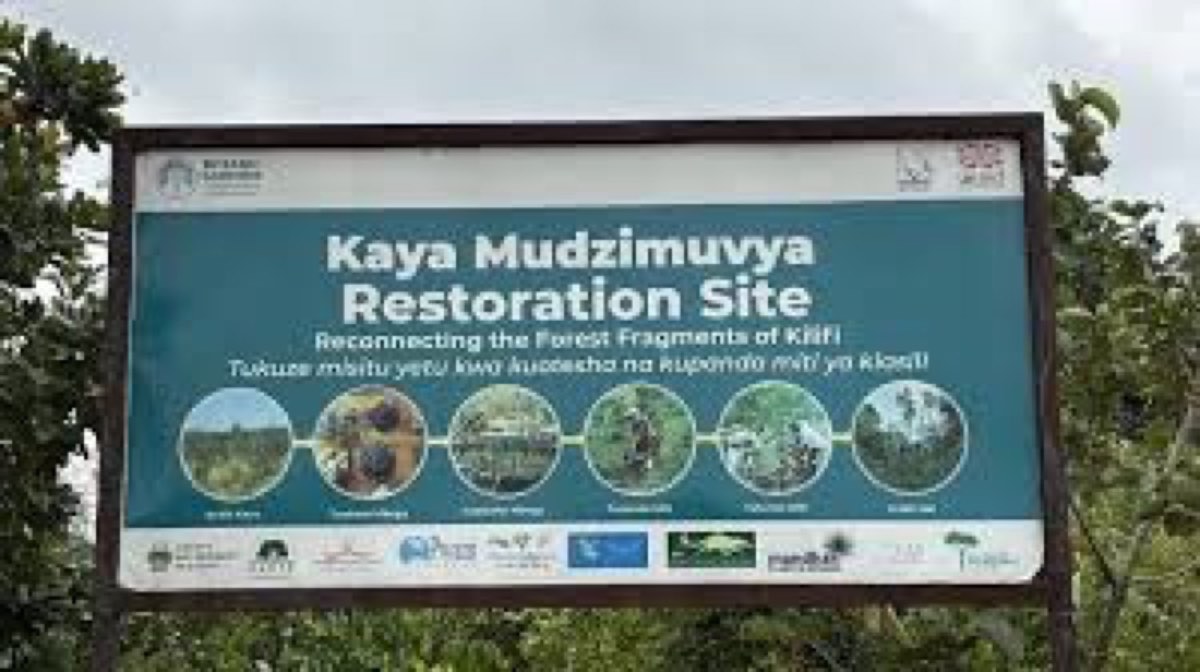
The Kayas—sacred forest sites of the Mijikenda—are culturally and spiritually significant landscapes that also play an important ecological role. The growth of the Blue Economy in Kilifi has direct and indirect benefits for these heritage sites.
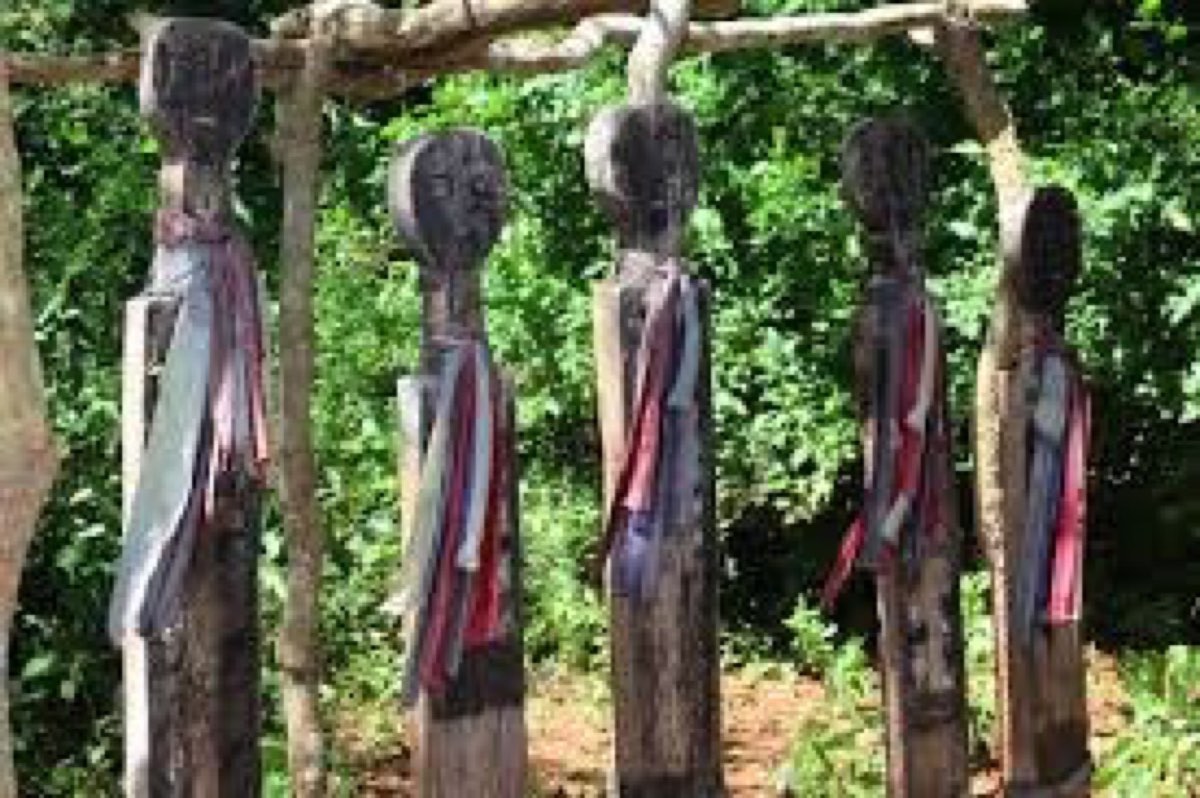
First, sustainable coastal resource management helps protect the broader ecosystems that are interconnected with the Kayas. Healthy marine and coastal environments contribute to stable climatic conditions, which in turn support the biodiversity within these sacred forests.
Second, eco-tourism linked to the Blue Economy creates opportunities to integrate Kaya heritage into cultural tourism circuits. This provides communities with income while promoting conservation of both marine and terrestrial ecosystems. Visitors drawn to beaches and marine parks can also be introduced to Kaya sites, enhancing awareness and appreciation of Mijikenda culture.
Third, Blue Economy initiatives that promote community empowerment—such as fisheries co-management and conservation programmes—strengthen local governance structures that are also responsible for protecting the Kayas. This reinforces traditional stewardship systems.
Finally, sustainable livelihoods generated through fisheries, aquaculture, and tourism reduce pressure on Kaya forests, as communities become less dependent on forest resources for survival. In this way, the Blue Economy contributes to both cultural preservation and environmental sustainability.
9. Challenges Facing the Blue Economy in Kilifi
9.1 Structural and Infrastructure Constraints
Infrastructure deficits continue to limit the efficiency and scalability of Blue Economy activities. Addressing these constraints requires significant investment and coordinated planning.
9.2 Environmental Degradation and Climate Change Impacts
Climate change poses a significant threat to Kilifi’s ecosystems, affecting fisheries, tourism, and coastal infrastructure. Adaptation and resilience strategies are essential for mitigating these impacts.
9.3 Governance Fragmentation and Regulatory Gaps
Fragmented governance structures and weak enforcement of regulations hinder effective resource management. Strengthening institutional capacity and coordination is critical.
9.4 Financial Exclusion and Investment Risks
Limited access to finance and perceived investment risks constrain private sector participation. Innovative financing mechanisms are needed to address these challenges.
9.5 Social Inequality and Capacity Constraints
Socio-economic disparities and limited technical capacity reduce the ability of communities to benefit from the Blue Economy. Targeted interventions are required to address these issues.
10. Future of the Blue Economy in Kilifi
Looking ahead, Kilifi has significant opportunities to expand aquaculture and mariculture, develop modern fish ports and processing facilities, and grow eco-tourism. Seaweed farming also presents a viable avenue for commercialization.
Strategically, the county is positioned to become a regional hub for fisheries and aquaculture, improve its export capacity, and integrate youth into the sector. Strengthening marine conservation efforts will be critical to ensuring long-term sustainability.
The overarching vision is to build a sustainable, inclusive, and economically vibrant coastal economy that balances growth with conservation, empowers local communities, and positions Kenya as a leader in the Blue Economy across Africa.
10.1 Emerging Growth Sectors and Innovation Pathways
Kilifi’s future lies in diversifying its Blue Economy into high-value sectors such as mariculture, marine biotechnology, and renewable energy. These sectors offer significant growth potential and align with global trends.
10.2 Investment Mobilisation and Financial Innovation
Attracting investment will require the development of innovative financing mechanisms, including Blue Bonds, blended finance, and impact investment. These tools can mobilise capital while ensuring sustainability.
10.3 Policy Reform and Institutional Strengthening
Continued policy reform and capacity building are essential for creating an enabling environment for investment and sustainable development.
10.4 Climate Resilience and Sustainability Transition
Building climate resilience is critical for the long-term sustainability of Kilifi’s Blue Economy. This includes investments in ecosystem restoration, infrastructure adaptation, and risk management.
10.5 Positioning Kilifi as a Regional Blue Economy Hub
With strategic investments and policy support, Kilifi has the potential to become a leading hub for Blue Economy activities in the region, contributing to national and regional development.
Conclusion
The Blue Economy in Kilifi County represents a transformative opportunity to align economic growth with environmental sustainability and social inclusion. The integration of initiatives such as the Go Blue Project with national policies and community-level interventions demonstrates the potential for a holistic and inclusive development model.
While significant challenges remain, particularly in infrastructure, governance, and climate resilience, the county is well-positioned to overcome these barriers through strategic investment, policy reform, and stakeholder collaboration. The future of Kilifi’s Blue Economy will depend on its ability to balance growth with conservation, empower local communities, and leverage emerging opportunities in sustainable finance and innovation.
Key Resources and Further Reading
- Kilifi County Investment Portal (Blue Economy):
https://invest.kilifi.go.ke/blue-economy/
- Kenya Marine Fisheries & Socio-Economic Development (KEMFSED):
https://kemfsed.org
- State Department for Blue Economy and Fisheries:
https://www.kilimo.go.ke
- Kilifi County Government:
https://kilifi.go.ke